> **Quick Answer:** The at-fault driver's liability insurance is supposed to cover your towing cost after a crash that wasn't your fault. In practice, you may need to pay out of pocket first, then get reimbursed. If their insurer stalls, your own collision or comprehensive coverage can step in, and you can later recover that cost through subrogation. Keep every receipt.
## Who Is Actually Responsible for Paying My Tow After a Not-at-Fault Accident?
The at-fault driver's property damage liability coverage is responsible. That coverage exists specifically to pay for damage they cause to other people's vehicles and property, and towing is part of that. The catch is that you are dealing with someone else's insurance company, and they have no legal obligation to cut you a check on the spot.
Most liability insurers will reimburse you for a reasonable tow once they accept liability on the claim. "Reasonable" usually means one tow from the scene to a nearby storage yard or shop, not a 200-mile haul to your preferred dealership across the state.
## What Should I Do Right Now at the Scene to Protect My Claim?
Document everything before the tow truck moves your car. Take photos of both vehicles, the road, the damage, and the other driver's insurance card and license plate. Get the responding officer's badge number and the accident report number, you will need both when you call their insurer.
When the tow truck arrives, ask for an itemized receipt showing the company name, date, pickup location, drop-off location, and total charge. A handwritten receipt on a generic form is fine. No receipt means no reimbursement, so do not skip this step. If police called the tow truck and you had no choice in the matter, note that too because some insurers try to dispute police-initiated tows. For more on that dynamic, see [Car Accident on Highway: Do Police Call the Tow Truck or Can You Choose?](/car-accident-on-highway-do-police-call-tow-truck-or-can-i-choose/)
## What If the Other Driver's Insurance Won't Pay or Is Dragging Its Feet?
File through your own insurer first and let them fight it out through subrogation. Subrogation means your insurer pays your claim, then pursues the at-fault driver's insurer to recover that money. You should not be out of pocket while two insurance companies argue.
To use this route you need either collision coverage or, if the tow connects to a non-collision event, comprehensive coverage. If you only carry liability on your own policy, you have no first-party coverage to lean on, and you may need to file in small claims court against the at-fault driver directly if their insurer refuses to pay.
One common sticking point: storage fees. Tow yards charge daily storage, sometimes $50 to $100 per day. Get your car out of storage as fast as possible, because insurers will dispute storage fees that pile up while you wait. Liability insurers in particular often cap reimbursement at a few days of storage even when their own slow claims process caused the delay.
If you have USAA, AAA, or another membership-based roadside plan, check whether it covers accident tows separately from your auto policy. The answer varies by plan. [Does AAA Pa
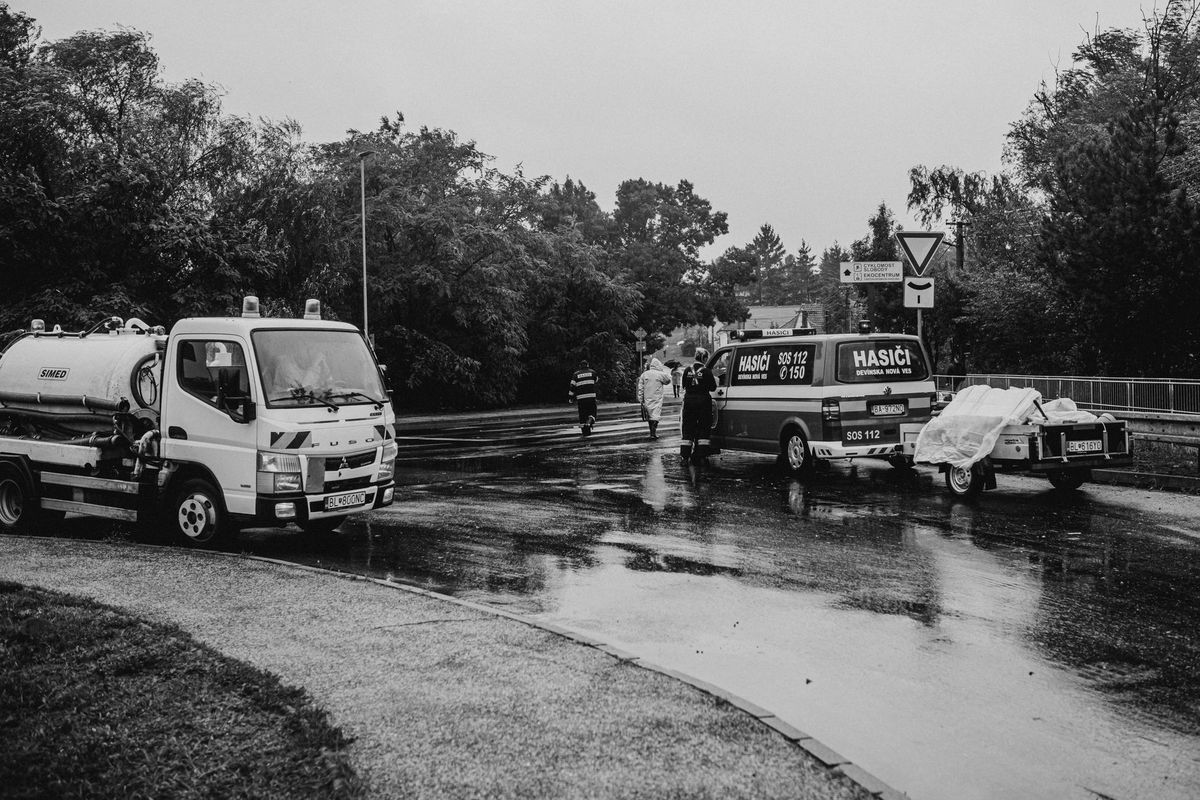
*Photo: Pexels*
y for Towing If Car Is Not Driveable After Crash](/does-aaa-pay-for-towing-if-car-is-not-driveable-after-crash/) breaks that down in detail.
## How Much Should the Tow Actually Cost, and Will Insurance Cover All of It?
A standard local tow from an accident scene runs $100 to $200 for the hookup plus a per-mile rate, typically $3 to $7 per mile depending on your area. A flatbed, which is what most modern vehicles with all-wheel drive or low ground clearance require, costs more than a wheel-lift tow. If your car needs a flatbed and the tow company charges for it, that charge is legitimate and should be covered.
Insurers reimburse "reasonable and customary" rates for your area. If you were charged $400 for a 5-mile tow with no unusual complications, expect pushback. If the rate is in line with what local companies charge, you have a solid case.
Keep in mind that towing cost is part of the property damage liability claim, not the bodily injury claim. They are handled separately, and the property damage side typically moves faster. See [Tow Truck Cost After Accident Not My Fault: Who Pays?](/tow-truck-cost-after-accident-not-my-fault-who-pays/) for a full breakdown of what these charges look like on a real claim.

*Photo: Pexels*
## Common Questions
**Q: Can I choose my own tow truck driver after a not-at-fault accident?**
A: Yes, in most states you have the right to choose your tow company. If police call a rotation tow, you can still request a different company before the truck arrives or arrange a second tow to a shop of your choice. The at-fault insurer is generally obligated to cover a reasonable tow regardless of who you use.
**Q: What if the at-fault driver was uninsured?**
A: File under your own uninsured motorist property damage coverage if you carry it. Not every state requires it and not every driver buys it, so check your declarations page. If you don't have it, small claims court against the driver is often the only remaining path.
**Q: Do I have to pay the tow truck driver at the scene even if it wasn't my fault?**
A: The tow company may require payment upfront regardless of fault. Pay it, get an itemized receipt, and submit it for reimbursement. Refusing to pay can result in your car being held at the yard with fees accumulating.
**Q: Will filing a tow reimbursement claim raise my insurance rates?**
A: Filing against the at-fault driver's policy should not affect your rates at all. If you file through your own collision coverage first, some insurers note a claim on your record even if they later recover the cost through subrogation. Ask your agent before filing which route is cleaner for your specific policy.
**Q: How long does it take to get reimbursed for towing after a not-at-fault accident?**
A: If the at-fault insurer accepts liability quickly, reimbursement can come within one to two weeks. If liability is disputed, it can drag out months. Filing through your own insurer first and letting subrogation handle recovery is usually the faster path to getting your money back.
---
*Need roadside help? Visit [Tow With The Flow](https://towwiththeflow.com/who-pays-towing-costs-after-not-at-fault-accident/) for real answers when your car breaks down.*
Who Pays Towing Costs After a Not at Fault Accident
Photo: Pexels