Your car just died and your phone is dead, lost, or has no signal. Here is what to do right now.
> **Quick Answer:** Pull as far off the road as possible, turn on your hazard lights, and raise your hood. Stay with your car or walk to the nearest emergency call box or business. On an interstate, blue Emergency Call Box signs appear roughly every mile. Do not try to walk along a high-speed highway. Your goal is to get a person to call on your behalf, whether that is a passing motorist, a business, or a highway patrol officer.
---
## What Are My First Moves the Second the Car Stops?
Get the car off the travel lane immediately. Every second the car sits in or near moving traffic is a real danger. Steer to the right shoulder, a parking lot, or a side road. If the car is rolling on a flat tire, keep rolling slowly on the shoulder until you reach a safer spot. A ruined rim is worthless compared to getting hit.
Once stopped: hazards on, parking brake set, all passengers out and behind a barrier like a guardrail if you are on a highway. Pop the hood. A raised hood is the universal signal for a disabled vehicle and will prompt many drivers and law enforcement to stop.
---
## How Do I Signal for Help Without a Phone?
A raised hood and hazard lights are your two most effective signals. Beyond that, use anything visible: a brightly colored piece of clothing tied to the door handle or antenna, a roadside flare if you carry them, or a reflective triangle placed 200 to 300 feet behind the vehicle on the lane side.
On an interstate, orange Emergency Call Boxes are mounted on poles along the shoulder, typically every half mile to one mile depending on the state. California and Texas both have dense networks of these boxes on major freeways. Press the button and you are connected directly to a dispatch operator who can send help. The box transmits your exact location automatically, so you do not need to know the mile marker.
If you are in a town or suburb, lock the car and walk to the nearest gas station, restaurant, or any open business. Ask to use their phone. Most people will let you.
---
## Is It Safe to Wait by the Car or Should I Walk for Help?
On a high-speed highway, stay off the road surface entirely. Get over the guardrail if there is one and wait on the embankment side. Standing on the shoulder of an interstate puts you in serious danger from distracted or drowsy drivers who drift onto the shoulder. The car itself can also get hit, which is why staying behind a barrier matters.
In a rural area with low-speed roads and light traffic, the car is generally the safest place to wait because it is the most visible object. Keep the hazards running. If your battery is dying, turn off everything else and leave only the hazards.
If it is night, staying with the car is almost always the right call on a highway. Walking along a dark roadway is significantly more dangerous than waiting. [Here is more on handling a nighttime breakdown on the highway.](/what-to-do-if-car-breaks-down-on-highway-at-night-alone/)
---
## What Do I Say When I Finally Reach Someone?
Be brief and specific. Tell them your exact location first: the road name or highway number, the direction you were traveling, and the nearest landmark, exit number, or mile marker sign you can see. Then say what happened to the car. Then give your name.
If a passing motorist stops, ask them to call 911 or the state highway patrol and give them your location. You do not need a tow number ri
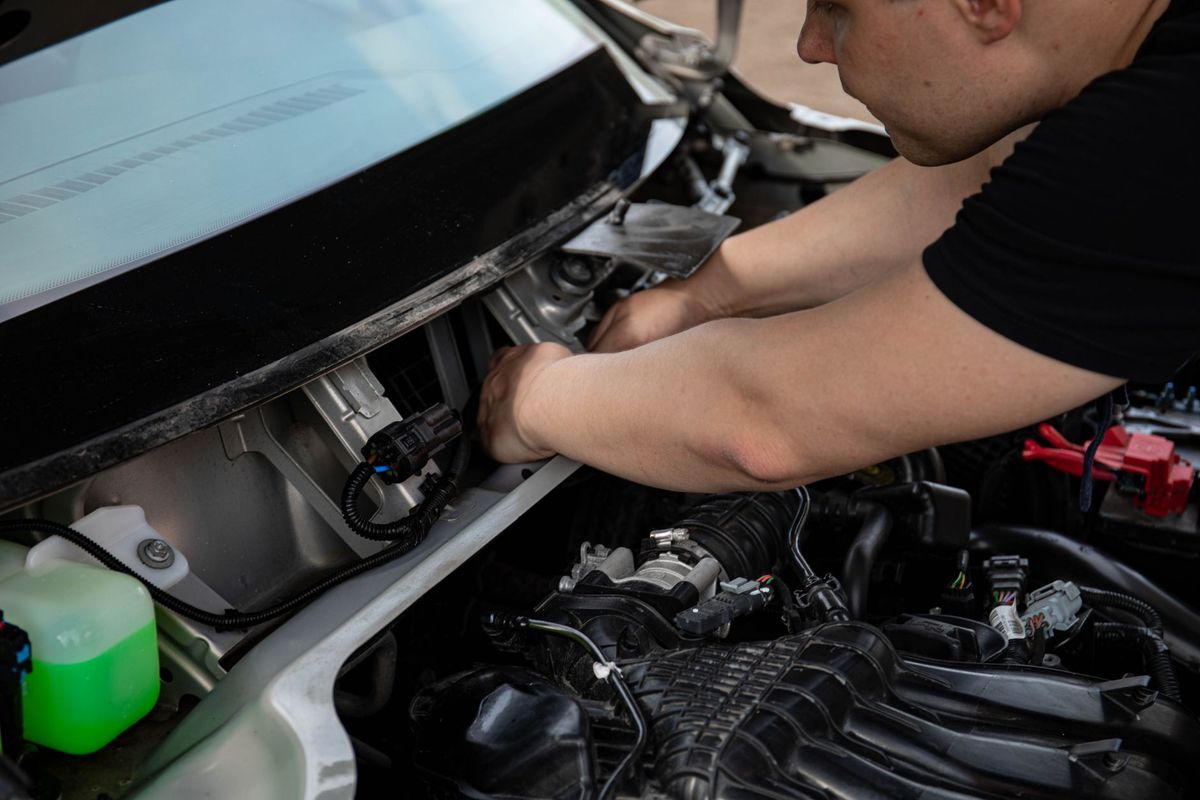
*Photo: Pexels*
ght away. A law enforcement officer can radio for a tow and stay with you until it arrives.
If you reach a business phone, call 911 first. In most states, highway patrol dispatch can connect you to roadside assistance or directly notify a contract tow company for that stretch of road. [Knowing how long a tow truck typically takes to arrive](/how-long-does-it-take-for-a-tow-truck-to-arrive/) can help you set realistic expectations while you wait.
---
## What Should I Keep in My Car So This Is Less of a Crisis Next Time?
A small emergency kit in your trunk changes this situation entirely. At minimum: a battery-powered or hand-crank phone charger (a USB power bank kept charged), two reflective triangles, a few road flares, a bright LED flashlight, and a printed card with your roadside assistance number and your insurance company's claim line. Paper does not run out of battery.
A small notepad and pen are also worth keeping. If you break down in a spot with no landmarks, you can write down the last exit or mile marker you passed before stopping.
If you have AAA or your insurance includes roadside assistance, write the dispatch number on that card right now, before you need it. Your phone being dead is the worst moment to realize you never memorized it. [See how State Farm roadside assistance works](/does-state-farm-roadside-assistance-cover-towing-cost/) if you are not sure what your policy actually covers.
---
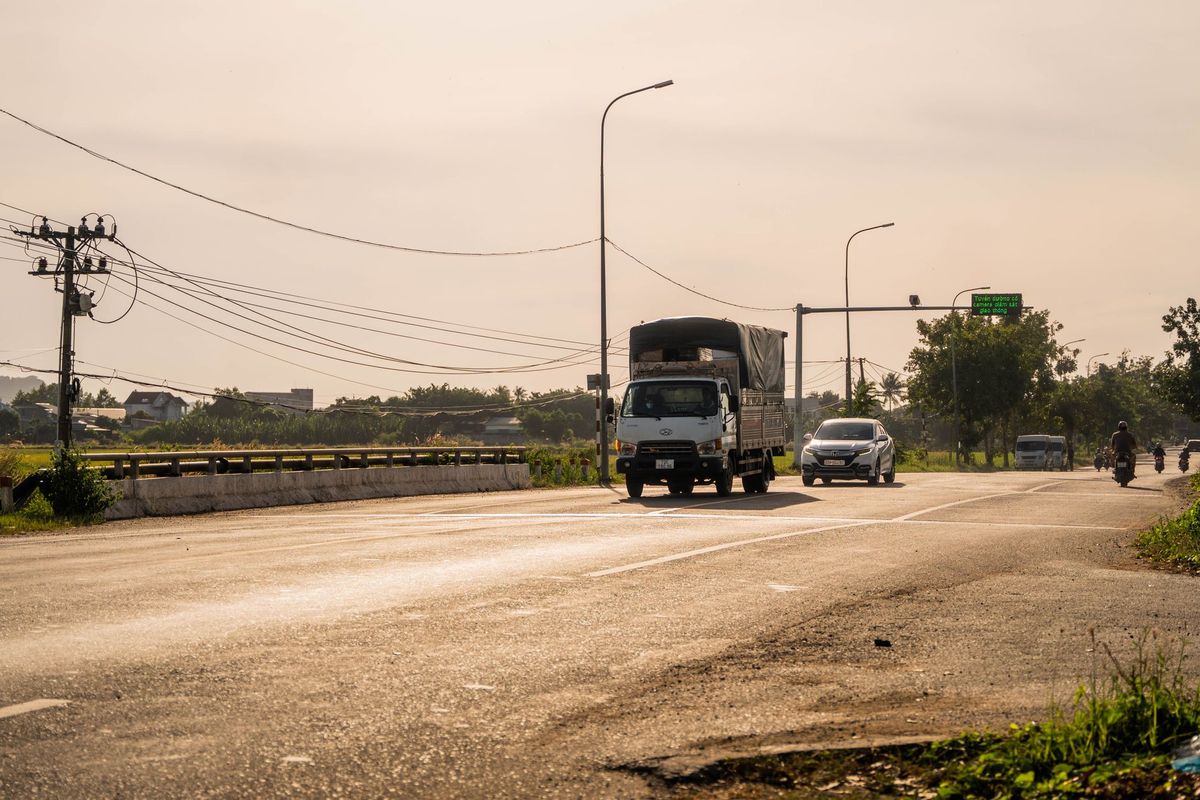
*Photo: Pexels*
## Common Questions
**Q: Can I flag down a police car if my car breaks down with no phone?**
A: Yes, and that is one of the best moves you can make. Officers on patrol routes check disabled vehicles regularly. Stand near your car (not in traffic) and wave clearly. They can radio for a tow and stay until help arrives.
**Q: Are highway emergency call boxes still working?**
A: Most are. State DOTs maintain them specifically for situations like this. California's freeway call boxes, for example, are still active and connect to the CHP dispatch system. Condition varies by state, but they are worth trying before walking anywhere.
**Q: What if my car breaks down in a rural area with no businesses and no call boxes?**
A: Wait with the car if it is daylight and the road gets any traffic. Use every visual signal you have: raised hood, hazards, bright clothing on the antenna. If you decide to walk, go toward the last town you passed, stay off the road surface itself, and face oncoming traffic so drivers can see you.
**Q: Should I accept a ride from a stranger?**
A: Use your judgment. A ride to a gas station a half mile up the road from a family in a minivan is a very different situation from climbing into an unmarked van at midnight. If something feels wrong, decline and wait for the next option. Staying with your car is always a valid choice.
**Q: What if my car breaks down and I have kids with me and no phone?**
A: Get everyone out and behind a guardrail or away from the travel lanes immediately. Kids make you a higher priority to anyone who stops, and most motorists will stop faster when they see children. Flag down the first person you can and ask them to call 911. Your location and the fact that children are present will move you to the top of any dispatch queue. [More guidance on breaking down with kids is here.](/car-broke-down-with-kids-in-the-car-at-night-what-to-do/)
---
*Need roadside help? Visit [Tow With The Flow](https://towwiththeflow.com/what-to-do-if-car-breaks-down-with-no-phone/) for real answers when your car breaks down.*
What to Do If Your Car Breaks Down With No Phone
Photo: Pexels