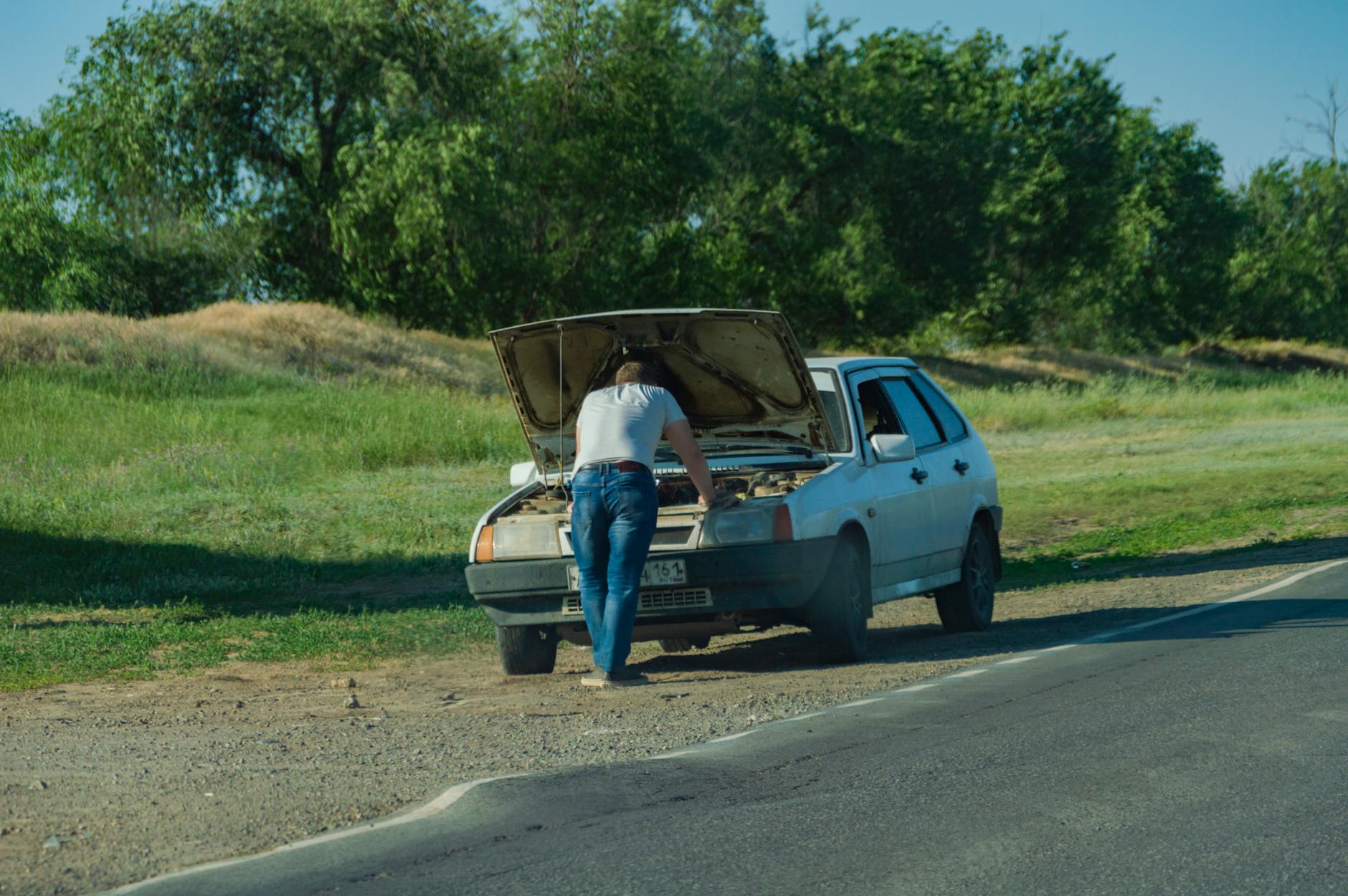
Quick Answer: A slipping transmission shows these symptoms: engine RPMs spike without speed increase, delayed gear engagement, rough or hard shifting, burning smell, and unusual noises during acceleration. Stop driving immediately and get professional diagnosis to prevent total transmission failure.
What To Do
Stop driving safely - Pull over when you notice symptoms. Continued driving damages internal components.
Check transmission fluid - Low or burnt fluid (dark brown/black color, acrid smell) confirms problems. Healthy transmission fluid is bright red or light pink. If it smells like burnt rubber or looks like dark sludge, the fluid has broken down and is no longer protecting internal clutch packs. Check with the engine warm and running in Park, using the dipstick if your vehicle has one. Many newer vehicles have sealed transmissions with no dipstick, so low fluid requires a shop lift and drain plug inspection.
Note specific symptoms - Write down when slipping occurs: during acceleration, at certain speeds, or specific gears. Slipping only in reverse points to a different set of clutch packs than slipping in second gear. That detail cuts diagnostic time and helps a specialist quote you accurately over the phone.
Test in safe area - If you must drive, test shifting from Park to Drive. Delayed engagement (more than 2 seconds) indicates slipping. Normal engagement is nearly instantaneous, under half a second. A 3-4 second delay before the transmission catches means the hydraulic pressure is not holding the clutches together properly.
Call for towing - Don’t attempt to drive to a shop. Slipping transmissions fail quickly under load. Highway driving is especially dangerous because the transmission cycles through gears repeatedly under sustained torque demand. A transmission that slips mildly in a parking lot can fail completely at 65 mph.
Get immediate diagnosis - Find a transmission specialist, not a general mechanic. Time matters with transmission issues. A specialist has a dedicated pressure testing kit and the scan tools to read transmission-specific fault codes that a general shop may not pull. Ask upfront if the diagnostic fee gets credited toward the repair if you proceed.
What The Slipping Actually Means Mechanically
Automatic transmissions use clutch packs, bands, and hydraulic pressure to hold gears in place. When fluid is low or degraded, pressure drops and the clutches slip instead of locking. Every second they slip, they generate heat and wear away friction material. That debris circulates through the fluid and scores valve body components. A $200 fluid flush at the first sign of trouble can prevent that chain reaction. Waiting until the transmission slips consistently almost always means the clutch packs are already damaged beyond a simple fluid fix.
Manual transmissions slip for a different reason: a worn clutch disc loses its friction surface and cannot transfer torque from the flywheel to the input shaft. You will notice RPMs climbing during acceleration while road speed stays flat, especially on hills or when loaded. The clutch pedal may also feel high or have very little engagement travel left.
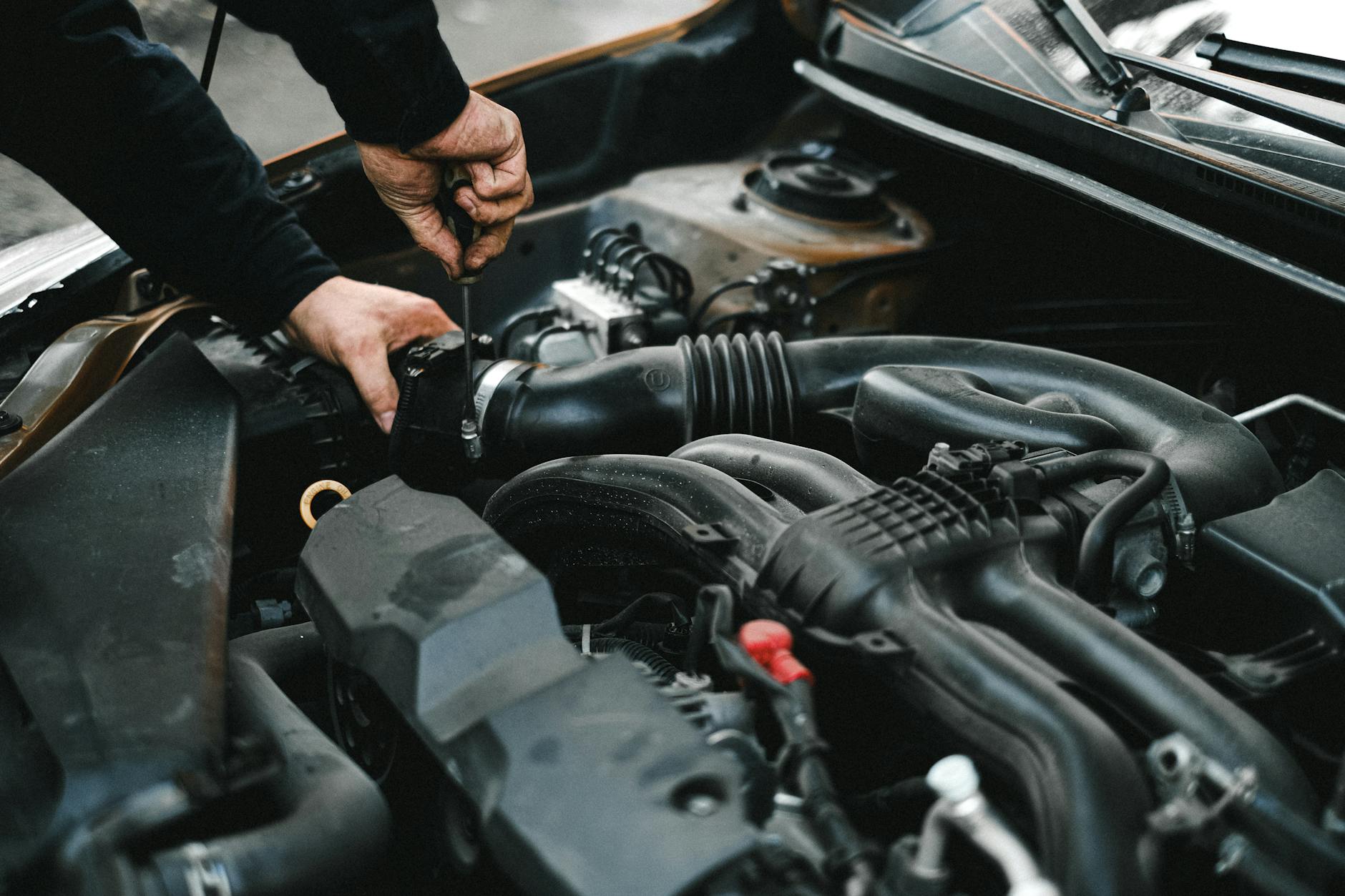 Photo: Pexels
What It Might Cost
- Diagnostic fee: $100-200
- Fluid change/filter: $150-300
- Minor repairs: $300-800
- Rebuild: $2,500-4,000
- Replacement: $3,000-5,000
Early diagnosis saves thousands. Driving with symptoms often turns a $500 repair into a $4,000 rebuild.
Common Questions
Q: Can I add transmission fluid myself to fix the slipping temporarily? A: If the fluid is simply low with no other damage, topping it off can restore pressure and temporarily stop slipping. Use only the exact fluid spec listed in your owner’s manual, since mixing types destroys seals. This is a stopgap, not a fix. Get the system inspected to find out why the fluid was low in the first place.
Q: Is it safe to drive a few miles to the shop if the slipping is minor? A: Technically possible, but every mile increases the damage. Minor slipping can turn into a complete failure with no warning, leaving you stranded mid-route or, worse, in an intersection. If you must move the vehicle, keep speeds under 35 mph, avoid highway ramps, and have roadside assistance on standby. A tow is the safer and usually cheaper choice in the long run.
Q: How do I know if it’s the transmission slipping or just the engine misfiring? A: Rev the engine in Park and watch for RPM spikes without any load. If it revs cleanly, the engine is likely fine. Then put it in Drive on a slight incline and accelerate gently. If RPMs climb but the car barely moves, that confirms the transmission is not transferring power. A misfire typically shows up as rough idle, hesitation, or a check engine light with misfire-specific codes.
 Photo: Pexels
Stay Safe
Never ignore these warning signs. A completely failed transmission leaves you stranded in traffic. Keep your phone charged and know your location when symptoms start. Arrange alternate transportation before your transmission fails completely.
Need roadside help? Visit Tow With The Flow for real answers when your car breaks down.