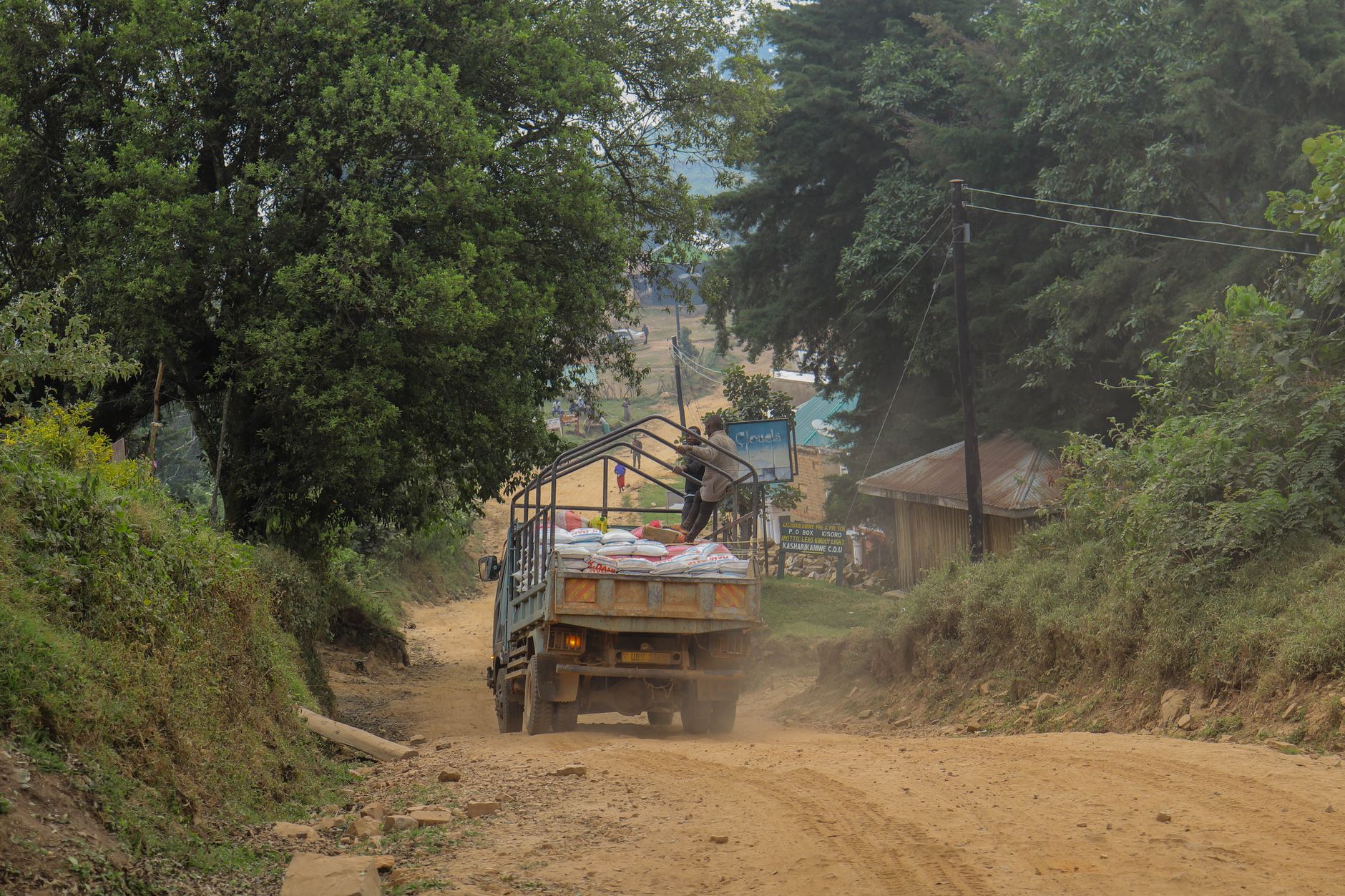
Quick Answer: Towing from Seattle mountain passes costs $200-$500+ depending on your exact location, destination, and conditions. Snoqualmie Pass runs $250-$400 to Seattle. Stevens Pass averages $300-$500. Winter weather, night calls, and difficult access add $50-$200 surcharges. Mountain terrain requires specialized equipment.
What To Do
Get to safety first. Pull completely off the roadway if possible. Mountain passes have narrow shoulders and fast-moving traffic. Even a few feet can be the difference between a dangerous situation and a manageable one. If you can reach a chain-up area or designated pullout, do it.
Call 911 if you’re blocking traffic or in immediate danger. Washington State Patrol coordinates mountain pass responses and knows which tow companies can reach you. On I-90 near Snoqualmie, WSDOT also runs Incident Response trucks that can push disabled vehicles to a safe pullout at no charge, buying you time before a tow arrives.
Check your insurance coverage. Most plans cover 5-15 miles of towing. State Farm roadside assistance towing limits typically provide enough coverage for shorter mountain tows, but a 50-mile haul to Seattle will exceed most basic policies by a wide margin.
Call a tow company that serves mountain passes. Not all Seattle tow trucks handle mountain terrain or carry chains. Ask specifically about mountain pass experience. A flatbed rated for mountain work will have wheel straps, extended boom capability, and tire chains for steep grades. A standard light-duty wrecker is not the right tool for icy switchbacks.
Confirm the destination before they hook up. Towing from Snoqualmie Pass to downtown Seattle is 50+ miles. To the nearest exit might be your cheapest option if your car won’t start but has power. North Bend is the first major town west of Snoqualmie Pass and has repair shops. Cle Elum sits just east. Either can save you $100-$200 compared to a full Seattle run.
Get a written estimate. Mountain towing involves multiple fees. Base rate, mileage, weather surcharges, and hookup fees all add up. Some companies quote a flat mountain rate; others itemize every mile. Know which structure you are agreeing to before the hook goes on.
Stay with your vehicle if it’s safe. Tow trucks on mountain passes sometimes take 45-90 minutes to reach you, especially during peak hours or bad weather. During a winter storm closure on Stevens Pass, waits can stretch past two hours. If temperatures are below freezing, staying inside with the heat running is the right call as long as the exhaust pipe is clear of snow.
 Photo: Pexels
What It Might Cost
Snoqualmie Pass to Seattle: $250-$400
- Base fee: $100-$150
- Mileage (50 miles): $3-$5 per mile
- Mountain surcharge: $50-$100
Stevens Pass to Seattle: $300-$500
- Base fee: $100-$150
- Mileage (65 miles): $3-$5 per mile
- Mountain/difficulty surcharge: $75-$150
Additional surcharges:
- Winter conditions: $50-$150
- After hours (nights/weekends): $25-$100
- Difficult access: $50-$200
- Chain installation required: $50-$100
To nearest exit instead of Seattle: Often 75% less expensive. Consider towing to the nearest mechanic if your car just needs minor repairs.
One scenario worth knowing: if your vehicle has gone off the road surface, even just a few feet into a ditch or snow berm, you move from a standard tow into a recovery situation. Recovery can add $150-$400 on top of normal tow fees because it requires a winch, extra labor, and longer time on scene. Always ask upfront whether the dispatcher is quoting a tow or a recovery.
AWD and 4WD vehicles are not immune to breakdowns on passes. Drivetrain and transmission failures are common in mountainous terrain because those systems work harder on sustained grades. Overheating on the climb up and brake fade on the way down are also frequent culprits that bring drivers to the shoulder.
 Photo: Pexels
Common Questions
Q: Can I just get towed to the nearest exit instead of all the way back to Seattle? A: Yes, and it is almost always cheaper. North Bend (west of Snoqualmie) and Cle Elum (east) both have repair shops that can handle most common breakdowns. A short tow to either town runs roughly $100-$175 versus $250-$400 to Seattle, and a shop there can tell you whether the car is drivable before you commit to a longer haul.
Q: Will my roadside assistance actually cover a mountain pass tow, or will I owe money out of pocket? A: Most basic plans cover 5-15 miles, which covers a tow to the nearest exit but not a 50-65 mile run to Seattle. GEICO roadside assistance towing limits and similar plans often pay a flat dollar amount toward mileage beyond the free limit. Call your provider while you wait for the truck and ask for your exact per-mile reimbursement rate so you know your out-of-pocket number before the tow company arrives.
Q: How long does it actually take for a tow truck to reach Snoqualmie or Stevens Pass? A: On a clear weekday, expect 45-75 minutes from the closest major tow yard. During a winter storm or a pass closure, that stretches to 90-180 minutes, sometimes longer if WSDOT has restricted commercial vehicle access. Call as soon as you know you need help, and give the dispatcher your milepost number, not just the pass name.
Stay Safe
- Turn on hazard lights immediately
- Exit on the uphill side if possible to avoid downhill traffic
- Wear bright clothing if you have it
- Stay inside your vehicle unless you’re in immediate danger
- Keep engine running for heat if the car starts and isn’t overheating
- Pack emergency supplies for mountain driving: blankets, water, snacks, phone charger
- Tell someone your location and estimated arrival time before traveling mountain passes
Mountain passes freeze first and thaw last. GEICO roadside assistance towing limits and other insurance plans often cover enough mileage to get you off the mountain, but confirm your coverage limits before you need them.
Need roadside help? Visit Tow With The Flow for real answers when your car breaks down.