Quick Answer: Without roadside assistance in Seattle, a standard local tow typically runs $100 to $250, with a hookup fee plus a per-mile charge. Expect more at night, on weekends, or on a congested freeway like I-5. Get the total price quoted before the driver hooks up, and ask what the mileage rate is past the first few miles.
How Much Will a Tow Cost Me in Seattle Without Roadside Assistance?
Plan on roughly $100 to $250 for a local tow inside Seattle city limits. That usually breaks down as a hookup fee of about $75 to $125 plus a per-mile rate on top of it. Prices vary by company and are not set by the city, so treat these as ballpark figures, not a rate card.
What pushes you toward the high end:
- Nights, weekends, and holidays
- A flatbed instead of a wheel-lift (see flatbed vs wheel lift pricing in Seattle)
- Heavy rain, which spikes demand across the whole metro
- A tow from a hard-to-reach spot, like a tight garage ramp or a freeway shoulder with no room to work
For a fuller breakdown by tow type, see how much it costs to tow a car in Seattle.
What Should I Do Right Now If I’m Stranded Without Roadside Assistance?
Get safe first, then get a price before you commit. Pull as far onto the shoulder as you can, turn on your hazards, and stay in the car with your belt on if you’re on a freeway.
Then:
- Check your coverage before paying cash. Many drivers have roadside help they forgot about: an auto insurance add-on, a credit card benefit, or a manufacturer plan on a newer car. A two-minute check of your insurance app can save $150.
- Call two or three local tow companies, not just the first search result.
- Ask for the all-in price. Say: “What’s the total, including hookup, mileage, and any after-hours fees?”
- Confirm the destination and the truck type before they dispatch.
- Take a photo of the truck’s company name and plate when it arrives.
If you’re on a freeway, a state patrol trooper may arrive first. Use 511 or the WSDOT app to check conditions, and call 911 if you’re in a live lane or feel unsafe.
What Do I Do If I Break Down on I-5 or I-90 in Seattle?
Stay in the vehicle with your seatbelt on, hazards flashing, and call 911 if you can’t clear the lane. I-5 through downtown, near the Mercer Street weave and the Ship Canal Bridge, has almost no shoulder in places. A stalled car there is a collision waiting to happen.
On I-90, the Mercer Island floating bridge approach and the I-90 tunnel have little room to stop. If your engine is dying, try to coast to the nearest exit or wide pullout rather than stopping in a travel lane.
Don’t stand behind or beside your car on a freeway. If you must get out, exit on the passenger side, move well past the guardrail, and wait there. Highway towing is often priced higher because of the risk
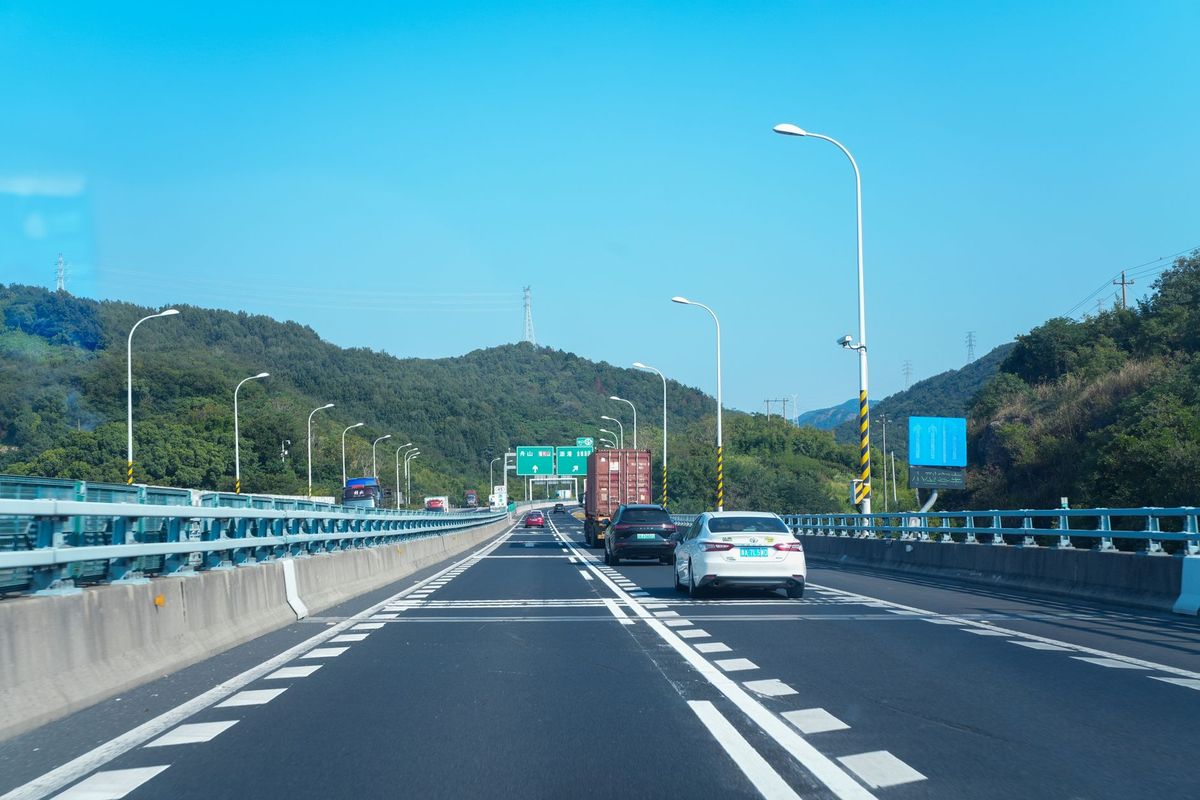 Photo: Pexels
and the time. For more on bridge-related charges, see Seattle bridge toll and towing costs.
How Can I Avoid Getting Overcharged on a Tow in Seattle?
Get the full price in writing or by text before the truck is hooked up. Most overcharges come from vague quotes, not from the base rate.
Watch for these:
- Per-mile surprises. A cheap hookup fee means little if the mileage rate is steep.
- Add-on fees for winching, “after-hours,” or “extra labor” that were never mentioned.
- Drop-off storage fees. If you’re towed to a lot rather than a shop after hours, daily storage can start the next morning.
- Unsolicited trucks. If a tow truck shows up at a breakdown you didn’t call about, don’t accept it. Predatory towing near busy corridors does happen.
Practical tip: pick your destination before you call. Towing to a Seattle-area shop you’ve already chosen beats a lot of guesswork. If you don’t have a shop, a tow to your home driveway costs the same per mile and gives you time to compare repair quotes.
For a no-insurance angle on the same question, see towing cost in Seattle with no insurance.
Is It Worth Buying Roadside Assistance After This?
Yes, if you drive in Seattle regularly. One tow at $150 to $250 often costs more than a full year of basic roadside coverage. Plans from AAA or an insurance add-on typically cover several miles of towing, jump starts, lockouts, and fuel delivery.
Before you buy, check what you already have. Some credit cards and new-car warranties include towing at no extra charge. That’s the cheapest fix of all.
 Photo: Pexels
Common Questions
Q: How much does a tow cost in Seattle at night with no roadside assistance? A: Expect to pay at the high end or above, often $150 to $300, because of after-hours surcharges. Always ask for the total price before dispatch.
Q: Can I use my car insurance for a tow if I don’t have roadside assistance? A: Sometimes. Many policies sell towing as an add-on, and some cover it after a covered accident. Check your policy or app before paying out of pocket.
Q: Will the state patrol tow my car for free on I-5? A: Don’t count on it. They may help you get out of a live lane, but the tow itself is usually paid by you. Ask the responding trooper what to expect.
Q: How long does a tow truck take to arrive in Seattle? A: Often 30 to 60 minutes in normal conditions, longer during rush hour or heavy rain. Ask the dispatcher for an honest estimate when you call.
Q: Is a flatbed or wheel-lift cheaper for a Seattle tow? A: Wheel-lift is often a bit cheaper, but all-wheel-drive and low-clearance cars should go on a flatbed to avoid drivetrain or bumper damage.
Need roadside help? Visit Tow With The Flow for real answers when your car breaks down.