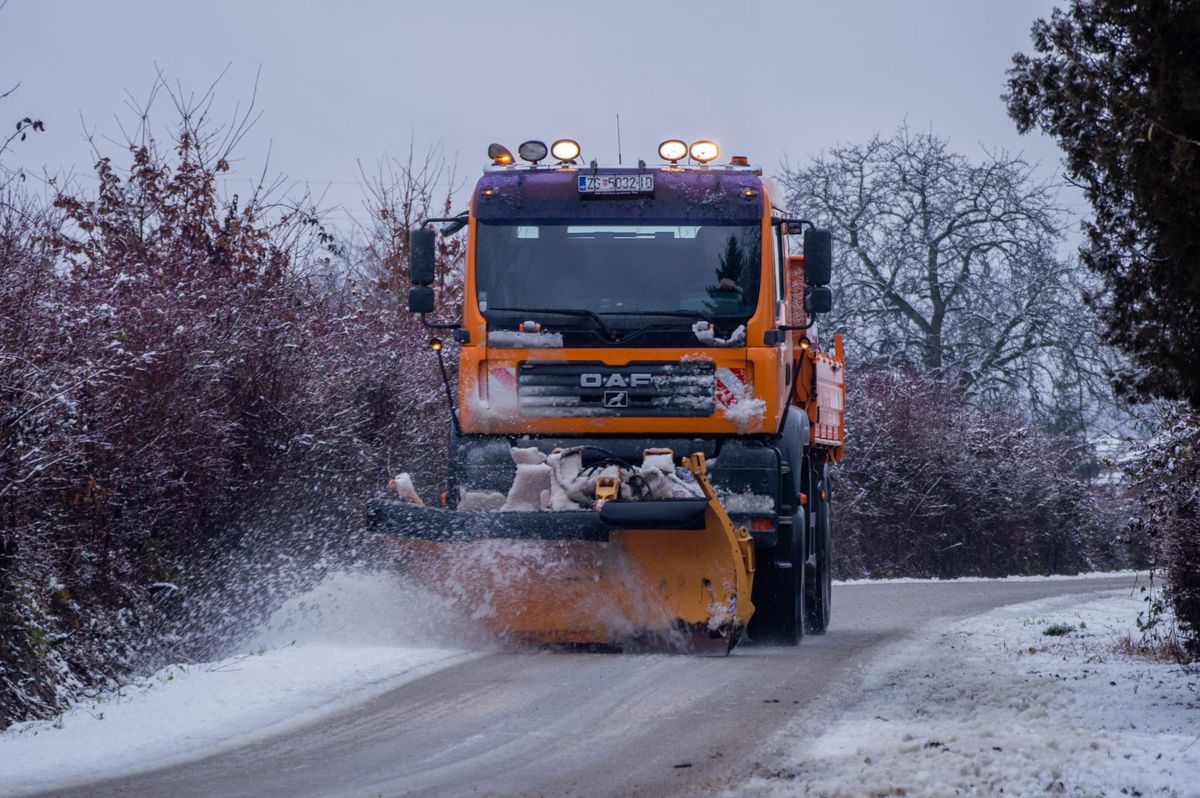
Quick Answer: With no insurance or roadside plan, a local tow in Seattle typically runs $100 to $250 for the hook-up plus the first several miles. Add extra for mileage, nights, weekends, or a tricky recovery. You pay the driver directly, usually by card. Get the full price quoted before the truck is dispatched, and ask what is included.
How Much Will a Tow Cost in Seattle If I Have No Insurance?
Expect $100 to $250 for a standard local tow in Seattle, paid out of pocket. That usually covers a hook-up fee plus a set number of miles, then a per-mile charge after that.
Insurance doesn’t change the price the truck charges. It changes who pays. Without a policy or roadside plan, you pay the full rate yourself, but that rate is the same one an insured driver’s company would be billed.
Seattle runs higher than many cities because of traffic, hills, and tight downtown access. Common add-ons:
- Mileage past the included distance: often a few dollars per mile
- After-hours or weekend surcharge: common between evenings and early morning
- Flatbed vs wheel-lift: flatbeds can cost more, but all-wheel-drive and low cars need them (see flatbed vs wheel lift costs in Seattle)
- Winching or recovery: extra if you’re off the pavement or in a ditch
For a deeper dollar breakdown, see what a tow truck costs in Seattle.
What Should I Do Right Now If I’m Stranded Without Insurance?
Get to safety first, then call two or three tow companies and compare quotes before you commit. Start by pulling as far onto the shoulder as you can, turning on your hazards, and getting everyone out and away from traffic if the shoulder is narrow.
On I-5 through downtown, I-90 on the Mercer Island floating bridge approach, or SR-520 near the bridge, shoulders are tight and traffic is fast. If you can’t safely stand beside the car, call 911 and let them route help. WSDOT’s traffic app and 511 show road conditions if you need to know where it’s safe to wait.
Then work the phone:
- Give your exact location (highway, nearest exit or cross street, direction of travel).
- Say what the car is: make, model, drivetrain, and whether it rolls and steers.
- Ask for the total price, not just the hook-up fee.
- Ask for an estimated arrival time.
- Ask what payment they take.
If the first quote feels high, thank them and call the next one. Ten minutes of calls can save $50 or more.
How Can I Avoid Getting Overcharged on a Seattle Tow?
Get the total in writing or by text before the truck leaves the yard, and never accept a “we’ll figure it out when we get there” answer. Predatory towing is worst when you’re desperate and visibly stranded.
Watch for these:
- A truck that shows up before you called anyone. Unsolicited trucks
 Photo: Pexels
on a highway shoulder are a red flag. Only use a company you contacted or one dispatched through 911.
- A vague price. Ask for hook-up, per-mile rate, and any surcharges.
- Storage fees. If the tow goes to a yard instead of your mechanic, daily storage can pile up fast. Ask where the car is going and what storage costs.
- Cash-only demands with no receipt. Get an itemized receipt every time.
Choose the destination yourself. Towing it straight to your mechanic or home usually costs less than a tow to a yard followed by a second tow later.
What Are My Cheaper Options If I Can’t Afford the Tow?
Ask the shop where you’re headed whether they offer or recommend a tow, because some repair shops have partner trucks at lower rates. Many drivers also overlook a few cheaper routes:
- A jump or fuel delivery costs far less than a tow if your problem is a dead battery or empty tank. A dead battery often just needs a jump, not a tow (see clicking sound: tow or jump start).
- Short distance: if the shop is only a mile or two away, the base rate may cover nearly the whole trip.
- Same-day roadside membership: some memberships can be bought on the spot and cover a tow the same day, but read the waiting period and mileage cap before paying.
Don’t pay for a tow if a quick fix on-site would get you rolling. Ask the dispatcher: “Could this be a jump or a fuel run instead?”
If the wait drags on, you have options. See what to do when a tow truck is taking too long.
 Photo: Pexels
Common Questions
Q: Can I get a tow in Seattle if I have no insurance and no roadside membership? A: Yes. Tow companies take direct payment, usually by card. Insurance only changes who pays, not whether you can get towed.
Q: Is it cheaper to tow my car to a mechanic than to a tow yard? A: Usually, yes. A direct tow to your repair shop or home avoids storage fees and a second tow later.
Q: Do tow trucks in Seattle charge more at night? A: Many do. Evening, overnight, and weekend calls often carry a surcharge, so ask for the total before dispatch.
Q: What if I can’t pay the tow driver on the spot? A: Tell the dispatcher before the truck is sent. Some companies take cards or arrange payment, but a car held at a yard can rack up storage fees quickly, so settle it fast.
Q: Does it cost more to tow a car over a Seattle bridge or hill? A: The truck’s rate is based on distance and service type, not the route itself. Ask whether the quote already includes any extras. See towing costs and bridge tolls in Seattle.
Need roadside help? Visit Tow With The Flow for real answers when your car breaks down.