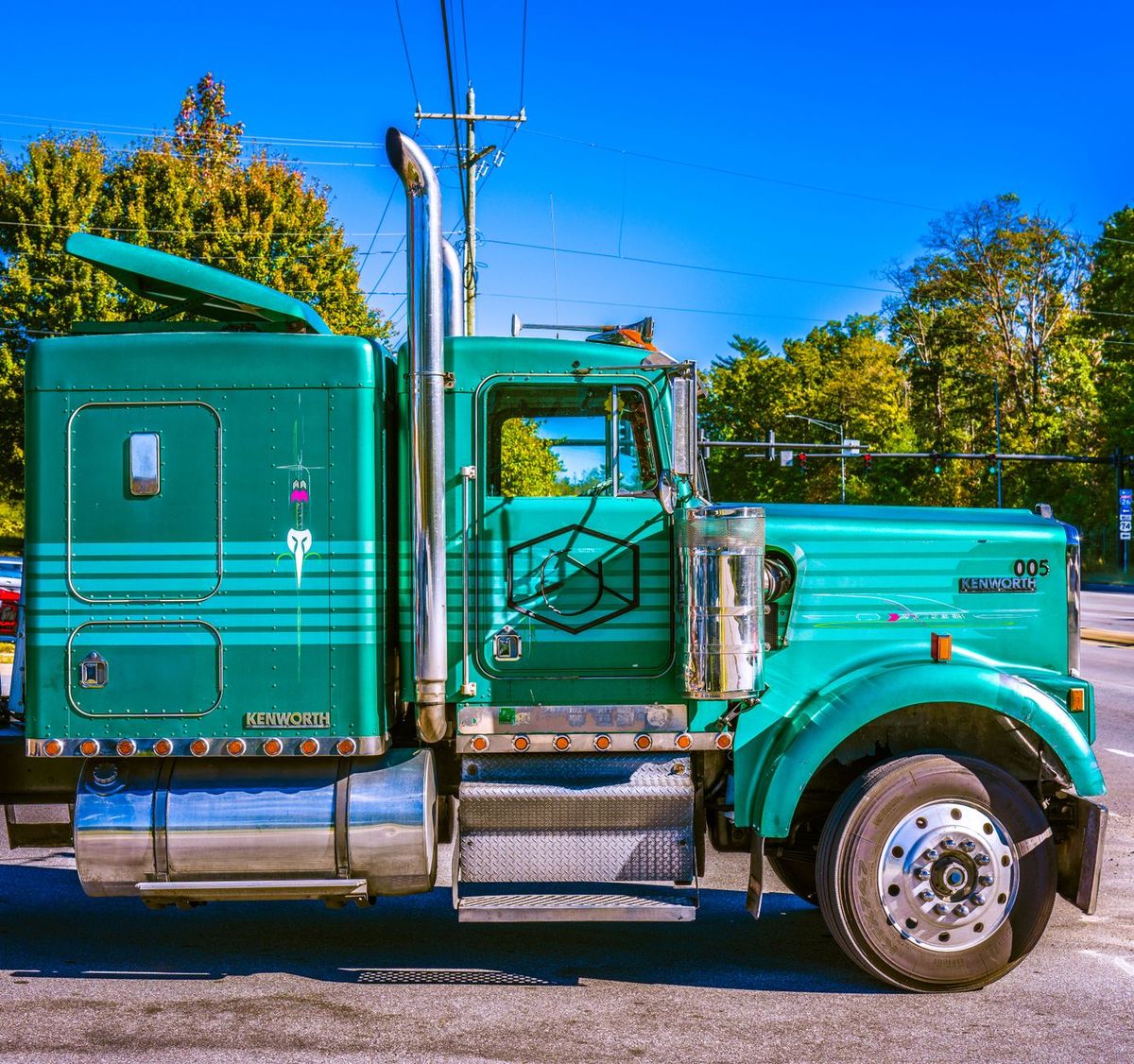
Quick Answer: A flatbed tow in Seattle typically runs $125 to $250 for a short local haul, usually a hook-up fee plus a per-mile rate. Nights, weekends, rain, and heavy I-5 traffic push it higher. Ask for a total price before the truck rolls, confirm it is a true flatbed, and tell the dispatcher your exact location and whether the car is AWD, lowered, or won’t roll.
How Much Does a Flatbed Tow Cost in Seattle Right Now?
Expect roughly $125 to $250 for a local flatbed tow inside Seattle, with the price built from a hook-up fee plus a per-mile charge. These are ballpark figures, not quotes. Companies set their own rates.
Here is what moves the number:
- Hook-up fee: Flatbeds often cost more to dispatch than wheel-lift trucks because the rig is bigger and costs more to run.
- Mileage: Most companies charge per mile after a short included distance. A haul from Capitol Hill to a shop in Ballard is a very different bill than one from Federal Way to Bellevue.
- Time of day: Nights, weekends, and holidays usually carry a surcharge.
- Conditions: Rain, a car in a tight spot, or a winch-out adds time and money.
For deeper breakdowns, see towing cost in Seattle Washington flatbed and the general how much does a tow truck cost in Seattle page.
Do I Actually Need a Flatbed or Will a Wheel-Lift Work?
You need a flatbed if your car is AWD, has a damaged drivetrain, sits low, or won’t roll freely. A wheel-lift lifts two wheels and drags the others, which can damage the wrong car.
Ask for a flatbed if any of these apply:
- AWD or 4WD: Subaru, Audi, and many Toyota and Honda crossovers common around Seattle. Dragging wheels can strain the center differential or transfer case.
- Transmission failure or parking pawl issues: If the car can’t be put in neutral and roll, it goes on the bed.
- Low clearance or a bumper that scrapes: Common on sedans and sports cars.
- Accident damage: Bent wheels, broken axles, or steering damage.
Our flatbed checklist covers the quick test. If you want the price difference, read flatbed vs wheel lift in Seattle.
What Should I Say When I Call a Seattle Tow Company?
Give your exact location, your vehicle, and your destination, then ask for a total price before they dispatch. That one habit prevents most surprise bills.
Have this ready:
- Location: The highway and nearest exit or cross street. “Northbound I-5 just past the Mercer Street exit” beats “somewhere downtown.”
- Vehicle: Year, make, model, and whether it is AWD.
- Condition: Will it start, shift, steer, and roll?
- Destination: Your shop or home, with an address.
- The question: “What’s the total, all-in, including hook-up and mileage?”
Ask for the company name and truck arrival es
 Photo: Pexels
timate. If someone shows up unprompted at a highway breakdown, don’t hand over your keys without agreeing on a price first.
What Do I Do If I’m Stuck on I-5, I-90, or SR 520?
Get as far onto the shoulder as you can, turn on hazards, and stay in the car with your seatbelt on if traffic is close. Highway shoulders in the Seattle area can be narrow, and the stretch of I-5 through downtown and the Ship Canal Bridge leaves almost no room.
On the floating bridges (SR 520 and I-90), shoulders are tight and wind and rain make things worse. If you can exit safely, even to a ramp, do that instead of stopping on the bridge deck. If you can’t move and feel unsafe, call 911. Check 511 for current road conditions and use WSDOT’s traffic app by name to see incidents before you call.
If a toll is involved on 520, our Seattle bridge tolls tow page explains how it can affect the bill.
How Can I Avoid Getting Overcharged on a Seattle Tow?
Get the price in writing or by text before the truck hooks up, and compare it to the ranges above. If a quote is far outside them, call a second company.
Practical moves:
- Ask what’s included: Hook-up, mileage, winching, and after-hours fees.
- Know your coverage: Check your insurance or AAA membership first. Some plans cover a set distance for free. If you have none, see towing cost in Seattle with no roadside assistance.
- Photograph the car before loading, in case of damage claims.
- Keep the receipt with itemized charges.
If a bill looks wrong afterward, here is how to dispute a towing charge.
 Photo: Pexels
Common Questions
Q: How much is a flatbed tow per mile in Seattle? A: Per-mile rates commonly run several dollars per mile after an included distance, and they vary by company. Always ask for the all-in total rather than relying on the per-mile number alone.
Q: Is a flatbed more expensive than a regular tow truck? A: Usually yes, by a modest amount, since the truck costs more to operate. For AWD or damaged cars, the extra cost is worth it to avoid drivetrain damage.
Q: Can I get a flatbed tow in Seattle at night? A: Yes, many companies run 24 hours, but expect an after-hours surcharge. Confirm the total price on the phone before dispatch.
Q: Does insurance cover a flatbed tow in Seattle? A: Many policies with roadside coverage do, up to a mileage or dollar limit. Call your insurer or check your app before paying out of pocket.
Q: How long will a flatbed take to reach me in Seattle? A: It depends on traffic and demand, but heavy rain or rush hour on I-5 can stretch waits well past 30 minutes. Ask the dispatcher for a realistic arrival time.
Need roadside help? Visit Tow With The Flow for real answers when your car breaks down.