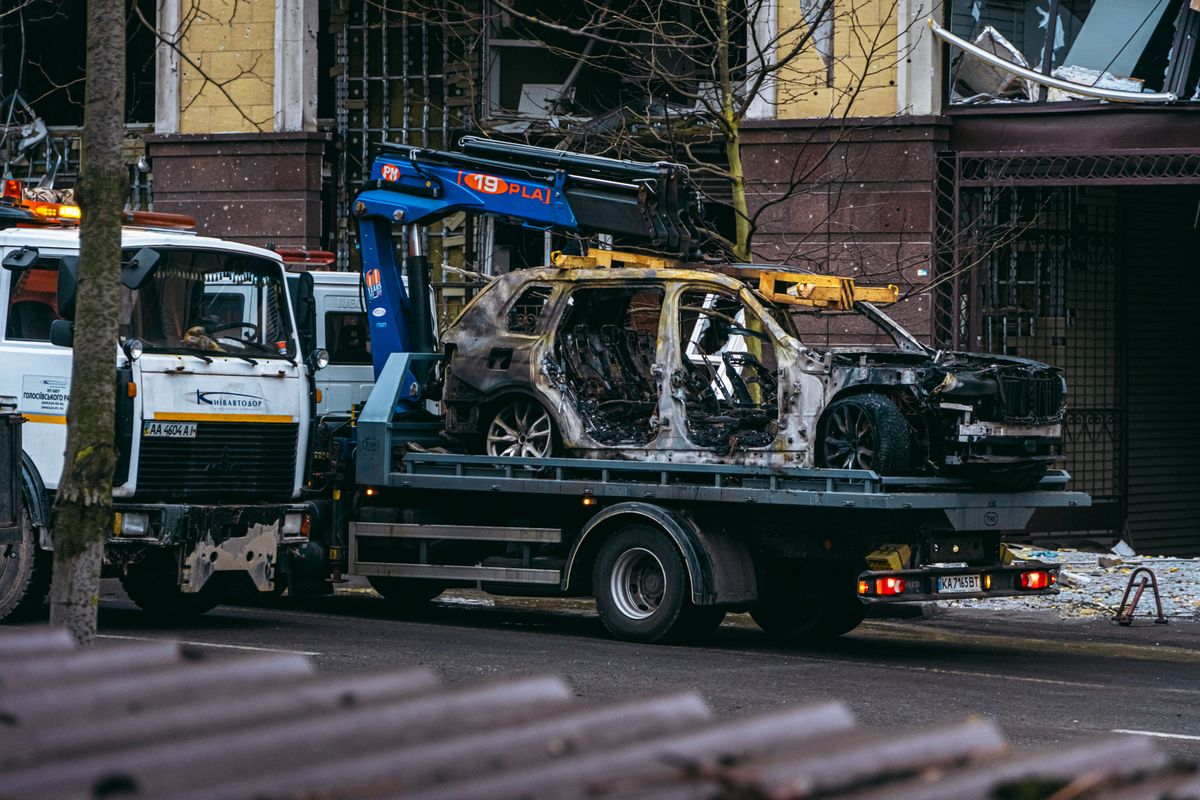
Quick Answer: In Dallas, a hook and chain tow runs $65 to $100 for a local haul. A flatbed runs $95 to $175 for the same distance. Most Dallas operators default to flatbed for passenger vehicles because it causes less damage. If your car has all-wheel drive, is lowered, or has front-wheel drive, insist on a flatbed. Hook and chain is mostly used for junk cars or basic beaters where scratches don’t matter.
How Much Does a Hook and Chain Tow Cost in Dallas Compared to a Flatbed?
A hook and chain tow in Dallas costs $65 to $100 for the first five miles, with a per-mile rate of $3 to $5 after that. A flatbed runs $95 to $175 for the same local haul, with per-mile rates of $4 to $7 beyond the base distance. The price gap is real but not enormous for short pulls. Where it adds up is on longer hauls, say from a breakdown on I-635 near the Skillman interchange all the way to a shop in Garland or Irving.
For a breakdown number, a 15-mile flatbed tow in Dallas typically lands between $145 and $220. The same distance on a hook and chain, if the operator even offers it for your vehicle type, runs $100 to $145.
Hook and chain is a disappearing service in the Dallas market. Most operators have shifted to wheel-lift or flatbed trucks. If a company quotes you a hook and chain rate on a modern car, ask why. It may not be the right tool for your situation.
Which Type of Tow Truck Should I Actually Request in Dallas?
Request a flatbed for any passenger car, SUV, or truck built in the last 20 years. That is the direct answer. Hook and chain wraps chains around the axle or frame and drags the rear end while the front tires roll. On front-wheel drive cars, which covers the majority of sedans on Dallas roads, this means the drive axles and CV joints are spinning under load with no lubrication. That can add hundreds in drivetrain damage to what should have been a simple tow.
Flatbeds load the entire vehicle onto the deck. All four wheels are off the ground. No drivetrain movement. This matters especially if your car broke down because of a transmission failure, a seized engine, or a rear-end collision. All-wheel drive vehicles like a Toyota RAV4 or a Subaru Outback must go on a flatbed. Most manufacturers say so explicitly in the owner’s manual.
Hook and chain is appropriate for: junk vehicles being pulled to a salvage yard, older rear-wheel drive cars where the operator hooks the rear axle and the front wheels roll freely, or recoveries from ditches and embankments where getting the car mobile is step one and a flatbed follows up.
If you break down on I-35E near the Beckley Avenue exit in Oak Cliff, and a hook and chain truck shows up, you can send it back and wait for a flatbed. That is your right.
What Adds to the Towing Bill in Dallas Beyond the Base Rate?
Several things push the final cost above the quoted rate. Knowing them in advance means fewer surprises.
- After-hours fees: Tows between 10 p.m. and 6 a.m. in Dallas often carry a $25 to $50 surcharge. Weekend rates can be similar.
- Highway service fees: A breakdown on LBJ Freeway (I-635) or the High Five interchange at I-635 and I-75 may add a $20 to $40 congestion or access fee because the operator has to navigate controlled traffic or tollway lanes.
- Winching or recovery: If your car went int
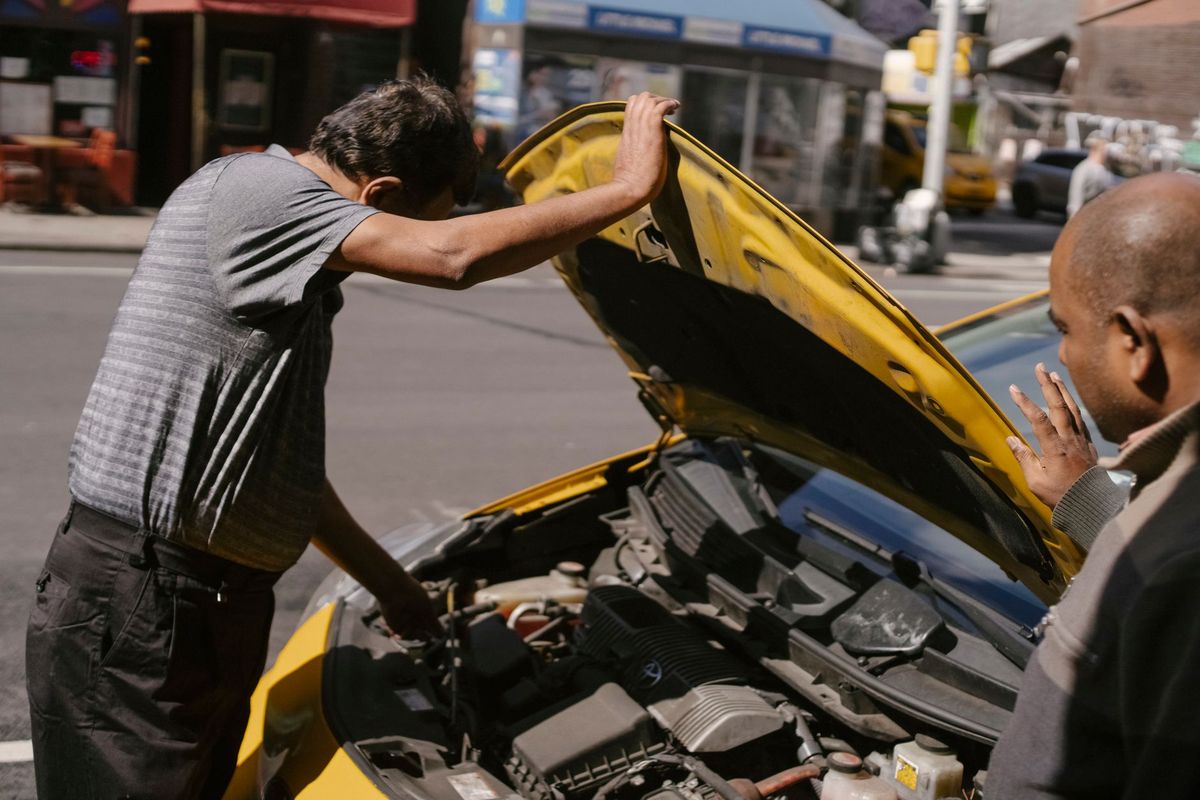 Photo: Pexels
o a ditch off I-30 near Mesquite, that is not a standard tow. Recovery charges run $75 to $150 on top of the tow rate.
Photo: Pexels
o a ditch off I-30 near Mesquite, that is not a standard tow. Recovery charges run $75 to $150 on top of the tow rate. - Storage: If the tow yard closes before you can retrieve the car, storage starts at $35 to $65 per day in Dallas.
- Mileage overages: Always ask what the base mileage includes. Some operators quote $95 but only cover the first 3 miles.
For a full breakdown of what Dallas tows cost across different scenarios, see how much does it cost to tow a car in Dallas Texas.
Does My Insurance or Roadside Plan Cover a Flatbed Specifically?
Most roadside assistance plans cover towing up to a dollar limit or a mileage limit, not a specific truck type. If your plan pays $100 toward a tow and the flatbed costs $130, you pay the $30 difference out of pocket. That is almost always worth it compared to the drivetrain damage a hook and chain can cause on the wrong vehicle.
AAA, for example, covers towing to the nearest qualified shop within your plan’s mileage tier. They do not typically restrict coverage to one truck type, but the reimbursement cap is what it is. If you are uninsured or your policy does not include roadside, see tow truck cost in Dallas Texas with no insurance for what to expect to pay out of pocket.
One practical tip: before the tow truck arrives, take a photo of your car from all four corners. If the driver uses hook and chain against your request and something gets scratched or bent, you have documentation of the condition before the tow.
 Photo: Pexels
Common Questions
Q: Is a flatbed tow truck always better than hook and chain in Dallas? A: For any modern passenger vehicle, yes. Hook and chain can damage the drivetrain on front-wheel or all-wheel drive cars. Flatbeds carry all four wheels off the ground and are the safe default.
Q: How long does it take to get a tow truck in Dallas during rush hour? A: Expect 45 to 90 minutes during peak traffic on corridors like I-35E or US-75. If you are on a managed lane or a tollway, the operator may need a special permit to access your location, which adds time.
Q: Can I negotiate the towing price in Dallas before the truck arrives? A: Yes, and you should. Get the rate, the base mileage, and all fees confirmed over the phone before you agree. Once the truck hooks up, the rate is locked in. Most Dallas operators will quote you clearly if you ask directly.
Q: Will a hook and chain tow void my car’s warranty? A: Potentially, yes, if it causes drivetrain damage. More practically: if you tow a front-wheel or all-wheel drive vehicle incorrectly and bring it to a dealership with damaged CV joints or a transfer case, the cause will be obvious and the repair will be on you.
Q: What if the tow company that shows up uses a different truck than I requested? A: You can refuse the tow and wait for the right equipment. This is especially important if your car is all-wheel drive or was damaged in a rear-end collision. Politely but firmly tell the driver you need a flatbed. If they cannot provide one, call another company.
Need roadside help? Visit Tow With The Flow for real answers when your car breaks down.