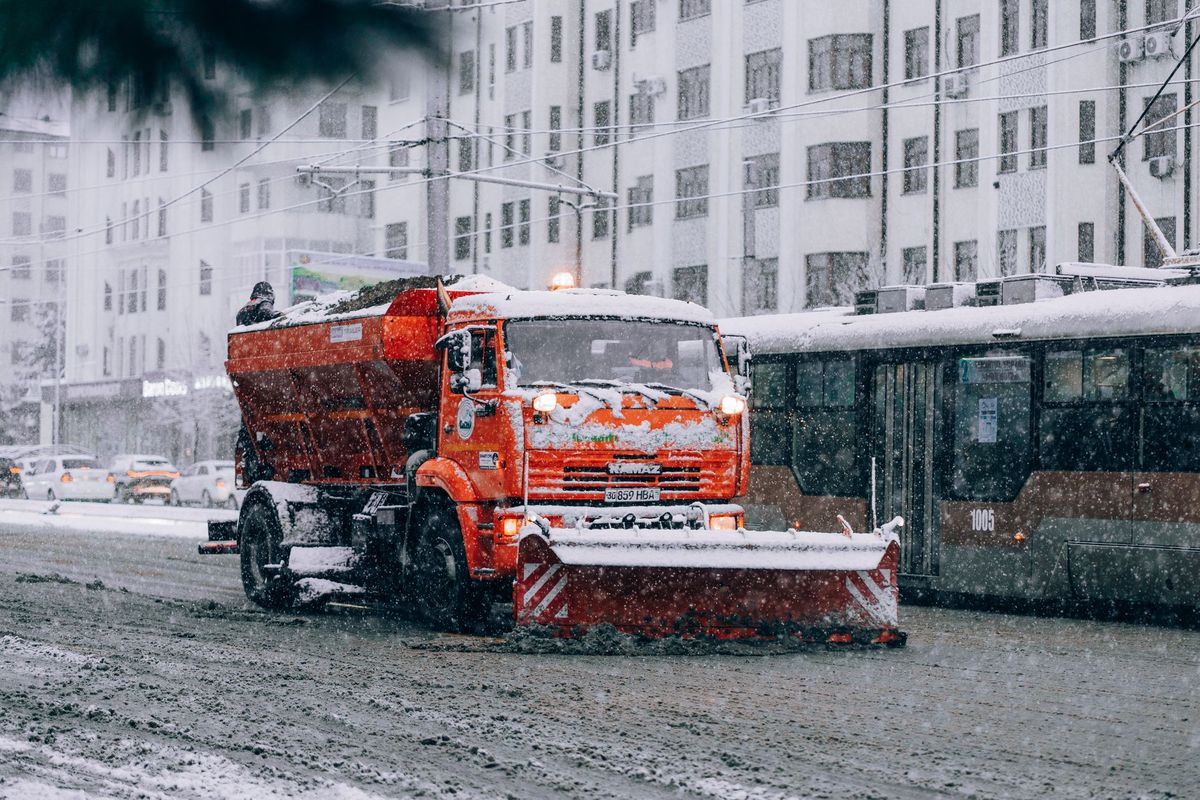
Quick Answer: After a storm in Boston, expect to pay roughly $125 to $250 for a standard tow, and more if you need winching out of a snowbank or flooded street. Demand spikes, so prices rise and waits stretch to hours. Get the total quoted before the truck hooks up, confirm flatbed versus wheel-lift, and take photos of your car before it moves.
How Much Does a Tow Cost in Boston After a Storm?
Plan on roughly $125 to $250 for a basic storm tow inside Boston, versus a lower number on a calm day. Those are typical ranges, not guarantees. Every company sets its own rates.
Here is where the extra money comes from:
- Surge demand. Dozens of cars go dead at once during a nor’easter. Operators charge more because they can.
- Winching or recovery. A car buried in a snowbank on a Dorchester side street or stuck in a flooded underpass needs recovery work before the tow even starts. Expect a separate winching or labor charge, often billed by the half hour.
- Per-mile fees. The hookup fee usually covers the first few miles. Past that, you pay per mile. A tow from Southie to a shop in Quincy adds up faster than one across Allston.
- After-hours rates. Storms hit at night. Overnight and holiday surcharges stack on top.
For the normal-day baseline, see how much it costs to tow a car in Boston.
What Should I Do First If My Car Dies or Gets Stuck in a Storm?
Get to safety first, then call. Turn on your hazards and stay in the car if you’re on a road with traffic.
- Stay put on highways. On I-93, I-90 (the Mass Pike), or Storrow Drive, do not walk the shoulder in low visibility. Plows and spun-out cars are the real danger. Call 911 if you’re in a live lane or can’t be seen.
- Check your tailpipe. If you’re idling for heat in snow, a blocked exhaust can push carbon monoxide into the cabin. Clear it by hand and crack a window.
- Photograph everything. Take timestamped photos of the car, the surroundings, and any existing damage before the truck arrives. Snow-slick hookups cause scrapes, and photos settle disputes.
- Call your coverage first. Check whether your insurer, credit card, or AAA includes towing before you pay out of pocket. GEICO’s roadside limits are a good example of how many free tows you actually get.
- Get the price in writing. Ask for the total, including hookup, mileage, and any winching, by text if possible.
If a car dies in a flooded or enclosed stretch like the Callahan or Sumner tunnels, the rules change. See what to do if your car dies in a tunnel.
Why Is the Tow Truck Taking So Long After a Storm?
Storm waits commonly run one to several hours, because every operator is slammed and trucks are crawling through unplowed streets. A tow that takes 30 minutes on a clear day can take far longer during a nor’easter.
Do not accept “20 minutes” and then sit. Ask for a real ETA and the truck’s location. If the company can’t give you a number, call a second one. You’re allowed to cancel and rebook.
If you’re stuck on a highway shoulder, waiting safely matters more than speed. Read whether it’s safe to wait for a tow on the shoulder and keep your seatbelt on, hazards flashing, and a charged phone. If the wait drags on, [here are your options when a tow truck is taking too long](/tow-tr
 Photo: Pexels
uck-taking-too-long-what-are-my-options-roadside/).
Can My Car Get Towed From the Street During a Snow Emergency?
Yes. When Boston declares a snow emergency, cars parked on designated snow emergency routes can be ticketed and towed, and that tow is separate from a breakdown tow. Signs mark these routes, and the city announces emergencies through its official channels.
This is the costly surprise. A city-directed tow plus the impound lot’s daily storage fee and the ticket can run far higher than a private breakdown tow. Move your car off marked routes before the emergency starts. Some cities open designated lots or garages during declared emergencies, so check the city’s announcements for current options.
If your car is already gone, don’t assume it was stolen. Check with Boston’s official towing information channels first. Never call a number from a random online listing to “locate” your car.
How Do I Avoid Getting Overcharged on a Storm Tow?
Get the all-in price before the hookup, and refuse vague answers. Predatory operators work storms, and a driver on a dark roadside is easy to pressure.
- Ask what’s included: hookup, mileage, winching, fuel, and after-hours fees.
- Insist on a flatbed if your car is all-wheel drive, low to the ground, or has a damaged drivetrain. A wrong lift can wreck a transmission.
- Watch for unsolicited trucks. A tow that shows up without you calling is a red flag.
- Don’t sign a blank invoice. Read the total before you sign or pay.
- Know your destination. Pick the shop or your home address yourself. Don’t let the driver choose the lot.
For a flatbed-specific price range, see flatbed towing cost in Boston. For the full pricing picture, the complete Boston towing cost breakdown covers hookup and per-mile structures.
 Photo: Pexels
Common Questions
Q: Does car insurance cover towing after a storm? A: Only if you carry roadside or towing coverage, or if storm damage is covered under comprehensive and your car is undrivable. Basic liability does not cover it. Check your policy or call your insurer before paying a driver.
Q: Is it cheaper to wait until the storm clears to get towed? A: Often, yes. Demand and surcharges drop once roads reopen. If your car is safely off the road and not blocking anything, waiting can save real money. Never leave it somewhere it could be ticketed or hit.
Q: Why does my tow cost more if I’m stuck in a snowbank? A: Getting the car out is recovery work, billed separately from the tow. Operators charge for winching labor and equipment, usually by time. Dig out what you safely can before they arrive to shorten the job.
Q: Can a tow company hold my car if I dispute the bill? A: A company can hold a car for unpaid, legitimate charges, but only for what’s actually owed. Pay under protest if needed to get the car back, keep your invoice and photos, and dispute it afterward with the company, your card issuer, or the state consumer protection office.
Q: Should I call a tow truck or just wait for a plow to clear me out? A: If you’re blocking the road or in a live lane, call a tow and 911. If you’re parked and just buried, you can often dig out yourself. Never wait in a spot where a plow could hit your car.
Need roadside help? Visit Tow With The Flow for real answers when your car breaks down.