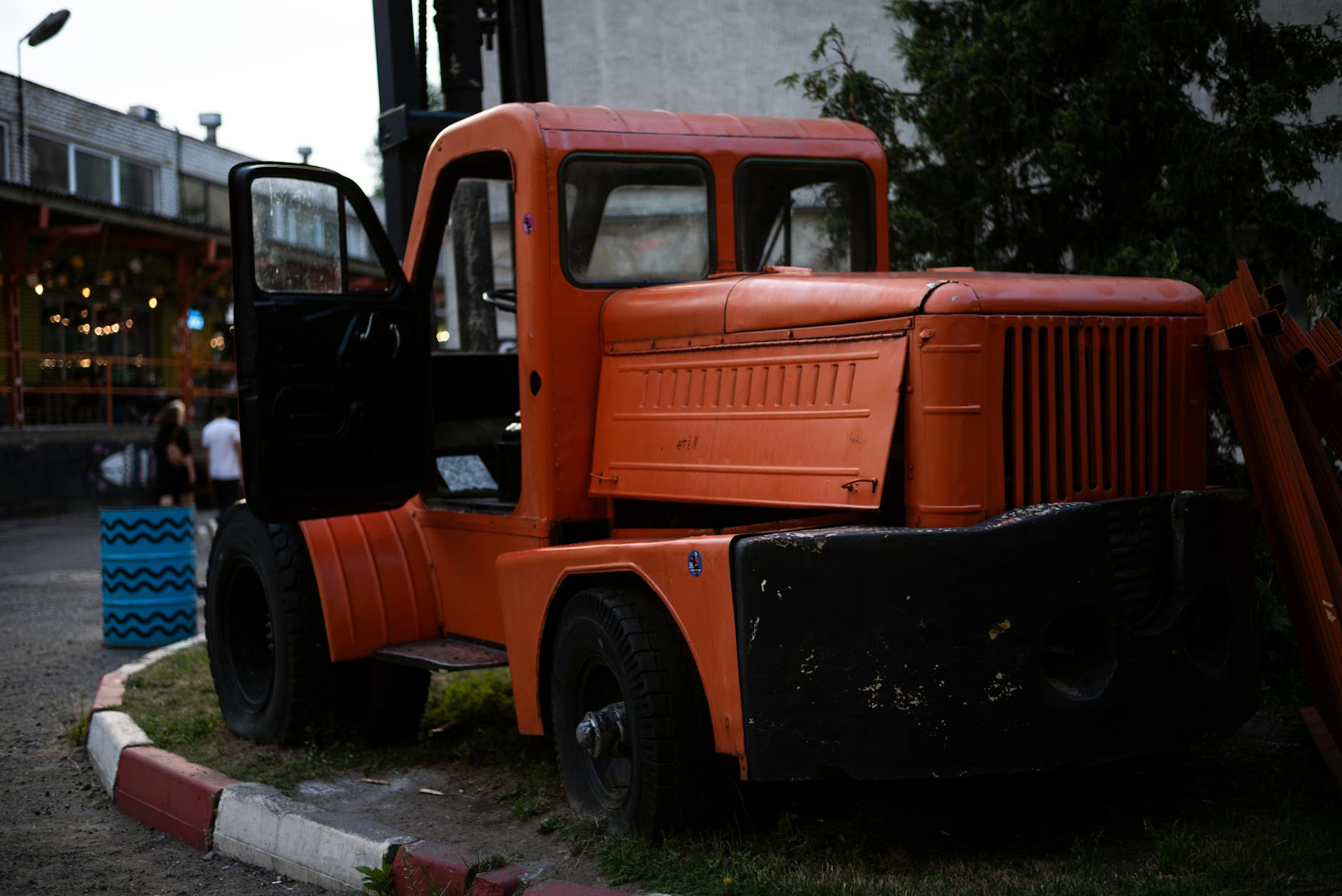
Quick Answer: Towing from interstate to dealership costs $150-500+ depending on distance (typically $3-7 per mile after base fee), time of day, and truck type needed. Most dealerships accept direct payment from insurance roadside coverage. Call your insurance first, then compare with local tow companies.
What To Do
Pull over safely on the interstate shoulder, turn on hazards, and exit the vehicle away from traffic if possible. Get as far right as you can, ideally past the white fog line. If you are on a bridge, in a tunnel, or near a curve with no shoulder, stay in the vehicle with your seatbelt on until help arrives.
Call your insurance roadside assistance first. Most policies cover towing to the nearest qualified repair facility, which includes dealerships. GEICO roadside assistance towing coverage and other major insurers often pay $100-150 toward towing costs. Have your policy number and the exact mile marker ready when you call so dispatch can locate you quickly.
Ask specifically about dealership towing when speaking with roadside dispatch. Some services require you to go to their preferred shop first, but most allow dealership towing if you request it. Be direct: say “I want this vehicle towed to [dealership name and address].” If the operator pushes back, ask them to note your preference in the dispatch record.
Get distance and cost estimates before agreeing to service. Interstate to dealership tows average 10-25 miles in most metro areas. If the dealership is 40+ miles away and your insurance cap is $150, you could owe $100-200 out of pocket before you ever reach the service bay.
Confirm payment method with the tow operator. Many accept insurance direct pay, credit cards, or dealership billing arrangements. Clarify this on the phone, not after the truck hooks up, since some operators charge extra to drop a vehicle once loaded.
Document everything including your exact interstate location (mile marker), destination dealership address, and any damage to your vehicle before towing. Photograph the odometer reading, all four corners of the vehicle, and any pre-existing scrapes or dents. This protects you if a damage dispute comes up later.
 Photo: Pexels
What It Might Cost
Base rates: $75-150 hookup fee plus $3-7 per mile Typical distance: 10-25 miles from interstate to dealership Total range: $150-325 for standard tows during business hours
For longer hauls, say 50 miles from a rural stretch of highway to the nearest brand dealership, costs can climb past $400 without any add-ons. That is common in states where dealerships are concentrated in cities and the breakdown happens in between.
Additional costs:
- After hours/weekends: Add $50-100
- Flatbed (required for AWD, luxury cars): Add $25-75
- Heavy traffic delays: $50-150 per hour waiting time
- Toll roads: Pass-through costs
AWD and 4WD vehicles, along with most luxury brands and low-clearance sports cars, must go on a flatbed. A wheel-lift tow on any of these can cause serious drivetrain damage, which will cost far more than the $25-75 flatbed premium.
Insurance coverage: Most roadside policies cover $100-200 of towing costs. AAA towing coverage typically provides higher limits than standard auto insurance. AAA Plus and Premier tiers cover 100 and 200 miles respectively, which can eliminate most or all of the cost for a typical interstate breakdown.
Payment options:
- Insurance direct billing (most common)
- Credit card on scene
- Dealership billing (some accept, call ahead)
- Cash (always accepted, often gets discount)
 Photo: Pexels
Common Questions
Q: Can I choose which dealership the tow truck takes my car to? A: Yes, in most cases. You are the vehicle owner and you can direct where it goes. Tell dispatch the specific dealership name and address when you call. Some insurance programs limit coverage to the “nearest qualified facility,” so if you choose a dealership 30 miles away when there is one 5 miles away, you may pay the difference out of pocket.
Q: What if the dealership is closed when my car arrives? A: Most dealerships have an after-hours drop procedure. Call the dealership before the tow truck arrives, get the service department’s direct line or after-hours number, and confirm they have a drop lot. Leave your keys in the dropbox with a note that includes your name, contact number, and a brief description of the problem.
Q: Does the tow truck driver need to come inside the dealership with me? A: No. The driver drops the vehicle where the service department directs, typically the service drive or a designated lot. You handle all paperwork with the dealership separately. Tip the driver if the job was difficult, such as a tight shoulder, bad weather, or a long wait in traffic, but it is not required.
Stay Safe
- Never attempt repairs on interstate shoulder
- Exit vehicle on side away from traffic if safe to do so
- Set up emergency triangles 100+ feet behind your car if you have them
- Stay visible to tow truck driver but away from traffic lanes
- Keep all doors unlocked for tow operator vehicle access
- Take photos of your car’s condition before and after towing
- Verify tow truck driver credentials and company name matches who you called
Highway patrol may stop to assist or direct traffic during the tow. Some states charge additional fees for patrol escort services on busy interstates.
If your car needs emergency towing due to engine problems or overheating issues, request a flatbed to prevent further damage during transport to the dealership.
Need roadside help? Visit Tow With The Flow for real answers when your car breaks down.