> **Quick Answer:** In Denver, most tow truck response times run 30 to 60 minutes under normal conditions. During rush hour on I-25 or I-70, plan for 60 to 90 minutes. Remote areas like mountain foothills west of the city can push past two hours. Call immediately, give your exact location, and stay in your vehicle with hazards on while you wait.
## What To Do While You Wait
1. **Call right now, not in five minutes.** Every tow company starts your clock when you call. Waiting to see if the car restarts costs you real time in the queue.
2. **Give the dispatcher a precise location.** Don't just say "on I-25." Say "northbound I-25, just past the Colorado Boulevard exit, mile marker 209, right shoulder." That cuts dispatch confusion and gets the right truck headed your direction faster.
3. **Turn on your hazard lights immediately.** They stay on the entire time. If you have road flares or reflective triangles, place them 100 to 200 feet behind the vehicle.
4. **Stay inside the car if you're on a highway shoulder.** Exiting the vehicle on a fast road is statistically more dangerous than sitting inside. If you broke down in a neighborhood or parking lot, standing outside is fine.
5. **Ask the dispatcher for a real ETA, then ask again at the halfway mark.** Dispatchers track their drivers. A quick callback at the 30-minute mark confirms the truck is still coming and lets you know if something changed.
6. **If you're on I-70 in the mountains**, call CDOT's road assistance line at 511 in addition to a private tow company. Colorado State Patrol patrols mountain corridors regularly and can sometimes reach you faster than a private truck from Idaho Springs or Georgetown.
If you broke down mid-highway rather than on a shoulder, read [Car Broke Down on Highway in Denver: Who to Call Right Now](/car-broke-down-on-highway-in-denver-who-to-call/) before anything else. Positioning matters more than most drivers realize.

*Photo: Pexels*
## Why Denver Response Times Vary So Much
Denver's geography is the main factor. The metro area stretches from Commerce City in the north to Lone Tree in the south, and towers from Lakewood to Aurora. A truck based in Englewood responding to a breakdown near DIA faces 25 to 30 miles of I-70 traffic. During the I-25 and I-70 interchange backups that hit from 4 to 6:30 p.m., trucks can sit in the same traffic you're already stuck in.
Weather adds time on top of that. A winter storm or black ice event in Denver means every tow company in the metro is simultaneously overwhelmed. Response times during a bad snow event can stretch to three or four hours. This is not unusual. If your car won't start because of cold weather and you're deciding between a tow and a jump, [Car Won't Start in Cold Weather: Tow or Jump Start?](/car-wont-start-in-cold-weather-tow-or-jump-start/) can help you make that call faster.
Peak demand hours in Denver:
- **Weekday mornings:** 7:00 to 9:00 a.m. on I-25 and I-70
- **Weekday evenings:** 4:00 to 6:30 p.m. everywhere
- **Weekend nights:** Friday and Saturday after 10 p.m.
- **Any day it snows:** Add 30 to 60 minutes minimum
## What It Might Cost
Response time and towing cost are related. After-hours calls and high-demand periods sometimes carry a surcharge. For a straightforward local tow in Denver, expect $75 to $125 for the hookup fee plus $3 to $5 per mile. A detailed breakdown of what you'll pay is covered in [How Much Does a Tow Truck Cost in Denver Colorado](/how-much-does-a-tow-truck-cost-in-denver-colorado-2/).
If you need a flatbed specifically, that costs more. Check [Towing Cost in Denver Colorado Flatbed vs Wheel Lift](/towing-cost-in-denver-colorado-flatbed-vs-wheel-lift/) to know which truck type you actually need before the driver arrives.

*Photo: Pexels*
## Stay Safe
- Keep hazards on the entire time, even if the battery is low. Interior lights off, hazards on.
- If someone stops and offers help, you do not need to accept. You can wave them off and wait for the tow truck.
- At night, lock your doors while you wait.
- If you feel unsafe at your location, tell the dispatcher. Some companies prioritize calls in dangerous spots.
- Keep your phone charged. A dead phone at mile 30 on I-70 is a serious problem.
## Common Questions
**Q: How long does a tow truck take in Denver during a snowstorm?**
A: During a significant snow or ice event, expect wait times of two to four hours, sometimes longer. Every tow company in the metro gets slammed at once, so call immediately and stay in your vehicle with hazards on.
**Q: Is it faster to call 911 or a tow company if I break down on I-25?**
A: Call a tow company first to get in the queue, then call 511 or Colorado State Patrol if you are in a dangerous position or on a mountain corridor. State Patrol can respond quickly for safety purposes but will not tow your car to a shop.
**Q: Can I speed up my tow truck response time in Denver?**
A: Giving the dispatcher a precise location including the mile marker and direction of travel is the single biggest thing you can do. Calling back at the halfway mark also helps confirm your truck is still on the way and flags any delays early.
---
*Need roadside help? Visit [Tow With The Flow](https://towwiththeflow.com/tow-truck-response-time-denver-colorado/) for real answers when your car breaks down.*
Tow Truck Response Time Denver Colorado: What to Expect Right Now
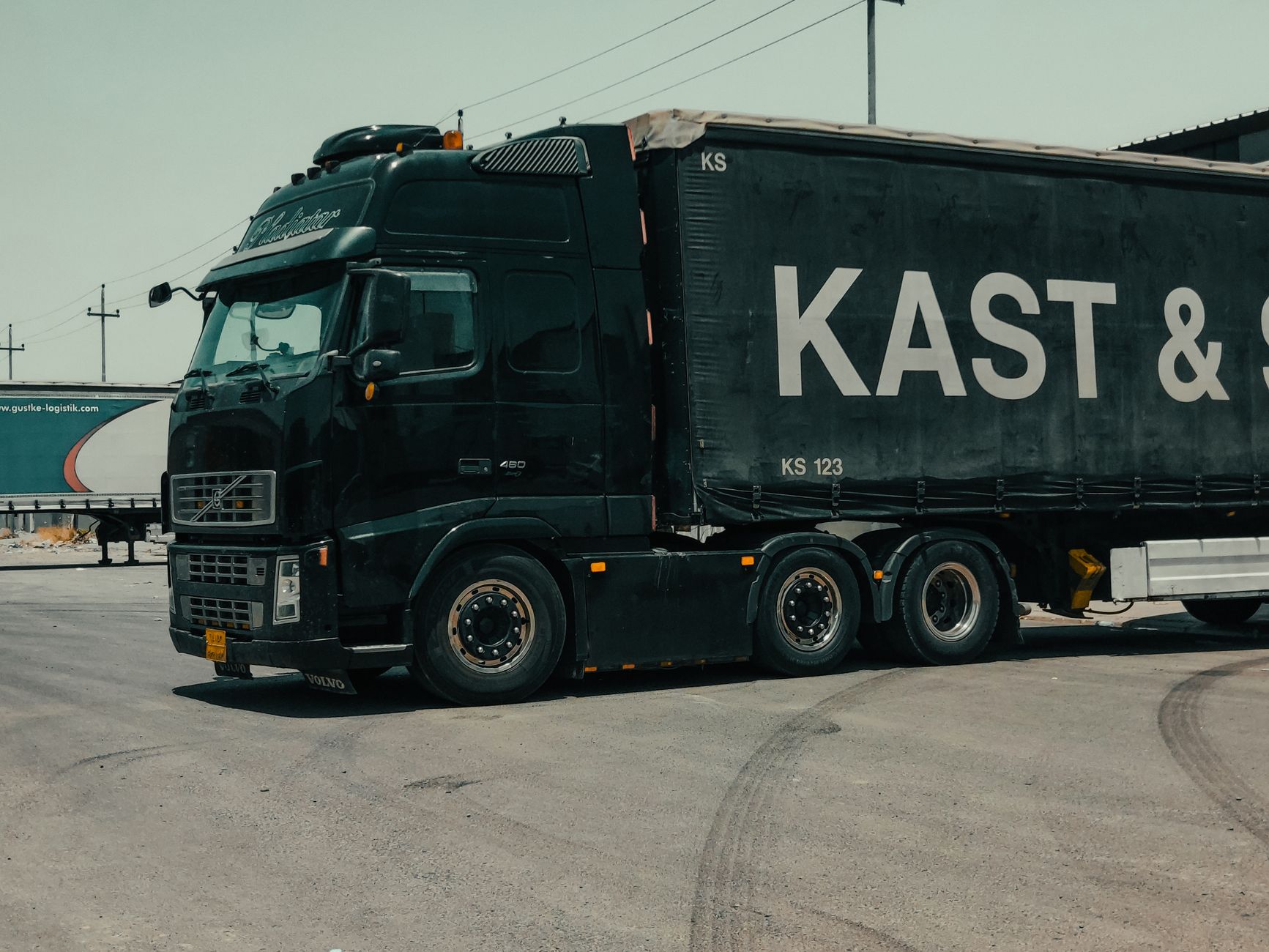
Photo: Pexels