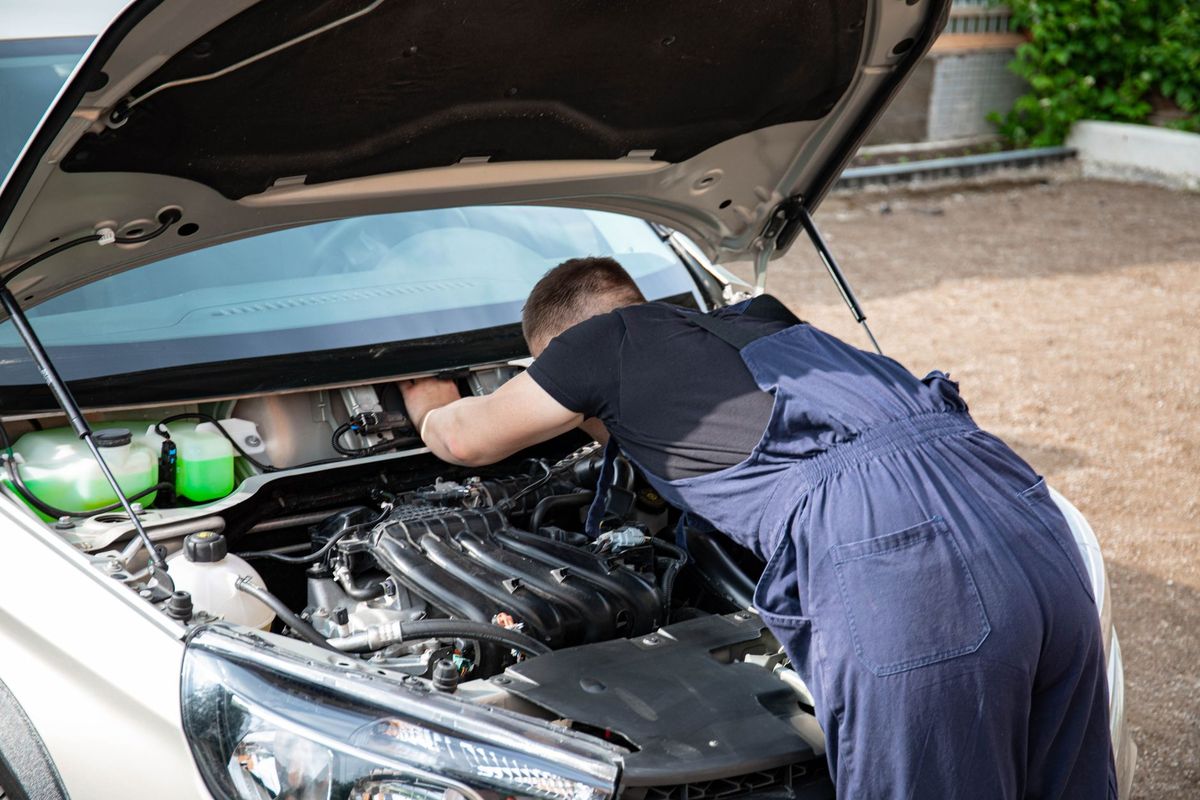
Quick Answer: No. If your timing belt broke, do not drive the car and do not try to restart it. The engine stops instantly, and on many engines the pistons and valves have already collided. Cranking it again can turn a repairable problem into a destroyed engine. Get to a safe spot, shut the car off, and call for a flatbed tow.
Can I Drive a Car With a Broken Timing Belt?
No, because a car with a snapped timing belt will not run at all. The belt keeps the crankshaft and camshaft in sync. When it breaks, the camshaft stops turning while the crank may still spin, and the engine dies on the spot.
You probably felt it: a sudden loss of power, maybe a bang or a rattling sound, then a dead engine. The tachometer drops to zero, and the battery light may flicker on.
Do not turn the key to “see if it still starts.” Cranking spins the crankshaft with nothing controlling the valves. On an interference engine, that can slam bent valves into pistons again and make the damage worse.
What Do I Do Right Now After the Belt Breaks?
Coast to the safest spot you can reach, turn on your hazards, and shut the car off. Power steering and brake assist fade without the engine, so steer early and press the brake pedal firmly with steady pressure.
- Signal and coast. Aim for the right shoulder or the nearest exit ramp. Use your momentum, because you won’t get more.
- Hazards on, parking brake set, key out. Keep the key out of the ignition so nobody reflexively tries to restart it.
- Exit on the passenger side if you’re on a highway shoulder, and stand well away from traffic, ideally behind a guardrail.
- Call for a tow. Tell the dispatcher it’s a broken timing belt and you need a flatbed. If you want the full picture on waiting safely, read Car Died on Highway Shoulder: Is It Safe to Wait for a Tow Truck?
If you’re stuck at night, Car Broke Down on Interstate at Night: What to Do Right Now covers visibility and exit strategy.
Will My Engine Be Ruined?
It depends on whether your engine is an interference or non-interference design. On a non-interference engine, the valves and pistons never occupy the same space, so a broken belt just stops the engine, and you replace the belt and go. On an interference engine, the valves can hit the pistons, bending valves and sometimes cracking pistons or damaging the cylinder head.
Many modern engines are interference designs, but not all. Some Honda J-series and many Toyota, Subaru, and Volkswagen engines are interference. Some older Hondas and certain Ford and GM engines are not. Look up your exact engine code before assuming either way.
A shop confirms the damage with a compression test or a borescope inspection through the spark plug holes. Until then, treat the engine as potentially damaged and leave it alone.
How Much Will This Cost?
A timing belt replacement alone typically runs a few hundred to a bit over a thousand dollars depending on the engine, since the labor is the main cost. That’s the best case, on a non-interference engine. If valves are bent, the repair adds a cylinder head rebuild or replacement and can climb into s
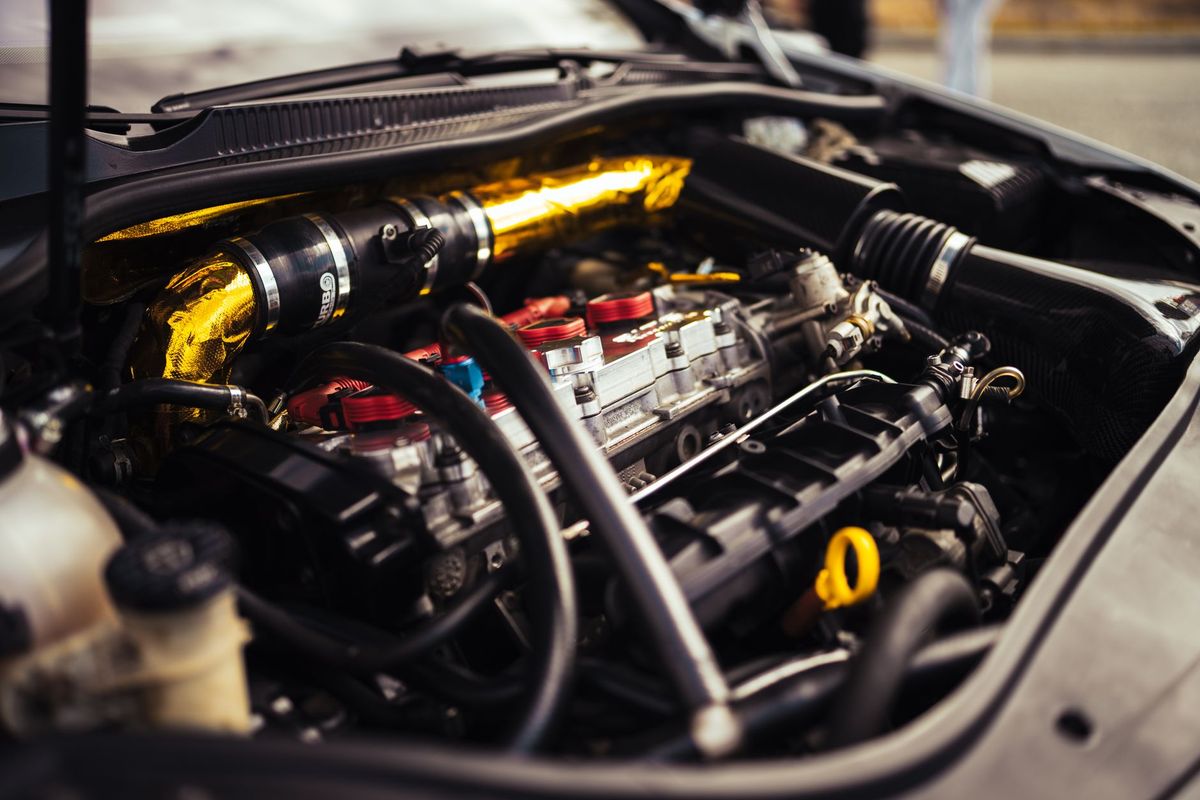 Photo: Pexels
everal thousand dollars.
On an older, high-mileage car, that bill can exceed what the car is worth. Get the diagnosis first, then decide whether to repair, replace the engine, or sell the car as-is.
Ask the shop to replace the water pump, tensioner, and idler pulleys at the same time if they sit behind the belt. They share the labor, so adding them costs little and prevents a repeat failure.
For the tow itself, rates vary by city. How Much Does It Cost to Tow a Car in San Diego and How Much Does a Tow Truck Cost in Houston Texas? give a sense of typical pricing, and the same ranges apply in most large metros.
Is Towing a Car With a Broken Timing Belt Safe?
Yes, towing is safe and it’s the only right move. Ask for a flatbed. A broken belt doesn’t stop the wheels from turning, but flatbed loading keeps the drivetrain still and removes any chance of added stress on a compromised engine. Wheel-lift towing usually works too on front-wheel-drive cars, but flatbed is cleaner.
Tell the driver where to take it: your regular mechanic, a trusted independent shop, or your home so you can arrange a diagnosis. Many shops accept drop-offs after hours. If your engine seized outright, the same towing rules apply, as covered in Car Engine Seized Up: Can It Be Towed Safely?
 Photo: Pexels
Common Questions
Q: Can I just replace the belt and drive on? A: Only if the engine is non-interference and nothing else broke. On an interference engine, the valves may be bent, and a new belt won’t fix that. A compression test or borescope inspection tells you before you spend money.
Q: What does it sound like when a timing belt breaks? A: Often a sudden loss of power with a slapping or ticking noise from the front of the engine, then silence. Some belts snap with no warning noise at all. The engine dies and won’t restart normally. It may crank freely, faster than usual, because the camshaft isn’t offering resistance.
Q: Is a broken timing belt the same as a broken serpentine belt? A: No. The serpentine belt drives the alternator, power steering, and AC, and the engine can keep running briefly without it. The timing belt is inside the engine and its failure kills the engine immediately. See Serpentine Belt Snapped While Driving: Is It a Tow? for the difference.
Q: How long do timing belts last? A: Most manufacturers specify replacement somewhere between 60,000 and 105,000 miles, or at a set age, so check your owner’s manual. Rubber ages even if the car sits, so an old belt on low-mileage car can still fail.
Q: Does roadside assistance cover a timing belt failure? A: Roadside plans typically cover the tow, not the repair. Coverage limits vary, so check your policy’s mileage cap. Our guide on GEICO Roadside Assistance: How Many Times Per Year Can You Use It? shows how those limits work.
Need roadside help? Visit Tow With The Flow for real answers when your car breaks down.