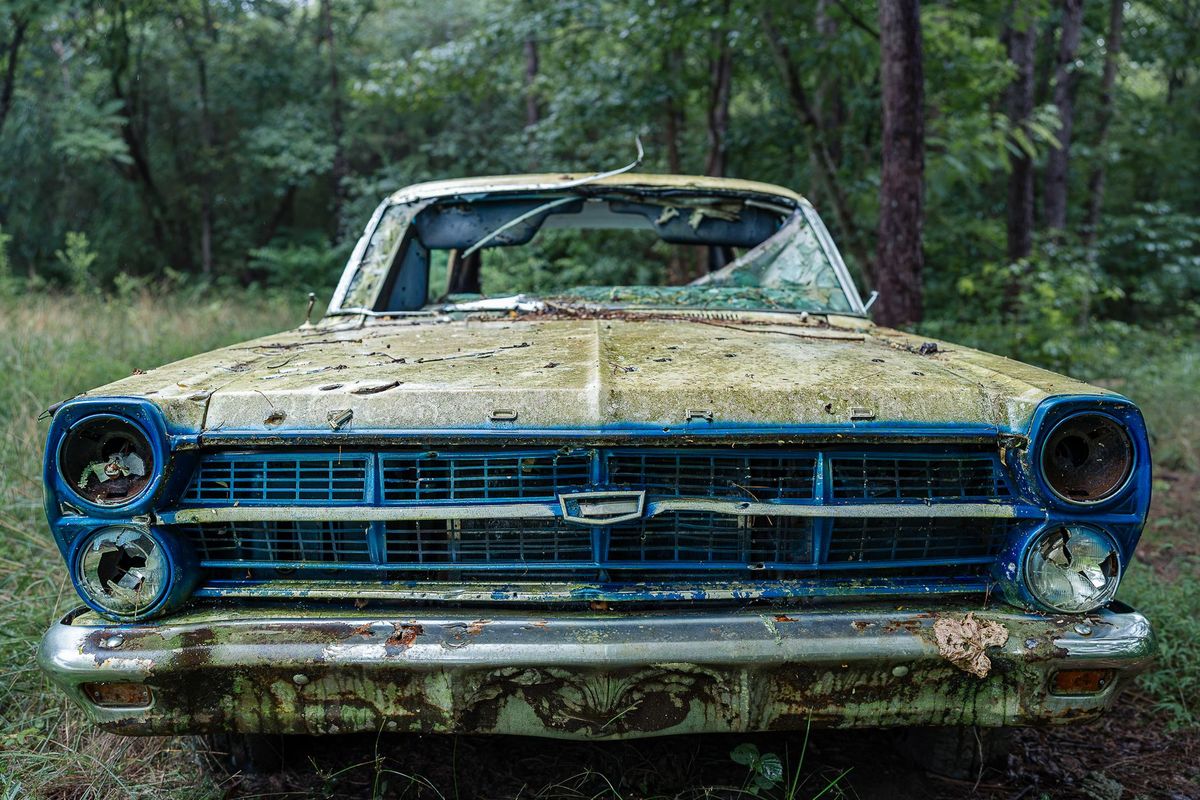
Quick Answer: Get the car as far onto the right shoulder as you can, turn on your hazards, and call 911 if you feel unsafe or can’t get clear of traffic. Keep the baby buckled in the car seat. Stay inside with your seat belt on unless fire or smoke forces you out. Then call roadside help and state your location precisely, including the nearest mile marker.
What Do I Do in the First Five Minutes?
Get off the travel lane, turn on your hazards, and keep the baby strapped in the car seat. Everything else comes after that.
- Steer right. Coast as far onto the right shoulder as you can. Turn your wheels away from traffic.
- Hazards on. Leave them on the whole time. At night, add your dome light so police and tow drivers can see inside.
- Park and brake. Parking brake on, car in park, engine off if it’s smoking or running badly.
- Check the baby. Look for distress, overheating, or cold. Leave the harness buckled.
- Find your mile marker. Look for the small green sign on the shoulder or an exit sign ahead. Dispatchers can find you in minutes with that number and your direction of travel.
Don’t try to change a tire or look under the hood with an infant in the car. That’s what tow trucks are for.
Should I Stay in the Car or Get Out With the Baby?
Stay in the car with your seat belt on. A parked car on a highway shoulder is still the safest place to wait, and a baby in a rear-facing seat is better protected there than standing beside a lane of 70 mph traffic.
Get out only if you see smoke or flames, smell fuel, or can tell another vehicle is about to hit you. If you have to leave, unbuckle the baby and walk well past the guardrail or up the embankment, away from traffic. Don’t stand behind or in front of the car.
Smoke from under the hood changes the math. See what to do when smoke comes from under the hood before you decide.
Who Do I Call, and What Do I Say?
Call 911 first if you’re in a travel lane, on a blind curve, hurt, or feel threatened. Otherwise call your roadside provider (AAA, your insurer’s roadside line, or your car maker’s assistance number) and then a tow company if they can’t reach you quickly.
Tell the dispatcher:
- Highway name, direction, and nearest mile marker or exit
- “I have an infant in the car”
- What the car did before it stopped (stalled, flat, smoke, warning light)
Mentioning the baby often moves you up the queue. If the wait stretches past an hour, use the steps in tow truck taking too long, your options.
No signal? Try 911 anyway, since it can connect through any available network. Then read what to do if your car breaks down with no phone.
How Do I Keep the Baby Safe and Comfortable While We Wait?
Keep the baby in the car seat, regulate the cabin temperature, and have a feeding or soothing plan ready. A car seat is the safest place for them even when parked.
- Cold weather: Run the engine with the heat only if
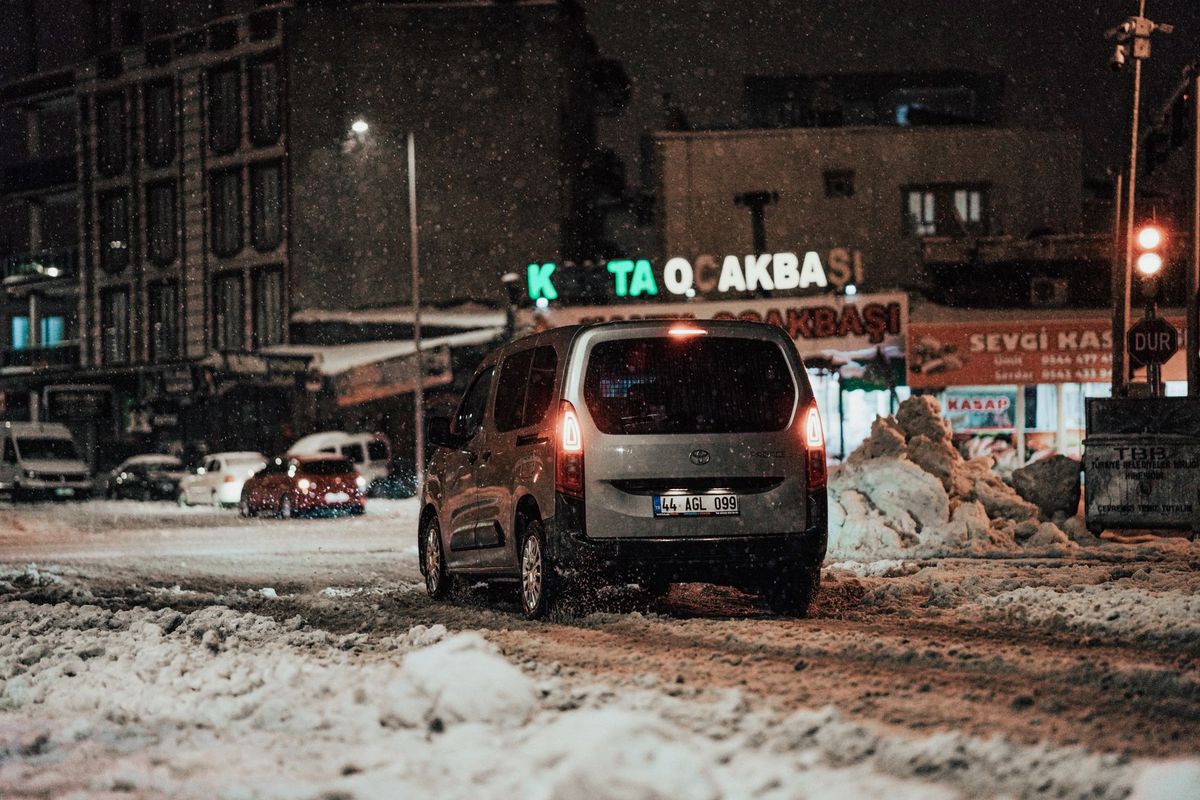 Photo: Pexels
the car is mechanically sound and nothing is smoking. Otherwise use blankets over the car seat harness, never under it, and never bundle the baby in a thick coat beneath the straps. Bulky layers compress in a crash and loosen the harness.
- Hot weather: Open the windows a few inches if you’re parked well off the road, and shade the car seat with a light cloth. An infant can overheat fast in a parked car, so check for flushed skin and unusual sleepiness every few minutes.
- Feeding: Feed in the car seat position if you can. If you’re breastfeeding, stay buckled in your own seat belt where possible. Pre-mixed formula and a spare bottle in your bag is the easy fix for next time.
- Exhaust: If you run the engine on a shoulder with snow near the tailpipe, clear it. A blocked exhaust can push carbon monoxide into the cabin.
If your trip happens after dark, the extra risks are covered in car broke down with kids in the car at night.
What Should I Keep in the Car So This Is Easier Next Time?
Keep an emergency kit packed for the baby in the trunk or footwell. A stuck hour feels very different when you’re prepared.
- Two diapers per hour you might wait, plus wipes
- A spare bottle and pre-measured formula or a snack for an older baby
- A change of clothes and a light blanket
- A battery pack and charging cable for your phone
- A flashlight, reflective triangles, and a high-visibility vest
- A paper copy of your roadside provider’s number
A phone at 5% battery is the most common failure. Charge it before long highway drives.
 Photo: Pexels
Common Questions
Q: Is it safe to wait on the highway shoulder with a baby? A: It’s safer than standing outside the car, but it isn’t risk-free. Park as far right as possible, keep hazards on, stay buckled in, and call 911 if you can’t clear traffic or feel unsafe.
Q: Should I take my baby out of the car seat while we wait? A: No, not unless there’s fire, smoke, or imminent danger. If you must unbuckle to feed or soothe the baby, do it only when the car is fully stopped well off the road, and re-buckle right away.
Q: Will 911 send help for a breakdown with a baby? A: They’ll prioritize if you’re in a travel lane, hurt, or in danger. For a standard breakdown on the shoulder, call your roadside provider first, but tell any dispatcher there’s an infant aboard.
Q: What if my phone has no service on the highway? A: Try 911, which can connect through any available carrier. If that fails, stay in the car with hazards on and wait for a passing patrol or another driver to flag down help.
Q: Can a tow truck driver take my baby with me in the cab? A: Many tow drivers will carry a parent and infant, but they’ll need a proper car seat installed. Many companies won’t transport a baby without one, so ask the dispatcher before they arrive and keep your car seat accessible.
Need roadside help? Visit Tow With The Flow for real answers when your car breaks down.