> **Quick Answer:** Get away from the car. If smoke is coming from under the hood and you're already stopped, turn off the engine immediately, get all passengers out, move at least 50 feet away from the vehicle, and call for help. Do not open the hood. Smoke means heat, pressure, or both, and either one can injure you. The car is replaceable. You are not.
## What Do I Do First When My Car Is Smoking from the Hood?
Turn off the engine and get everyone out of the car. That is the first move, every time, no debate. If you're still rolling, steer onto the shoulder, put it in park, shut it off, and exit immediately through the passenger-side door if traffic is passing on the driver's side.
Once you and your passengers are out:
- Move at least 50 feet behind the vehicle, away from traffic and away from the front of the car
- Turn on your hazard lights before you exit if you can do it in one second
- Do not open the hood. A rush of oxygen to a superheated engine compartment can turn smoke into fire fast
- Call 911 if you see actual flames, hear popping, or smell burning plastic or rubber strongly. Otherwise call a tow truck
Set up road flares or use your phone's flashlight to signal oncoming traffic if you have any. If you have no phone or signal, check out [how to signal for help if your car breaks down and you have no phone](/how-to-signal-for-help-car-breaks-down-no-phone/) for practical alternatives.
## Is the Smoke from My Hood a Coolant Leak or Something Worse?
The color and smell tell you a lot, even from a distance. White or gray steam with a sweet smell is almost always coolant burning off a hot engine or leaking onto the exhaust manifold. That is serious but it is not automatically a fire situation.
Black or dark smoke with a burning rubber or oil smell is a different story. That points to an oil leak dripping onto hot exhaust components, a failing belt, or in worst cases, an electrical short. Blue smoke typically means burning oil inside the combustion chamber, which you would usually see from the tailpipe, not the hood.
What you should not do: open the hood to investigate while the engine is hot. Radiator caps and coolant hoses are under pressure. A scalding blast of steam or coolant can cause serious burns. Wait at least 15 to 20 minutes after shutting off the engine before you touch anything under the hood, and even then, use a rag and turn the cap slowly.
If your temperature gauge was pegged into the red before you stopped, you have an overheating situation. Read more about [what to do when your car is overheating on the highway](/car-overheating-on-highway-do-i-need-a-tow/) to understand what that does to your engine.
## Can I Drive It to the Nearest Gas Station or Do I Need a Tow?
Do not drive it. A car that is visibly smoking from the hood is telling you the engine is in distress. Driving even a quarter mile in that condition can warp a cylinder head, seize an engine, or start a fire.
The only exception worth considering: if the temperature gauge drops back to normal within a few minutes of idling down, the smoke completely stops, and you have a strong reason to believe it was a one-time coolant splash on the exhaust (not a leak), you might carefully drive a short distance with the heat blasting on full to help cool the engine. But if there is any doubt, call a tow. An engine replacement costs several thousand do
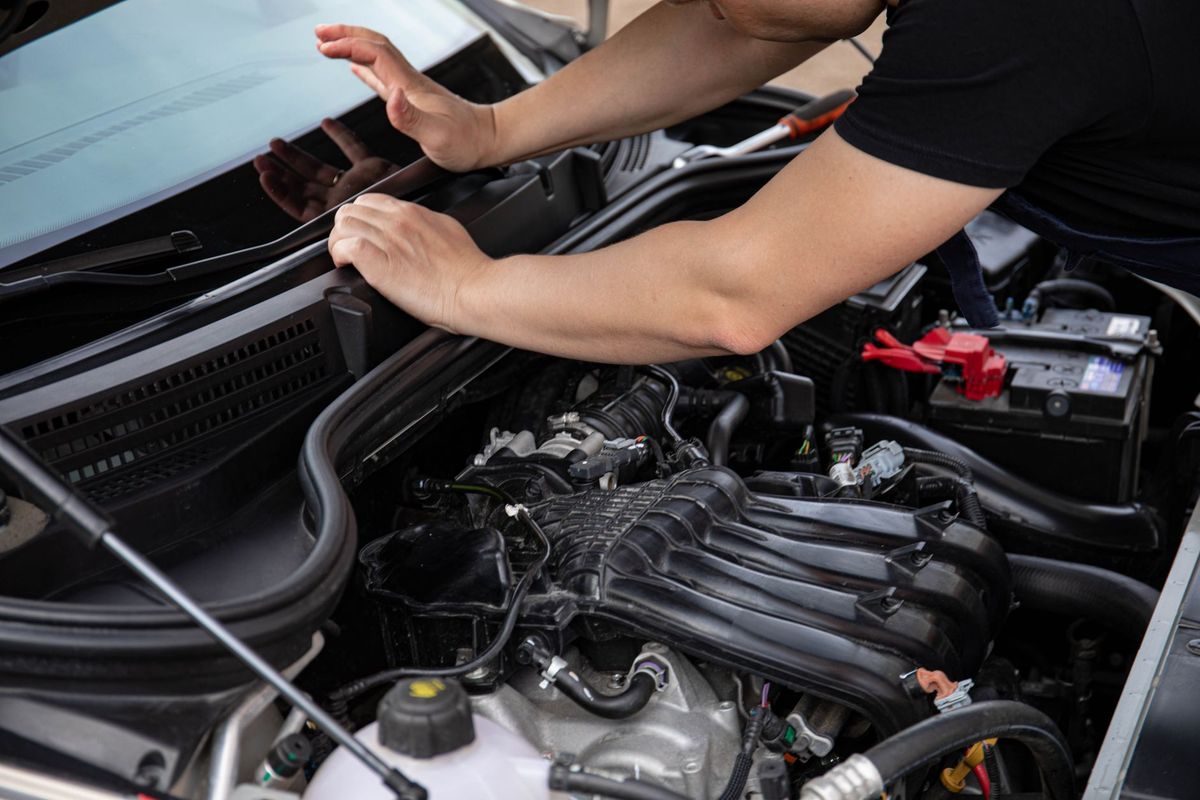
*Photo: Pexels*
llars. A tow runs $75 to $200 for most local distances. That math is simple.
If the oil pressure warning light came on before the smoke started, stop reading and call a tow now. Driving with no oil pressure destroys engines in minutes. See [what to do when the oil pressure warning light comes on while driving](/oil-pressure-warning-light-came-on-driving-what-to-do/) for a full breakdown.
## How Do I Stay Safe While I Wait for the Tow Truck?
Stay well behind your car, not beside it. If a distracted driver drifts onto the shoulder, you do not want to be standing next to the vehicle. The safest position is behind a guardrail if one is present, or as far off the road as the terrain allows.
Keep your hazards running. If you have road flares or reflective triangles, place them 100 to 200 feet behind your car to give drivers maximum warning time. At night, this is not optional.
Do not sit in your car while it is smoking. If there is a fuel leak you cannot see, a smoldering engine bay can escalate without warning. Stay out until a mechanic or tow driver has looked it over.
Keep bystanders back, especially children. Curious people walk up to smoking cars. Keep everyone away from the front of the vehicle. If you smell fuel strongly at any point, move everyone back further and call 911, not just a tow company.
For more on managing a highway breakdown safely, [how to stay safe broken down on a highway at night](/how-to-stay-safe-broken-down-on-highway-at-night/) covers the full playbook for nighttime situations.
---
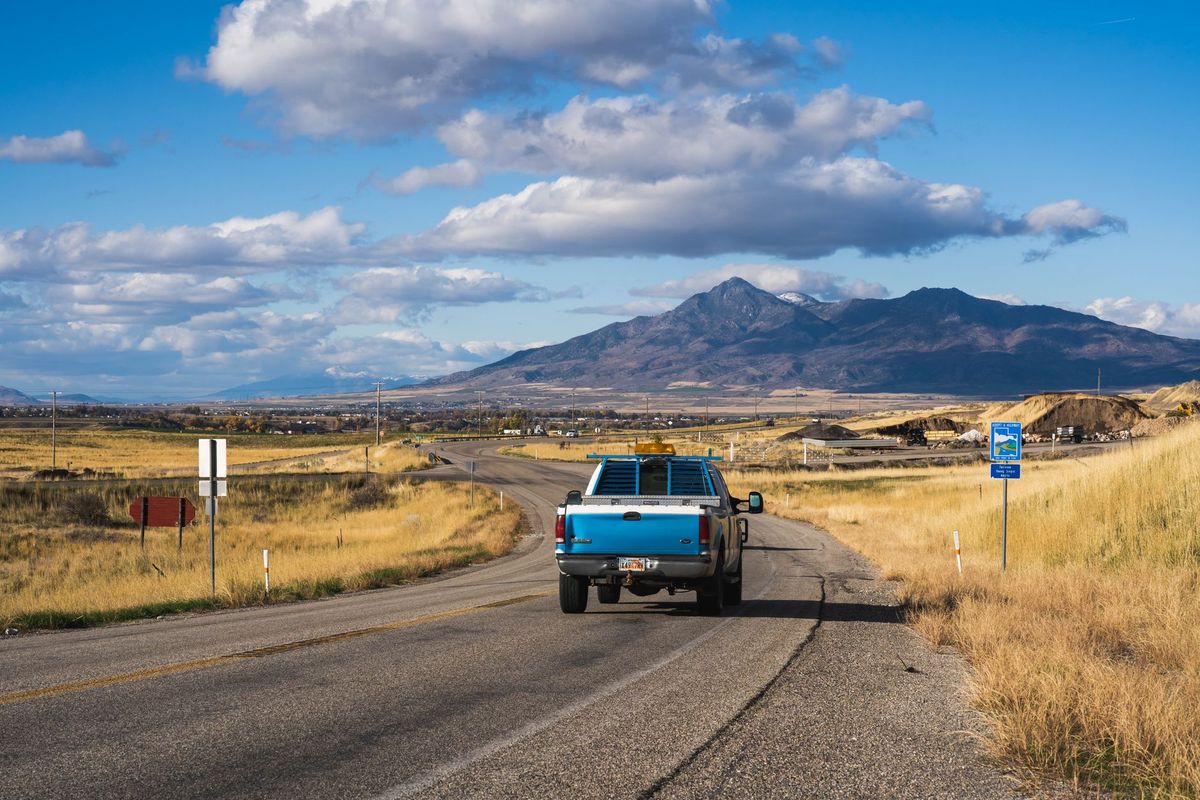
*Photo: Pexels*
## Common Questions
**Q: Should I open the hood when my car is smoking?**
A: No. Wait until the engine has cooled for at least 15 to 20 minutes. Opening the hood on a hot, pressurized engine can cause scalding steam or coolant to spray out, and introducing airflow to a smoldering engine bay can ignite a fire.
**Q: What if the smoke turns into flames while I'm waiting?**
A: Call 911 immediately and move everyone at least 100 feet away from the car. Do not attempt to fight an engine fire with a standard car fire extinguisher unless you have one rated for flammable liquids and you know how to use it. Get people clear and let the fire department handle it.
**Q: How much will a tow cost if I'm on the side of the road?**
A: Most local tows under 10 miles run $75 to $150. Hook-up fees typically run $50 to $75 on their own, and mileage adds $3 to $7 per mile after that. If you have roadside assistance through your insurer or AAA, the first tow may be fully covered.
**Q: Will my insurance cover the tow if the engine is damaged?**
A: Roadside assistance coverage pays for the tow regardless of the cause. Comprehensive or collision coverage does not typically pay for mechanical breakdowns. Check your policy's roadside assistance rider, or call your insurer while you wait, many have apps that dispatch tow trucks directly.
**Q: Can a coolant leak cause the engine to catch fire?**
A: Coolant itself does not ignite, but an oil leak hitting a hot exhaust manifold can. If the smoke smells sweet and looks like white steam, you are probably looking at a coolant issue. If it smells like burning oil or rubber, treat it as a potential fire risk and stay away from the vehicle.
---
*Need roadside help? Visit [Tow With The Flow](https://towwiththeflow.com/smoking-from-hood-stopped-on-side-of-road-what-to-do/) for real answers when your car breaks down.*
Smoking from Hood Stopped on Side of Road: What to Do Right Now
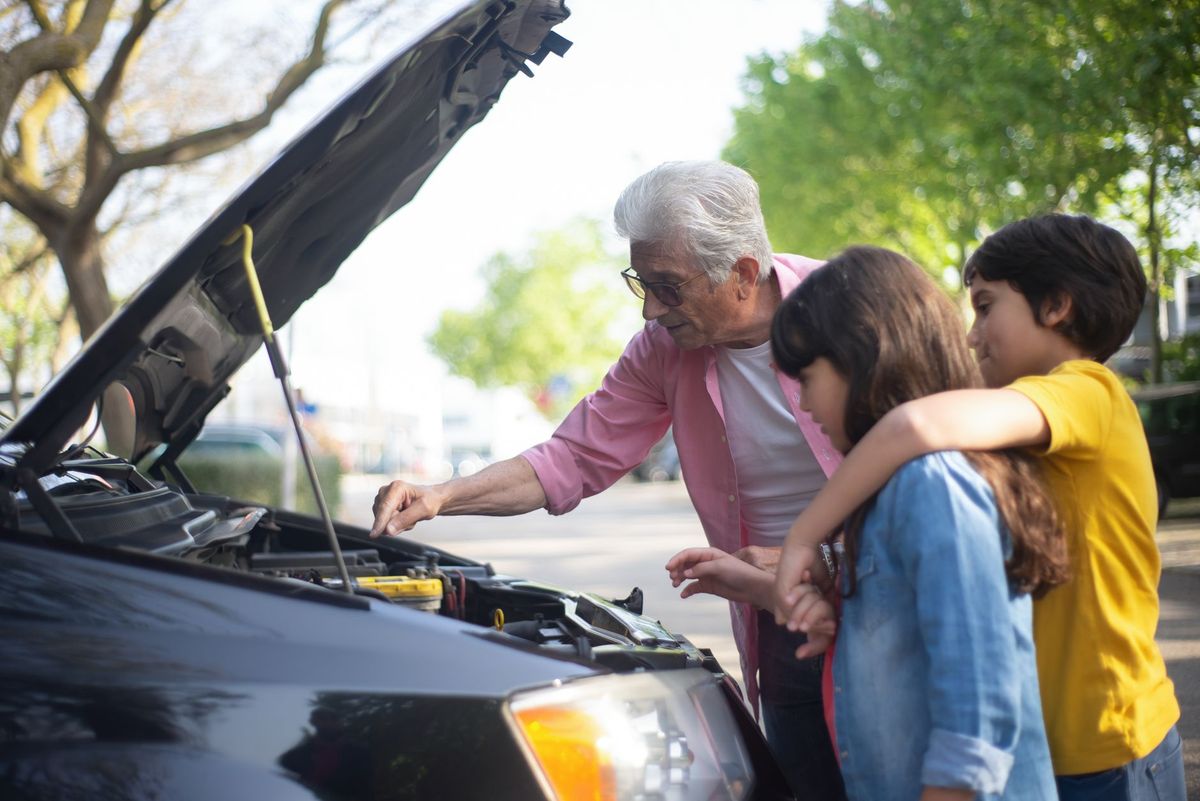
Photo: Pexels