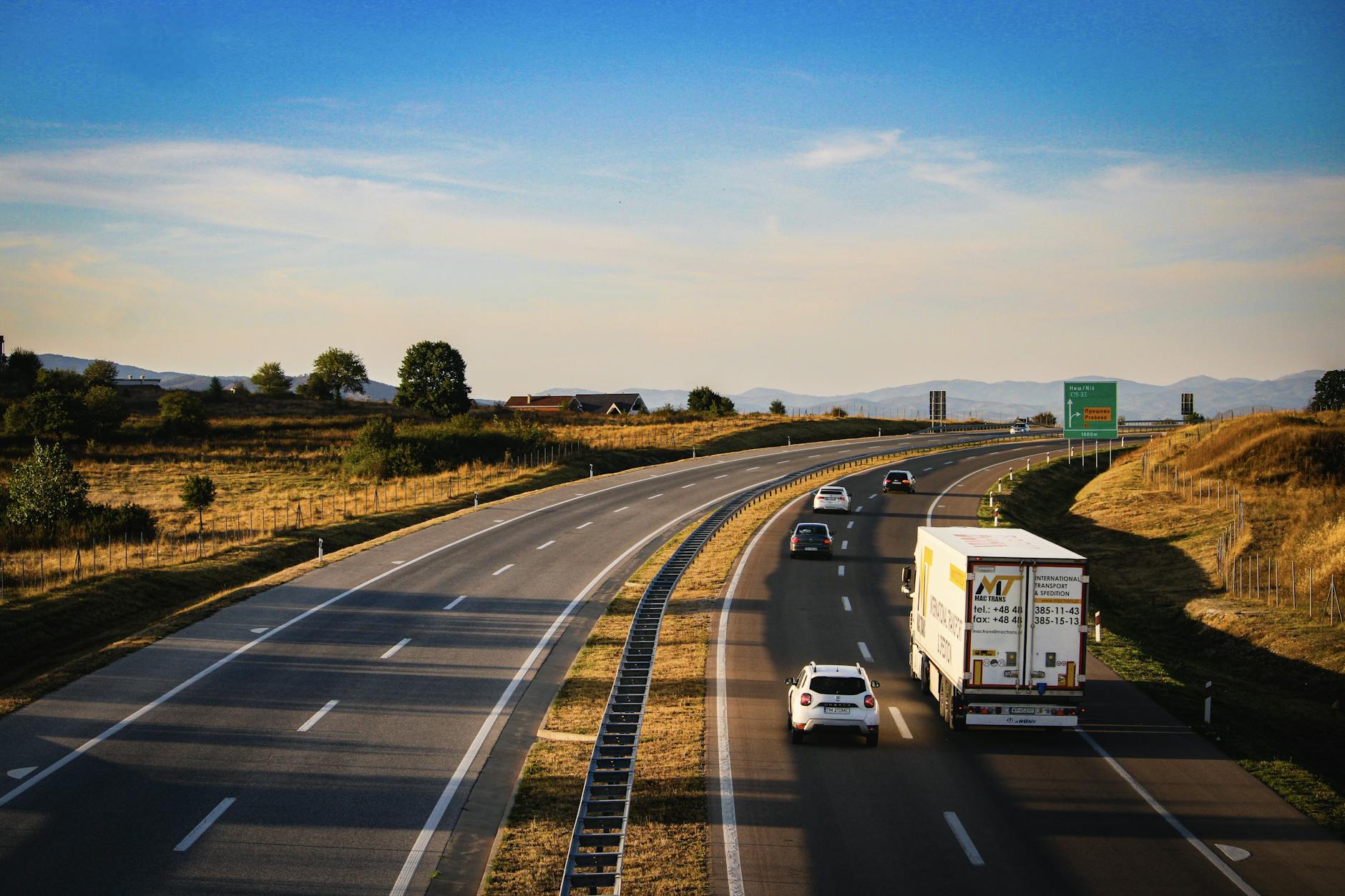
Quick Answer: Roadside assistance is usually cheaper and includes multiple services, but direct tow truck calls get faster response times and let you choose your destination. Use roadside assistance for minor issues and direct calls for urgent situations or when you need specific towing services.
What To Do
Check what roadside coverage you have first. Look at your auto insurance, AAA membership, credit card benefits, or manufacturer warranty. Many people forget they already have coverage. AAA Basic covers towing up to 5 miles, while AAA Plus bumps that to 100 miles. Some credit cards like Chase Sapphire or certain Visa Signature cards include roadside dispatch as a free benefit. Check your glove box for insurance paperwork or call your insurer’s 24-hour line.
Call roadside assistance if you have it and can wait. Response times average 30-60 minutes, but during bad weather or peak hours that can stretch to 90 minutes or longer. The tradeoff is real value: you get multiple services covered under one plan, including jump starts, tire changes, lockouts, fuel delivery, and short-distance towing. If you’re in a safe spot off the road and the issue is a dead battery or flat tire, waiting for covered service almost always saves you money.
Call a tow truck directly when time matters. Local tow companies often respond in 15-30 minutes because they’re not routing through a national dispatch center. You pay more but get faster service and can specify exactly where you want your car taken. If you’re blocking traffic, stuck in a dangerous location, or your car needs to reach a specific independent shop, calling direct gives you that control.
Use direct towing for specialty needs. If you need long-distance towing, flatbed service for a low car, or transport to a specific shop, call directly. Roadside assistance usually limits tow distances to 5-15 miles. A lowered vehicle, a sports car with a front air dam, or an AWD vehicle that can’t be dolly-towed all need flatbed service, and not every roadside assistance dispatch will send one automatically. When you call a tow company directly, you can confirm flatbed availability before they roll.
Get the price upfront either way. Roadside assistance should tell you any extra costs beyond your coverage before the truck arrives. Tow companies must quote prices before hooking up your car. In most states this is a legal requirement, but it’s still your job to ask. Get the hook-up fee, the per-mile rate, and any after-hours or holiday surcharges confirmed verbally and, if possible, in a text or written quote.
 Photo: Pexels
What It Might Cost
Roadside assistance: Free to $200 per year for membership. Most services covered, towing usually included up to a set distance. AAA Basic runs about $60-75 per year; AAA Plus is around $100-130. Insurance add-on coverage typically costs $10-30 per year and is worth considering if you don’t have a standalone membership.
Direct tow truck: $75-150 for local towing (first 5-10 miles), then $3-7 per additional mile. Jump starts and tire changes typically $50-100 each. After-hours or holiday calls often add a $25-50 surcharge on top of the base rate, so ask before you agree.
Long-distance towing: $200-500+ depending on distance. Roadside assistance rarely covers this fully. A 100-mile tow can run $350-600 out of pocket if you’ve exceeded your plan’s distance limit, so know your cap before you assume you’re covered.
Common Questions
Q: Can I call a tow truck even if I have roadside assistance through my insurance? A: Yes, you can always call a tow company directly, even if you have coverage. You just won’t be reimbursed for costs your plan would have covered. Some drivers do this intentionally when they need faster response or a specific truck type their roadside plan won’t guarantee.
Q: What happens if the tow truck takes my car somewhere I didn’t want it to go? A: You have the right to specify the destination before they hook up your car. If a tow company takes your vehicle to an unauthorized location, they can be liable under most state consumer protection laws. Always confirm the destination out loud and make sure the driver acknowledges it before they start loading.
Q: Does using roadside assistance raise my insurance rates? A: Using a roadside assistance add-on through your auto insurance policy can count as a claim in some states, which may affect your rates at renewal. Using a standalone membership like AAA or a credit card benefit has no effect on your insurance at all. Ask your insurer how they classify roadside claims before you call it in.
 Photo: Pexels
Stay Safe
- Pull completely off the road before calling anyone
- Turn on hazard lights and use road flares or reflectors if you have them
- Stay in your vehicle if on a busy highway
- Never accept help from random strangers who stop
- Keep your phone charged and know your exact location
- Have cash ready for direct tow truck payments
Need roadside help? Visit Tow With The Flow for real answers when your car breaks down.