
Quick Answer: No. A burst radiator hose dumps your coolant fast, and an engine without coolant can overheat in a few minutes. Driving to the shop risks warping the cylinder head or blowing the head gasket, turning a $20 hose into a multi-thousand-dollar repair. Pull over, shut the engine off, and call a tow. The only exception is a tiny weep at a clamp, not a burst hose.
Can I Drive to the Shop With a Burst Radiator Hose?
No, you can’t drive it to the shop. A burst hose empties the cooling system, and without coolant circulating, the engine heats past safe limits within minutes.
Aluminum cylinder heads, which most modern engines use, warp when they get that hot. A warped head or blown head gasket is a repair bill many times what the hose costs. If you’re debating whether to risk a few miles, the math says tow it. For symptoms of what overheating damage looks like, see blown head gasket symptoms.
You’ll usually know a hose has burst. You’ll see a cloud of white steam from under the hood, smell sweet syrupy coolant, and watch the temperature gauge spike into the red. Sometimes there’s a loud pop or hiss first.
What Do I Do in the First 60 Seconds After the Hose Bursts?
Get off the road and shut the engine off. Every second it runs without coolant is damage.
- Turn on your hazard lights and signal toward the shoulder.
- Turn the heater on full blast. It pulls a little heat out of the engine and buys you seconds while you find a safe spot.
- Coast to the shoulder, put it in park, and kill the engine.
- Get everyone out on the side away from traffic if you’re on a highway.
- Do not open the hood right away. Steam and scalding coolant can burn you badly.
If you’re on a busy road at night, the shoulder itself is a hazard. Read is it safe to wait for a tow truck on the shoulder before you decide whether to stay in the car or stand clear of it.
Can I Just Add Water and Drive a Few Miles?
Adding water won’t get you to the shop, because the hose is still split and the water pours straight out the same hole. Topping off only works if you can stop the leak first, and a burst hose is not a small leak.
Never open the radiator cap or coolant reservoir while the engine is hot. The system is pressurized, and the cap can spray boiling fluid. Wait at least 30 minutes, or until the upper hose is cool enough to hold in your bare hand.
Once it’s cool, you can check where it failed. The upper radiator hose, the big one running from the thermostat housing to the top of the radiator, is the most common failure point. It splits along the length or blows off at the clamp.
A temporary fix can work in narrow cases. If the tear is near the end of the hose and there’s enough slack, you can cut off the damaged section, reattach the hose, and refill with water or coolant. If the split is mid-hose or you have no tools or coolant, don’t try it. A bad patch fails again and leaves you with the same cooked engine.
Self-fusing silicone tape can seal a pinhole leak, but it won’t hold under
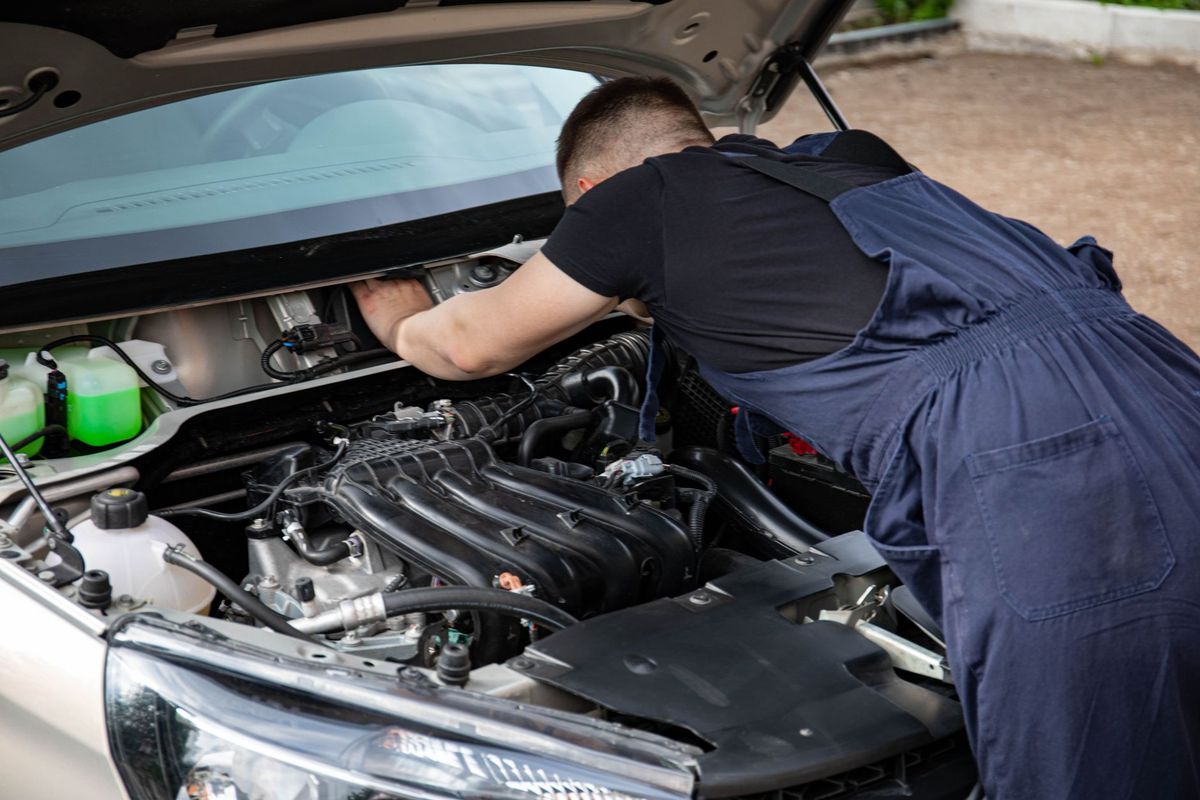 Photo: Pexels
pressure on a fully burst hose.
How Much Does It Cost to Tow and Fix a Burst Radiator Hose?
The hose itself is cheap, usually $15 to $60 for the part. Labor at a shop typically brings the repair to roughly $100 to $300 depending on the vehicle and how buried the hose is.
The tow is the bigger variable. Rates vary a lot by city, time of day, and whether you need a flatbed. For real numbers by market, check towing costs for Dallas or Houston, or see what wait times look like before you call.
Ask the dispatcher for a flatbed if you have it available. It avoids putting any more load on a stressed engine, and some all-wheel-drive vehicles shouldn’t be wheel-lift towed anyway.
Compare that to the cost of driving it. A warped cylinder head or head gasket replacement commonly runs well into four figures, and a seized engine can total the car. One tow fee is almost always cheaper than the gamble.
What Should I Check Before the Shop Fixes It?
Tell the shop exactly how long the engine ran after the hose burst, because that determines how deep they need to inspect. Say it plainly: how many minutes, whether the gauge hit red, and whether you saw steam.
Ask them to pressure test the cooling system and check for oil in the coolant or coolant in the oil. Milky, tan oil on the dipstick is a bad sign. Also have them inspect the other hoses. If one hose burst from age, the rest are usually the same age and close behind.
Replace both upper and lower hoses plus the clamps if the car has over 100,000 miles. It’s cheap insurance since the shop already has the system drained.
 Photo: Pexels
Common Questions
Q: How long can I drive with a burst radiator hose? A: Realistically, you shouldn’t drive at all. With the coolant gone, the engine can overheat within a few minutes, and damage starts before the gauge even tops out.
Q: Can a burst radiator hose ruin my engine? A: Yes. Running hot without coolant can warp the cylinder head, blow the head gasket, or in the worst cases seize the engine. Shutting it off quickly is the single biggest factor in avoiding that.
Q: Is it safe to open the hood after a radiator hose bursts? A: Not right away. Wait about 30 minutes for the engine to cool, since steam and boiling coolant can cause serious burns. Use a rag over the hood latch if it’s hot.
Q: Will my insurance or roadside coverage pay for the tow? A: Many roadside assistance plans, including AAA and add-on coverage from insurers, cover a tow for a mechanical breakdown like this. Check your policy or membership for mileage limits before you call.
Q: Can I use stop-leak or sealant instead of replacing the hose? A: Stop-leak products can sometimes seal a tiny pinhole, but they won’t fix a burst or split hose. Using them on a failed hose also risks clogging the radiator and heater core.
Need roadside help? Visit Tow With The Flow for real answers when your car breaks down.