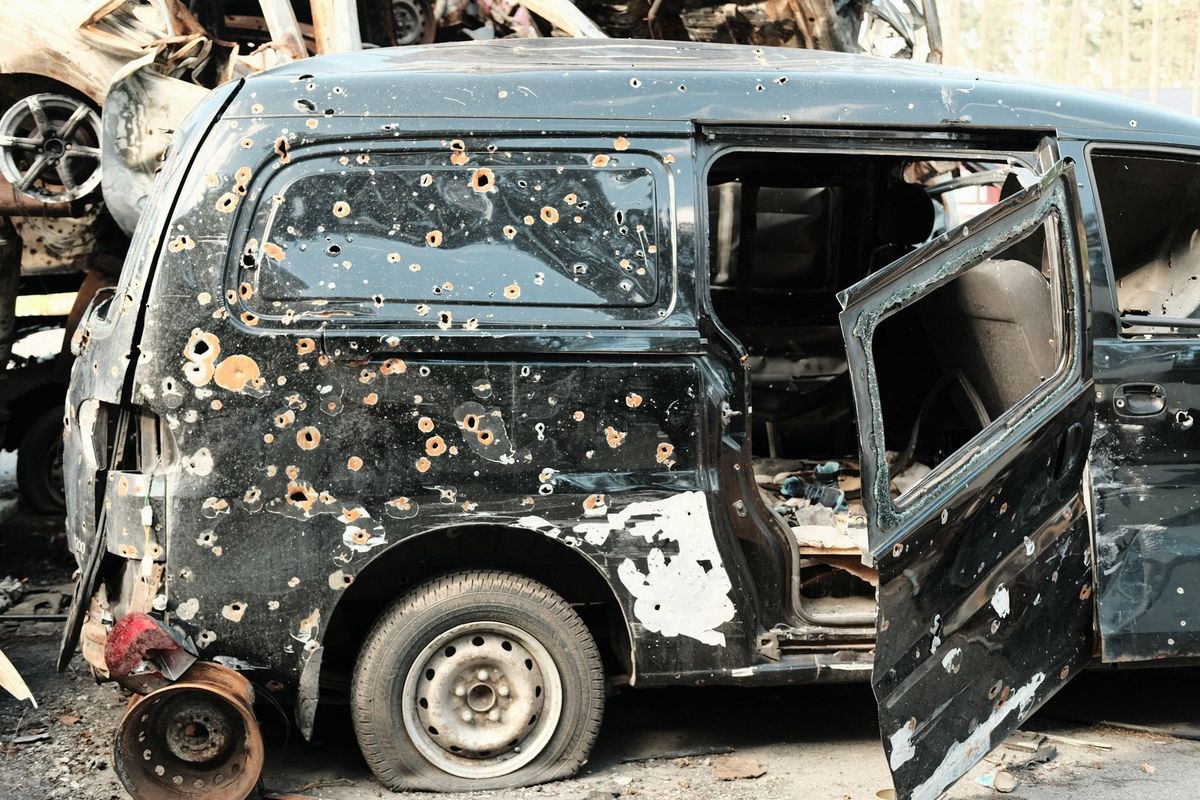
Quick Answer: Call your roadside assistance provider first (AAA, your insurer, or your credit card benefit) and ask for fuel delivery. If you’re in a live lane, on a blind curve, or feel unsafe, call 911 instead. Get the car as far onto the shoulder as it will roll, turn on your hazards, and wait with your seatbelt on or outside the vehicle behind a guardrail.
Who Do I Call First When I Run Out of Gas on a Highway at Night?
Call the roadside assistance you already pay for, and ask for fuel delivery. That means AAA, the roadside add-on on your auto policy, or the benefit tied to your credit card or new-car warranty. Check the back of your insurance card or your insurer’s app. Many drivers have coverage and never use it.
Call 911 instead if any of these are true: the car is stopped in a travel lane, you’re on a blind curve or hill crest, there’s no shoulder, or someone is parked behind you acting strangely. Police can put a patrol car’s lights behind you and keep you from getting hit, which no tow dispatcher can do.
No coverage? Search “fuel delivery near me” or “24 hour towing” on your phone. In many states you can also use your state DOT’s traffic app or dial 511 for road conditions. Some highways run freeway service patrols that carry a few gallons of gas, but hours and routes vary, so don’t count on one at night.
What Do I Do in the First Minute After the Engine Quits?
Keep the steering wheel steady and coast as far right as the car will roll. Power steering and power brakes get heavy when the engine dies, but the car still steers and stops. Press the brake firmly and don’t pump it.
Then:
- Hazards on immediately.
- Coast onto the right shoulder, as far from the lane as possible. If you can safely reach an exit ramp, even better.
- Turn the wheels away from traffic and set the parking brake.
- Leave the dome light on so approaching drivers can see the shape of the car.
- Call for help before doing anything else.
Don’t try to push the car by yourself at night on a high-speed road. Don’t walk the highway looking for a gas station. Drivers at 70 mph cannot see a pedestrian in dark clothing until it’s too late.
Is It Safer to Stay in the Car or Get Out?
Stay in the car with your seatbelt on if you’re close to the traffic lane. Cars drift onto shoulders at night, especially tired or impaired drivers, and a parked car with its lights on can attract them. The rear of your car is the most likely impact point, so don’t sit in a rear seat, and keep your head against the headrest.
Get out only if you have a safe place to stand, like behind a guardrail or well up an embankment, and the shoulder is narrow or the car is exposed. Exit on the passenger side, away from traffic, and take your phone. Never stand between your car and the lane.
If you have a flashlight, reflective triangles, or flares, set them out only if you can do so safely. Place triangles well behind the car, but skip it if traffic is heavy or the shoulder is tight. Your phone flashlight pointed at your car’s rear window also works as a makeshift signal.
How Much Does Emergency Fuel Delivery Cost?
Roadside fuel delivery usually runs a flat service fee plus the cost of the fuel, and night, weekend, and remote-highway calls often cost more. Expect the fee to land somewhere in the range of a short tow, and alway
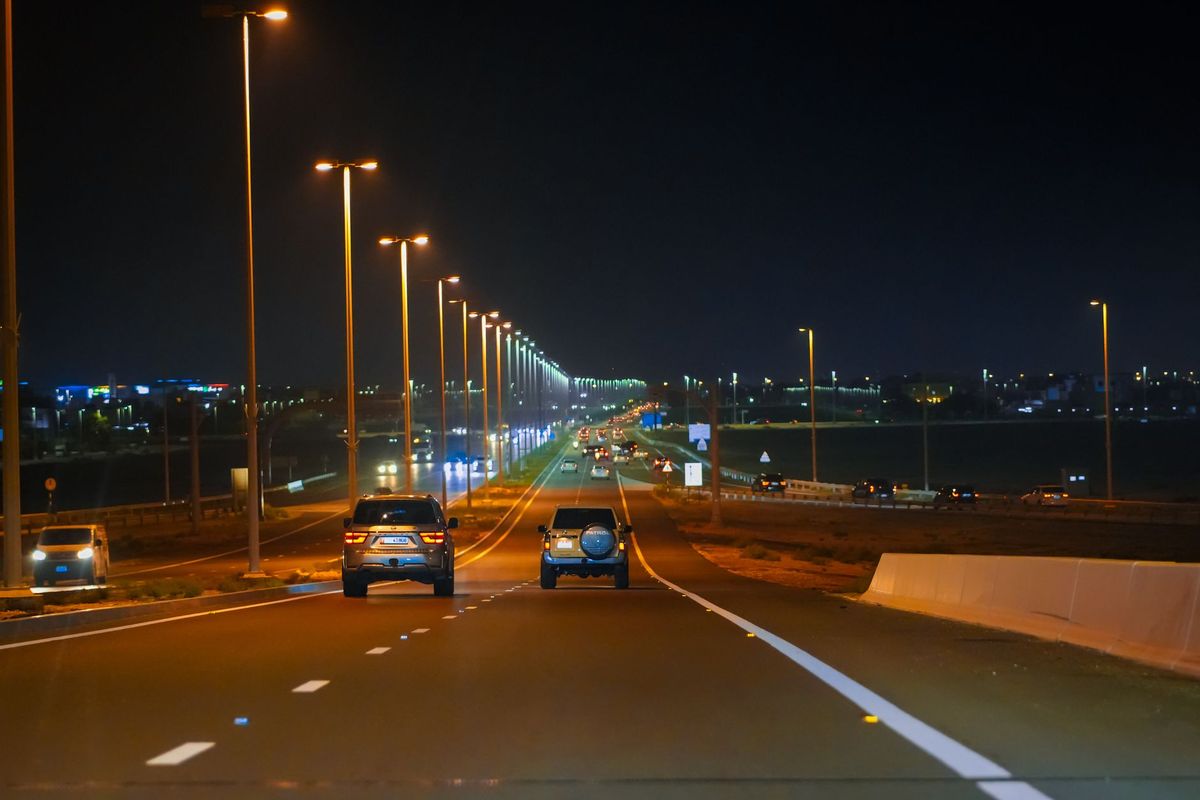 Photo: Pexels
s ask for the total price before the driver is dispatched. Most services bring only a few gallons, which is enough to reach a station.
With AAA or an insurance add-on, fuel delivery is often included, though the fuel itself may be billed to you and each plan caps how many calls you can make per year. Our breakdown of Progressive’s roadside coverage limits and GEICO’s per-year roadside limits shows how those caps work. If you pay out of pocket and think the bill is inflated, see how to dispute a towing charge.
A tow to the nearest station can sometimes cost less than fuel delivery on a remote stretch. Ask the dispatcher to quote both.
How Long Will I Be Waiting, and What Should I Do Meanwhile?
Plan on 30 to 90 minutes at night, longer on rural interstates or in bad weather. Dispatchers will give you an estimate, but treat it as a guess. For more on realistic waits, read how long it takes a tow truck to arrive on the highway.
While you wait:
- Share your exact location with a friend or family member using your phone’s location sharing.
- Note the nearest mile marker or exit number and give it to the dispatcher. It beats a vague description every time.
- Don’t run the engine for heat, because you have no fuel. Use a blanket or coat.
- Keep your phone charged. Turn down the screen brightness and close unused apps.
- Don’t accept a ride or a tow from anyone you didn’t call. Confirm the company name and truck markings match what dispatch told you.
If you’re stranded somewhere that makes you feel unsafe, say so to the 911 operator. They will prioritize it.
 Photo: Pexels
Common Questions
Q: Can I call 911 just because I ran out of gas? A: Yes, if you’re stopped in a travel lane, on a blind curve, or feel unsafe. If you’re safely on a wide shoulder and have roadside coverage, call your provider first. Police may dispatch a tow or fuel service, but their priority is traffic safety.
Q: Will AAA bring gas if I run out on the highway? A: Yes, AAA offers fuel delivery on most membership levels, usually a few gallons to get you to a station. Coverage details vary by plan, so check your membership level before you call.
Q: Can I walk to a gas station at night? A: Don’t walk along a highway at night. Drivers can’t see pedestrians until it’s too late, and many interstates prohibit foot traffic entirely. Wait for help instead, and move behind a guardrail if you must leave the car.
Q: How far will a few gallons of gas get me? A: Two to three gallons typically carries most cars 50 to 90 miles, depending on mileage. That’s usually enough to reach the next station even on a rural stretch.
Q: Does car insurance cover running out of gas? A: Only if you added roadside assistance to your policy. Standard liability and collision coverage don’t pay for fuel delivery. See whether car insurance covers roadside assistance if you add it for what to look for.
Need roadside help? Visit Tow With The Flow for real answers when your car breaks down.