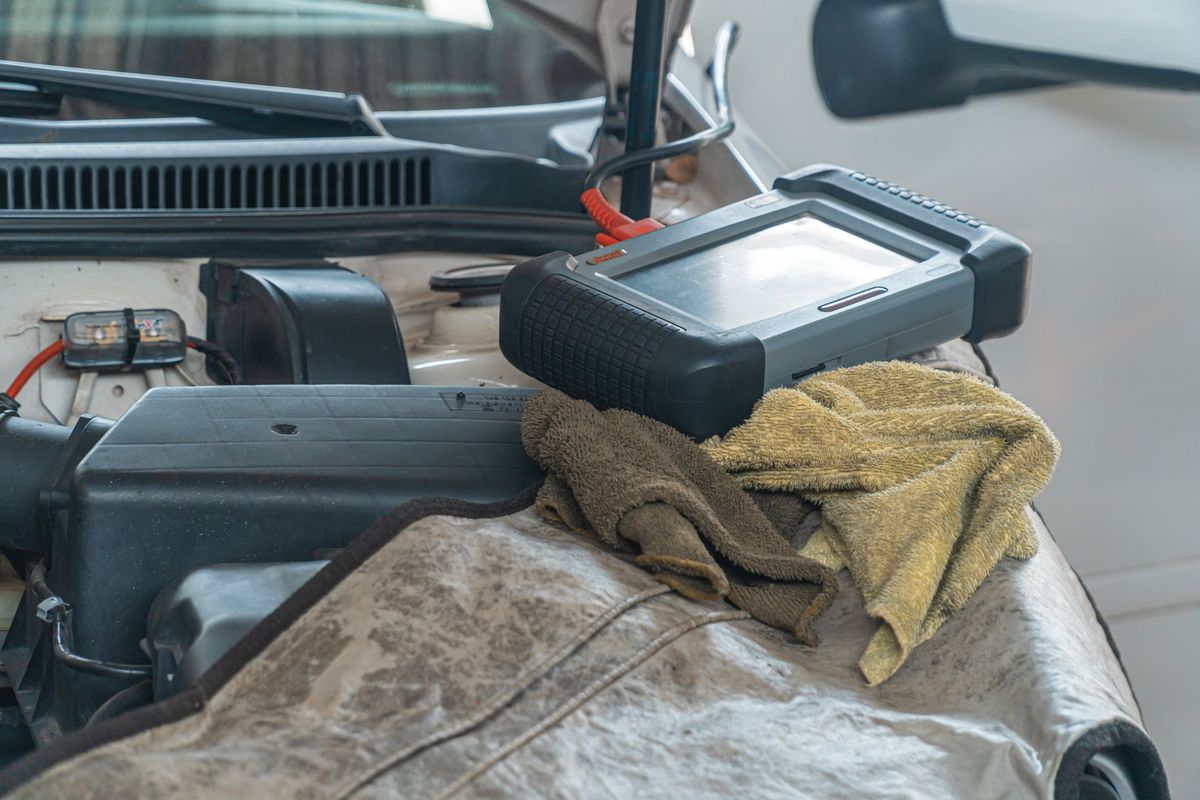
Quick Answer: Pull over at the first safe spot and shut the engine off. A red oil pressure light means the engine may not be getting lubrication, and every extra minute of driving can destroy it. Wait 10 minutes, check the dipstick, and add oil if it’s low. If the light stays on after a top-off, or the oil level is fine, do not drive. Call a tow.
Should I Keep Driving When the Oil Pressure Light Comes On?
No. Stop driving as soon as you can do it safely, because an engine without oil pressure can seize in minutes.
The red oil can symbol means pressure has dropped below a safe level. Bearings, camshafts, and pistons are running with too little oil film between metal surfaces. Damage that costs a few hundred dollars to prevent can become a $4,000 to $8,000 engine replacement.
Put your hazards on, signal, and get to the shoulder or the nearest parking lot. Shift to neutral or park and turn the engine off. Don’t idle it “just to see.” If you’re stuck in traffic on a highway with no shoulder, keep RPMs low and exit at the first opportunity, but stopping fast is always the priority.
What Do I Check Once I’ve Pulled Over?
Check the oil level with the dipstick after the engine has sat for about 10 minutes, so the oil drains back into the pan.
Pull the dipstick, wipe it clean, reinsert it fully, and pull it again. You want the level between the two marks or crosshatched area. Then run through this list:
- Level below the bottom mark: Add the correct grade of oil (it’s printed on the oil cap or in your owner’s manual) in half-quart increments, rechecking each time.
- Oil on the ground under the car: A fresh puddle means a leak. A failed oil filter, a loose drain plug, or a blown gasket can empty an engine fast.
- Burning smell or smoke: Oil is hitting hot exhaust parts. Do not restart.
- Level looks full: The problem is not low oil. See the next section.
If you have no oil with you, a gas station or auto parts store nearby is worth the walk or a ride. Don’t drive to get it.
Can I Restart the Car After Adding Oil?
Only if the oil was clearly low, and only to see whether the light goes out right away.
If you were a quart or two down, topping off can restore pressure. Start the engine and watch the dash. If the light goes out within a couple of seconds and stays out, you can drive gently to a shop, avoiding highway speeds and hard acceleration. Find the leak or consumption problem soon, because the oil went somewhere.
If the light stays on, flickers, or you hear ticking, knocking, or rattling from the engine, shut it off immediately. Knocking means metal is already contacting metal. Every second of running makes the repair bill bigger.
A flickering light at idle that clears when you rev the engine often points to worn bearings or a weak oil pump. A failing oil pressure sending unit can also trigger a false alarm, but you can’t tell the difference by looking. A mechanic with a mechanical gauge can. Until then, treat it as real.
When Should
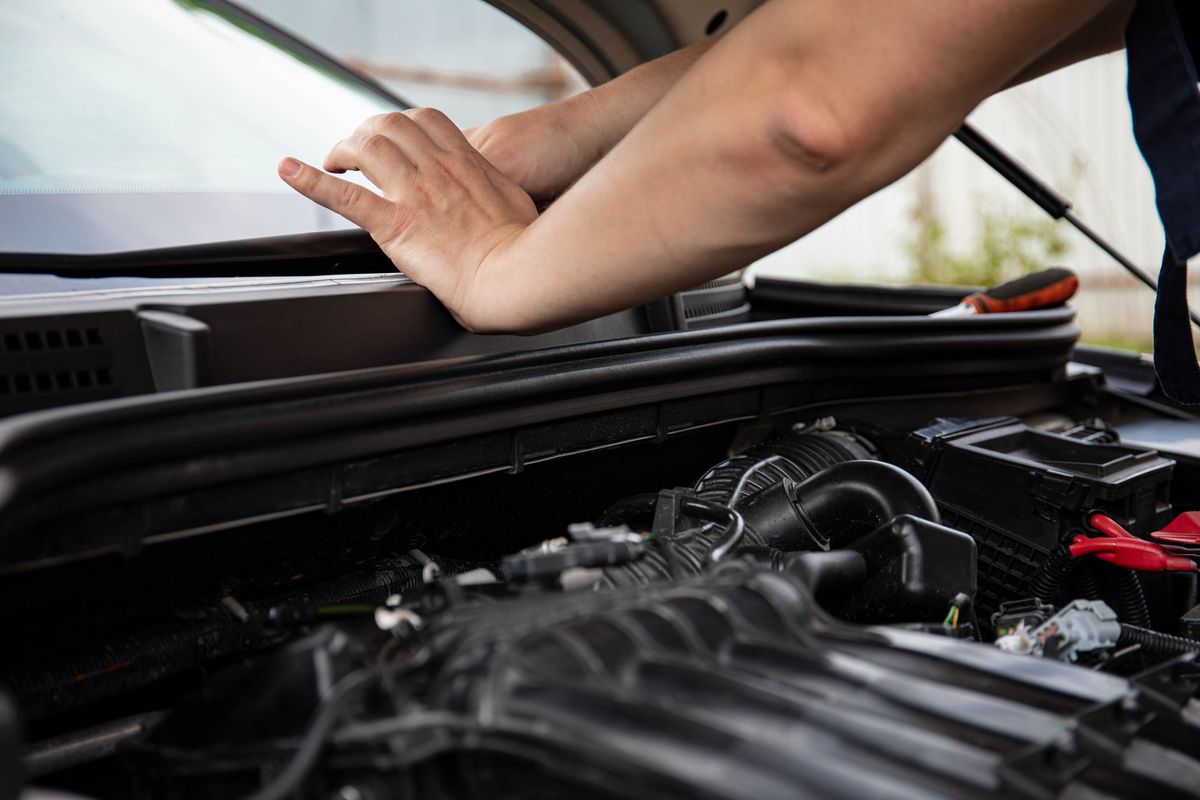 Photo: Pexels
I Call a Tow Truck Instead of Driving?
Call a tow if the oil level is fine, the light stays on after a top-off, you hear engine noise, or you see a significant leak.
Driving “just a few miles” to the shop is how a repairable problem becomes a dead engine. Towing is cheap compared to what you’re risking. If you have coverage, check it first. Roadside assistance often covers towing up to a mileage cap, and it helps to know how far insurance will tow your car for free before the driver arrives. If you have no plan, what you’ll pay without insurance is worth a quick look so there are no surprises.
Tell the dispatcher the engine has an oil pressure warning and shouldn’t be run. A flatbed is the better choice if you can get one, so the engine stays off the whole trip.
What Else Can Cause the Light, and What Will the Repair Cost?
Common causes are low oil, a worn oil pump, a clogged oil filter, a faulty pressure sensor, or worn engine bearings. Costs vary widely by cause.
A sensor swap often runs $100 to $250. An oil and filter change is far less. A new oil pump can run $500 to $1,500 depending on how deep it sits. Bearing damage or a seized engine usually means a rebuild or replacement, often $3,000 or more. Some engines, like certain Subaru and Ford EcoBoost models, are known for burning oil between changes, so a light that appears at 3,000 miles past a change deserves a closer look.
If the warning came with a hot engine, also read about a car overheating on the freeway, since low oil and overheating often show up together.
 Photo: Pexels
Common Questions
Q: How long can I drive with the oil pressure light on? A: Ideally not at all. Damage can start within a minute or two of running without adequate pressure. Pull over as soon as it’s safe.
Q: Is the oil pressure light the same as the check engine light? A: No. The red oil can symbol means low oil pressure and is urgent. The check engine light is a broader fault indicator and is usually less immediate.
Q: Can I just add oil and keep going? A: Only if the dipstick showed low oil and the light goes out after the top-off. If it stays on or the engine makes noise, don’t drive it.
Q: Why did the oil light come on when my oil level is full? A: Likely a failing oil pump, a clogged filter, worn bearings, or a bad pressure sensor. A mechanic needs to test the actual pressure to confirm.
Q: Will my engine be ruined if I drove a short distance with the light on? A: Not always. A few seconds is often survivable, but several miles risks serious damage. Have it inspected, and listen for knocking or ticking.
Need roadside help? Visit Tow With The Flow for real answers when your car breaks down.