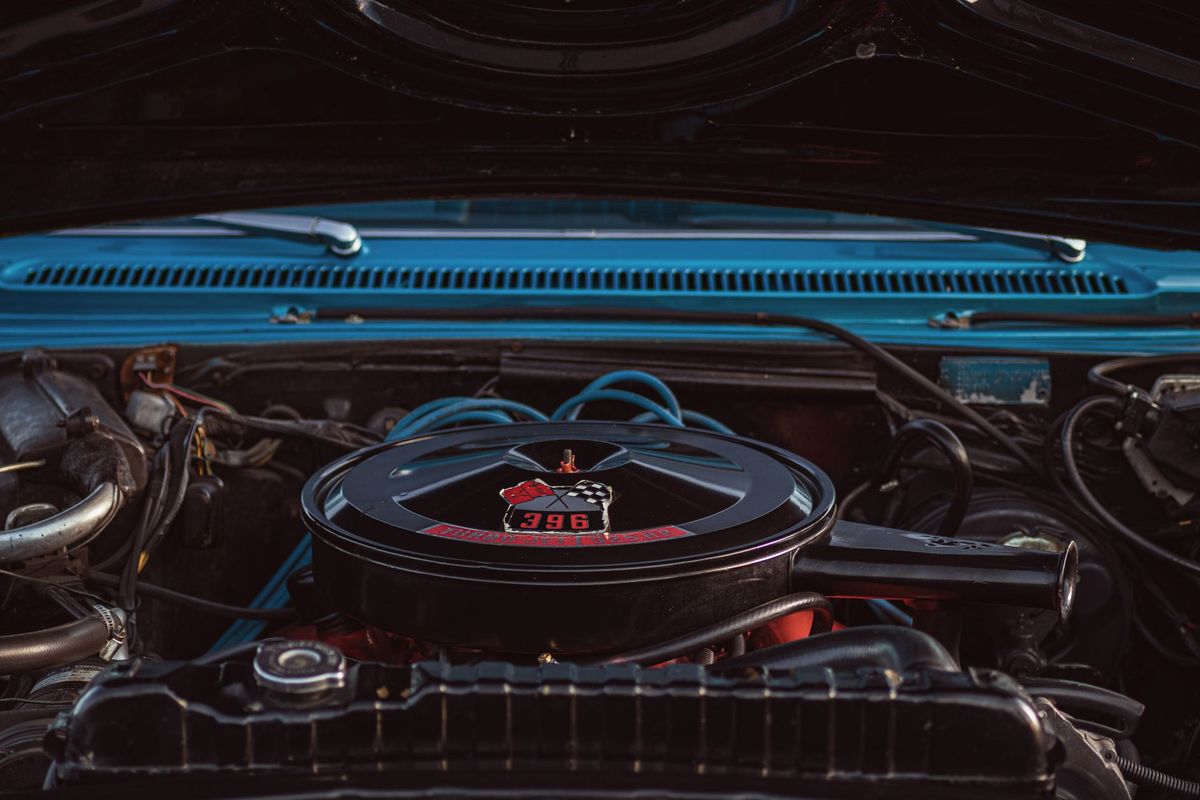
Quick Answer: Yes, pull over. A steady red oil pressure light means the engine may not be getting lubricated, and metal can start grinding within a minute or two. Signal, get to a safe shoulder, shut the engine off, and do not restart it. Check the dipstick after 10 minutes. If the oil is low, you may add oil, but if the light returns or the oil level looks fine, call a tow.
Should I Pull Over Immediately When the Oil Pressure Light Comes On?
Yes, pull over as soon as you can do it safely. The red oil can light (it looks like an old-fashioned oil can with a drip) means oil pressure has dropped below the safe minimum. Every second the engine runs without pressure, bearings and cam surfaces lose their oil film.
Here is the order to do it in:
- Turn on your hazards and signal.
- Ease off the gas. Do not slam the brakes.
- Steer to the right shoulder, or the nearest exit or parking lot if the shoulder is narrow.
- Put it in park and shut the engine off.
- Do not restart it “just to see.”
Don’t try to limp a mile to the next exit if a safe shoulder is right there. A mile at highway speed with no oil pressure is how a $60 problem becomes a $6,000 engine. If you are on a narrow shoulder with fast traffic, stay buckled in and call for help.
Is a Yellow Oil Light Different From a Red One?
Yes, and the color matters. Red means pressure loss, stop now. Amber or yellow oil icons on many newer cars mean low oil level or an oil change reminder, which is less urgent but still worth acting on soon.
A flickering red light at idle that goes out when you rev is a warning, not a pass. It often points to low oil or a failing oil pressure sensor, but you can’t tell which without checking. Treat flickering the same as steady until you’ve looked at the dipstick.
What Should I Check After I Pull Over?
Wait about 10 minutes so the oil drains back into the pan, then check the dipstick. Pull it, wipe it, reinsert it fully, pull it again, and read the level between the two marks.
What you find decides your next move:
- Dipstick dry or below the bottom mark: The engine is low on oil. If you have a quart in the trunk, add it, wait a couple of minutes, and recheck. Most engines need 4 to 6 quarts total, and you may be a quart or two down.
- Oil level is fine: The problem is not low oil. It could be a bad oil pressure sensor, a failing oil pump, or a clogged pickup screen. Do not drive it. Call a tow.
- Oil looks milky or like a chocolate milkshake: Coolant is mixing with the oil, often from a head gasket failure. Do not start it.
- Oil is puddled under the car or sprayed along the underside: You have a major leak, such as a failed oil filter seal or drain plug. Tow it.
If you add oil and the light stays off after restart, you can drive to a shop at low speed and watch the gauge. If the light comes back on even once, shut it off again and tow it.
Can I Drive to a Mechanic With the Oil Light On?
No, not if the light is red and stays on, or comes back after you added oil
 Photo: Pexels
. Driving with confirmed low pressure risks a spun bearing, which often means a full engine replacement. Towing is cheaper.
The exception is a short, careful drive after you topped off a clearly low engine and the light stays out. Even then, go straight to a shop, keep the revs low, and stop at the first sign of knocking, ticking, or the light returning.
A rod knock sounds like a deep, rhythmic metallic hammering from the bottom of the engine. If you hear it, the damage may already be done. Shut it off and don’t touch the key again.
What Will a Tow Cost, and Does It Need a Flatbed?
Costs vary by city, distance, and time of day, so check your local rates. See how much a tow truck costs on weekends if you’re stuck off-hours, and use this flatbed checklist to decide what to ask for. For an engine with a pressure problem, a flatbed is the safer choice because it keeps the drivetrain from turning.
If you have roadside coverage through your insurer or an auto club, call them first. Check how long it takes a tow truck to arrive on the highway so you know what to expect while you wait.
If the light came on alongside smoke or a burning smell, read car engine smoking on highway and get away from the vehicle. For a broader look at this same warning, see oil pressure warning light came on: do I pull over immediately.
 Photo: Pexels
Common Questions
Q: How long can I drive with the oil pressure light on? A: Assume you can’t. Real damage can start in under a minute at highway speed. Shut the engine off at the first safe opportunity.
Q: Can low oil cause the oil pressure light to come on? A: Yes, it is the most common cause. When the level drops far enough, the pump pulls air and pressure falls. Adding the right oil often clears the light if the level was the only problem.
Q: Can a bad sensor trigger the oil pressure light with good oil? A: Yes. A failed oil pressure sending unit can light the dash with healthy pressure. But you can’t confirm that on the roadside, so a good dipstick reading still means tow it and have the pressure tested with a mechanical gauge.
Q: What if the oil light comes on and then goes off while driving? A: Pull over and check the oil anyway. A light that flickers at idle or in turns often means the level is low and oil is sloshing away from the pump. It will come back.
Q: Will my insurance or roadside plan cover a tow for this? A: Most roadside plans cover towing for a mechanical breakdown, up to a mileage limit. Check your policy or membership terms before you call so you know your cap.
Need roadside help? Visit Tow With The Flow for real answers when your car breaks down.