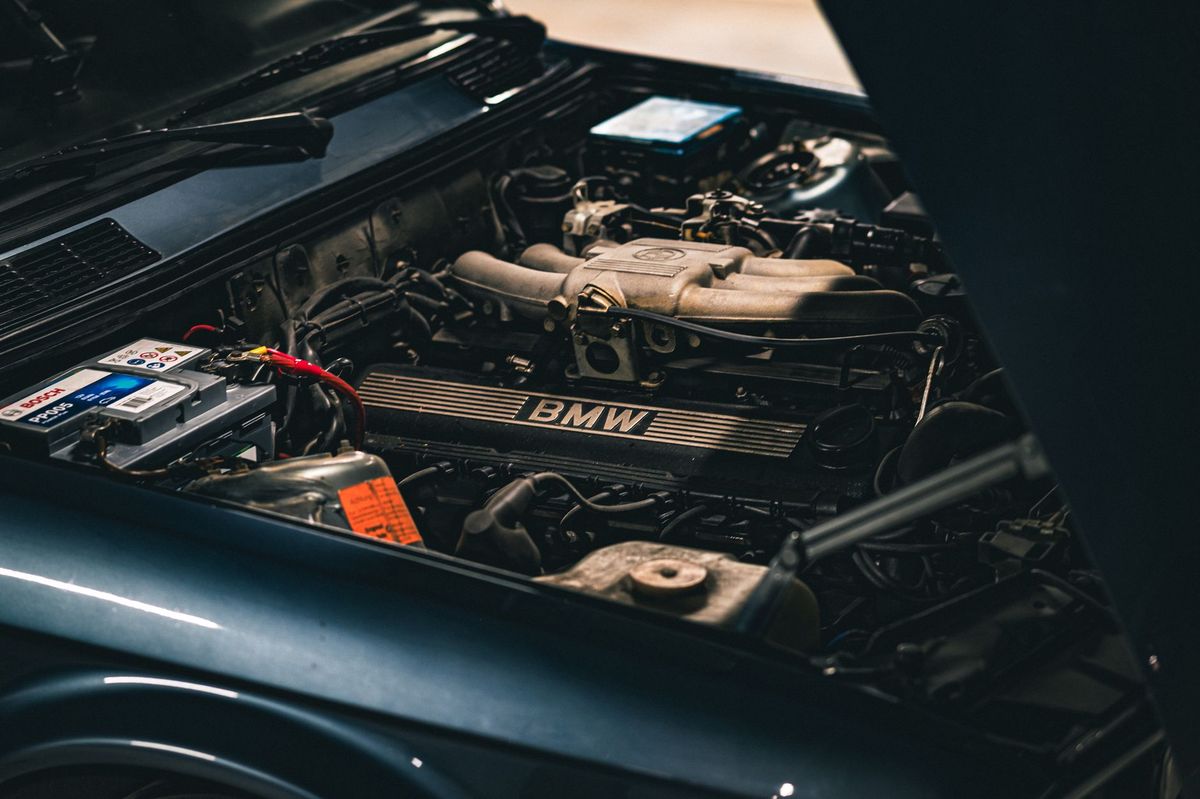
Quick Answer: Yes. Pull over as soon as it is safe and shut the engine off. A red oil pressure light means the engine may not be getting enough oil to its moving parts, and metal can start grinding within a minute or two. Do not “make it home.” Check the oil level once the engine has sat a few minutes. Low oil and a top-off might fix it. If not, call a tow.
Do I Pull Over Immediately When the Oil Pressure Light Comes On?
Yes. Signal, move to the right, and shut the engine off as soon as you can stop safely. The oil pressure light is a red warning, not a yellow suggestion. It means pressure in the oil system has dropped below a safe threshold, and without pressure, bearings, camshafts, and the crankshaft start touching metal to metal.
Do this in order:
- Turn on your hazards.
- Ease off the gas and steer toward the shoulder or the nearest exit. Don’t brake hard unless you have to.
- Shift to neutral and coast if traffic allows. Less load helps.
- Stop, put it in park, and kill the engine.
- Set the parking brake and stay clear of traffic.
If you’re on a freeway, look for a wide shoulder or an off-ramp. Getting a quarter mile farther to a safe spot beats stopping in a live lane. If you’re stuck in a spot with no shoulder, see what to do if your car dies on a highway shoulder.
Is It a Real Problem or Just a Bad Sensor?
It’s a real problem until proven otherwise, because you can’t tell from the driver’s seat. The most common causes:
- Low oil level. The easiest fix and the most common. Engines that burn or leak oil can run a quart or two low between changes.
- Failed oil pump. Rare but serious. The engine is being starved.
- Clogged oil filter or pickup screen. Often from sludge or skipped oil changes.
- Worn bearings. Oil leaks past the worn clearances and pressure drops. This one is an engine rebuild or replacement conversation.
- Faulty oil pressure sensor or sending unit. A cheap part that triggers the light with no real pressure problem.
One tell: if the light flickers at idle but goes out when you rev, that often points to low oil or worn bearings. If it stays on solid and you hear ticking or knocking from the engine, assume the worst and don’t restart it.
How Do I Check the Oil and Decide Whether to Drive?
Wait about five minutes after shutoff so oil drains back to the pan, then pull the dipstick, wipe it, reinsert it fully, and read the level. Park on level ground if you can.
- Dipstick dry or below the bottom mark: You’re low. Add oil to the full mark if you have it or can get it nearby. Use the weight printed on your oil cap, such as 5W-30 or 0W-20. Any quality oil of the right weight is better than none.
- Level is fine: Do not drive. The problem is pressure, not volume. Tow it.
- Oil looks milky or like a coffee milkshake: Coolant is mixing in, which points to a head gasket. See blown head gasket symptoms. Tow it.
- Oil is thin, bla
 Photo: Pexels
ck, and gritty: Overdue for service, possibly sludged. Tow it.
After topping off, start the engine and watch the light. If it goes out and stays out, you can drive gently to the nearest shop, not across the state. If it comes back on, even briefly, shut it off and call for a tow. If the engine makes any knocking sound at all, it’s done for the day.
A running engine with the light on for even a few minutes can turn a $300 repair into a $4,000 engine replacement. Pay for the tow.
How Much Will It Cost to Tow or Fix This?
A tow is almost always cheaper than the engine damage from driving on. A typical local flatbed tow runs roughly $75 to $150 for the hook-up plus a per-mile charge, and rates climb at night and in big metro areas. For city-specific numbers, check your area, such as Houston per-mile towing rates or Atlanta per-mile rates.
Repair costs vary widely:
| Cause | Rough Repair Range |
|---|---|
| Oil top-off and service | $50 to $150 |
| Oil pressure sensor | $100 to $300 |
| Oil pump | $500 to $1,500 |
| Engine damage from running low | Thousands, or a replacement |
Check whether your insurance or a membership program covers a tow. GEICO members can see how many roadside calls per year they get. Ask for a flatbed, since it keeps drivetrain load off a possibly damaged engine.
If the engine already locked up or won’t turn, read about towing a seized engine safely.
 Photo: Pexels
Common Questions
Q: How long can I drive with the oil pressure light on? A: Don’t. Damage can begin within 30 to 60 seconds of real oil starvation. If you must move the car a few feet to a safe spot, do it at idle and shut it off immediately.
Q: Is the oil pressure light the same as the check engine light? A: No. The oil pressure light (usually a red oil can) is an urgent stop-now warning. A steady check engine light is less urgent, though a flashing one is serious. See check engine light flashing and car shaking.
Q: The oil level is full but the light is still on. Now what? A: Don’t drive it. Full oil with no pressure means a bad pump, clogged pickup, worn bearings, or a faulty sensor. Only a shop can tell which, and it’s not worth gambling the engine on a sensor guess.
Q: Can low oil pressure fix itself? A: Occasionally the light flickers because of a marginal oil level or a failing sensor, but it never repairs itself. A light that came on once will usually come back, so get it diagnosed.
Q: Will adding oil turn the light off right away? A: If low oil was the cause, yes, usually as soon as you start the engine. If it doesn’t go off, you have a different problem and need a tow.
Need roadside help? Visit Tow With The Flow for real answers when your car breaks down.