> **Quick Answer:** Raise your hood, tie something bright to your antenna or door handle, and turn on your hazard lights if the battery still has charge. Stay in your car on highways. If you have flares or a reflective triangle, deploy them 100 to 200 feet behind your vehicle. These signals tell passing drivers and highway patrol you need help, without a phone.
## What Do I Do First When My Car Breaks Down and I Have No Phone?
Get off the road as far as possible, then make your car visible. Pull completely onto the shoulder or into a parking area, turn on your hazard lights, and raise your hood. A raised hood is the universal signal for a disabled vehicle. Every driver and every patrol officer knows it.
If your hazards still work, leave them running. Most car batteries will power hazard lights for several hours even after the engine dies, so do not hesitate to use them.
## How Do I Signal Passing Drivers That I Need Help?
Use anything bright and visible tied to the outside of your car. A white cloth, a bright shirt, or even a light-colored bag tied to your antenna, mirror, or door handle works. White and neon colors read well in daylight. At night, any reflective material is better than fabric.
If you have road flares or a reflective triangle in your trunk, now is the time to use them. Place flares or triangles 100 feet behind your car on a straight road, and up to 200 feet back if you are on a curve or a highway with fast-moving traffic. Never stand in a traffic lane to set them up. Walk along the guardrail or the grass edge.
Do not stand behind your car waving your arms. Distracted drivers rear-end parked cars more often than most people expect. Stay off the road surface itself.
## How Do I Get Someone to Actually Stop and Help Me?
On a highway, focus on flagging law enforcement rather than random drivers. Highway patrol and state troopers actively watch for raised hoods and hazard lights. On an interstate, you may not have to wait long before a patrol unit or a highway service truck passes. These trucks, sometimes called Freeway Service Patrols, run regular routes on high-traffic corridors specifically to assist stranded drivers.
If you are on a surface street or a rural road, a raised hand signal toward approaching drivers works. Stand near your car, not in the road, and raise one hand clearly. Most people will stop when they see a person near a vehicle with the hood up.
If a driver stops but you are not comfortable with them, you do not have to get in their car. Ask them to call 911 for you or to call a tow service. That single ask can solve the problem without you going anywhere.
## Is It Safe to Wait Inside the Car or Outside?
On a highway, stay inside the car with your seatbelt on. This is the consistent recommendation from highway safety professionals, because being struck inside a vehicle is far less likely to be fatal than being struck while standing on a shoulder. The exception is if your car is smoking, showing signs of fire, or is positioned where it could be hit from behind with no warning. In those cases, get out and move well away from the road on the opposite side of a guardrail if one is available.
On a quiet surface street or a parking lot, standing near the front of your car is fine. You are visible, and the traffic risk is lower.
If you have a baby or young child in the car and the temperature is extreme, heat or cold becomes the bigger danger. [Knowing when to leave the car versus wait it out](/how-to-stay-safe-waiting-for-tow-truck
*Photo: Pexels*
-on-highway/) depends heavily on your specific situation.
## What Else Can I Use from Inside My Car to Signal for Help?
Look at what you actually have. A compact mirror or any reflective surface can flash sunlight toward approaching vehicles or aircraft. Hold it at an angle and sweep it toward any car or truck you see. This works well during daylight on open roads.
Your car horn can also communicate distress. Three short blasts, three long blasts, and three short blasts is the SOS pattern. Most drivers will not decode the Morse pattern, but repeated honking near a highway rest stop or a tollbooth will draw attention fast.
If your car has a trunk release, pop it. An open trunk is a visual flag that something is wrong.
If you break down on a toll road specifically, there are often emergency call boxes mounted nearby. [Knowing what to do on a toll road breakdown](/car-died-on-toll-road-who-to-call/) can save you a lot of time. Similarly, many highway rest stops have posted emergency contact information on bulletin boards near the restrooms.
A breakdown that could have been avoided, like an ignored oil pressure light or a serpentine belt that was already squealing, is worth mentioning here. If your [oil pressure warning light came on before you stopped](/oil-pressure-warning-light-came-on-driving-what-to-do/), tell the first person who stops exactly what the dash said. That detail helps a mechanic or tow driver assess whether the engine can be moved safely.
---
*Photo: Pexels*
## Common Questions
**Q: Do highway call boxes still exist and where do I find them?**
A: Yes, many interstates and state highways still have emergency call boxes, typically mounted on blue or orange posts along the shoulder every half mile to one mile in higher-traffic areas. Look for a small rectangular box on a pole near the guardrail. Push the button and a dispatcher connects directly.
**Q: What if I break down at night with no phone and no flares?**
A: Keep your hazard lights on, raise your hood, and tie the lightest-colored item you have to the outside of the car. Stay inside with your seatbelt on. A passing patrol car will spot the hazards. If your battery dies, crack a window and wait. Night patrols on interstates run continuously.
**Q: Can I flag down a semi-truck driver for help?**
A: Yes, and it is often a good choice. Truckers carry CB radios and can contact dispatch or other drivers to relay your location and situation to authorities. Stand near the front of your car and wave clearly as they approach. Do not step into the travel lane.
**Q: What should I tell the first person who stops?**
A: Your location as specifically as you can describe it (highway number, direction of travel, nearest mile marker or exit sign), what happened to the car, and whether anyone in the vehicle needs medical attention. That gives them exactly what 911 or a tow dispatcher needs.
**Q: How long before someone finds me if I'm on a remote road?**
A: On a U.S. interstate, usually under an hour before a patrol or service vehicle passes. On rural state routes or county roads, it can be several hours. If you told someone your route before you left, they can report you missing and narrow down your location. Going forward, [roadside assistance coverage](/roadside-assistance-worth-it-if-you-have-insurance-already/) is worth adding before your next long drive.
---
*Need roadside help? Visit [Tow With The Flow](https://towwiththeflow.com/how-to-signal-for-help-car-breaks-down-no-phone/) for real answers when your car breaks down.*
How to Signal for Help If Your Car Breaks Down and You Have No Phone
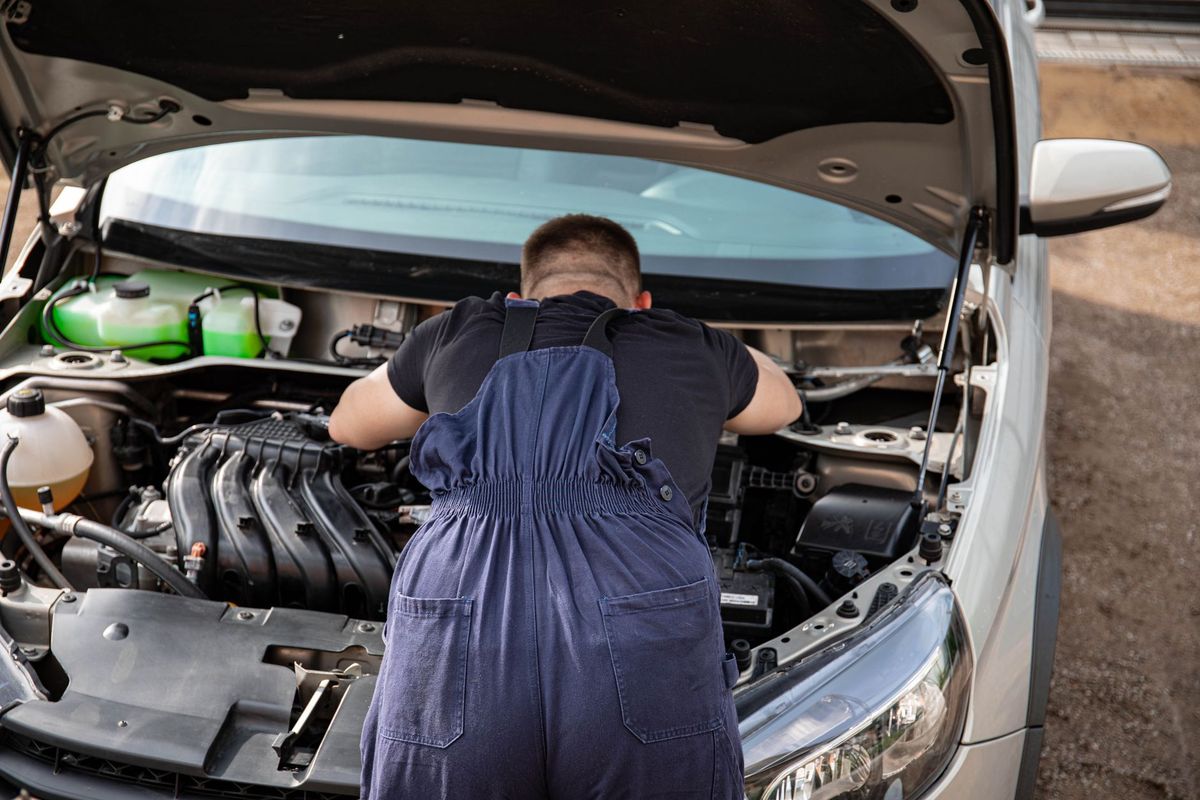
Photo: Pexels