> **Quick Answer:** A 100-mile interstate tow typically runs $250 to $600 without roadside assistance coverage. Most tow companies charge a hookup fee of $50 to $100, then $3 to $5 per mile after that. At $4 per mile over 100 miles, you're looking at $450 to $500 before any extras. Call your insurance or roadside membership first. You may owe nothing.
## How Much Does a 100-Mile Tow Actually Cost?
Expect to pay $250 to $600 for a 100-mile interstate tow if you're paying out of pocket. The hookup fee (also called the base rate or dispatch fee) runs $50 to $100, and the per-mile rate stacks on top of that. At $4 per mile, 100 miles adds $400. Some rural or late-night dispatches push that per-mile rate to $5, landing you near $600 before any extras.
Flatbed towing costs more than wheel-lift. If your car has all-wheel drive, a damaged driveshaft, or a low front end that can't be dollied, a flatbed is required. Factor in an extra $50 to $100 on top of the base price for that. Fuel surcharges showed up post-2021 on many carriers and can add another $20 to $50 depending on the route.
If you broke down near a major interstate interchange, getting a tow company to respond is usually faster and sometimes cheaper than breaking down on a rural two-lane that feeds the highway. Distance from the dispatch yard matters: a company 5 miles away quotes you less than one driving 40 miles to reach you.
## Does Insurance or a Membership Cover a 100-Mile Tow?
It depends on your plan, and the details matter more than most people realize before they're stranded.
Basic roadside assistance riders through State Farm, GEICO, and USAA typically cap towing reimbursement at a flat dollar amount, often $75 to $100 per tow. That covers a short local tow, not a 100-mile haul. Some insurers reimburse you later rather than paying the driver directly, which means you're fronting the full cash amount on the side of the road. Check your policy now, not when the tow truck shows up.
AAA covers towing distances based on membership tier. Classic members get up to 5 miles per tow. Plus members get 100 miles. Premier gets 200 miles. A 100-mile interstate tow is fully covered under AAA Plus or Premier at no extra charge. If you have AAA Classic, you'll pay the per-mile rate on everything beyond 5 miles.
USAA's roadside assistance limits also vary by the coverage you added. [Does USAA Roadside Assistance Cover Towing Cost](/does-usaa-roadside-assistance-cover-towing-cost/) breaks down exactly what's included and what you'll owe.
## What Happens If I Can't Afford the Tow Right Now?
You have a few real options, and none of them require you to just sit there.
Call your auto insurance company first. Even if your policy only reimburses instead of dispatching, getting confirmation that you'll be reimbursed may let you negotiate a credit card hold with the tow operator instead of immediate payment. Most companies will work with you if you're upfront.
If you have no coverage and no cash, ask the tow company if they can drop your car at the nearest reputable shop or storage facility. Paying for a 10-mile tow to a local mechanic is far cheaper than 100 miles, and it gets your car off the highway shou
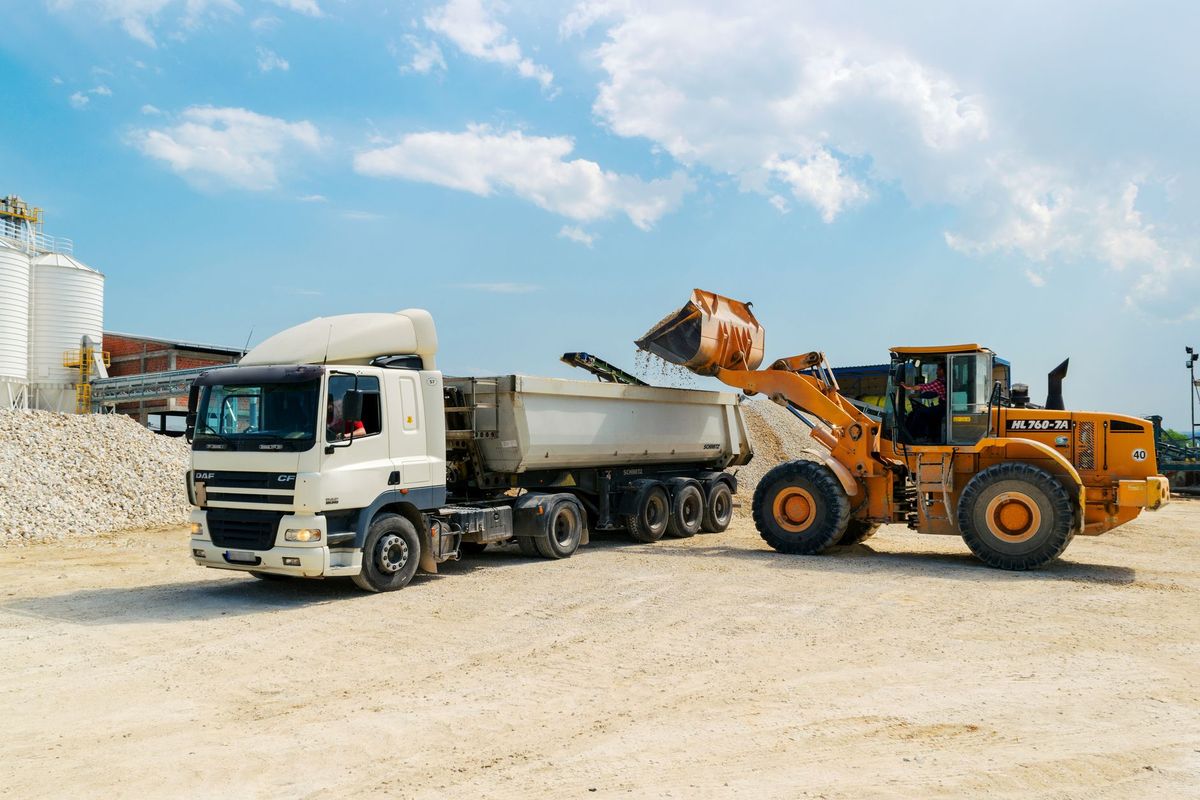
*Photo: Pexels*
lder, which is the immediate priority. From a shop, you can arrange the second leg of the tow on your own terms.
If money is the actual barrier and your car isn't blocking traffic, some states allow you to call 511 (the national traveler information line) for guidance on non-emergency roadside resources. It varies by state.
## Is a 100-Mile Interstate Tow Safe for My Car?
A flatbed tow is the safest option for any vehicle on a long haul. All four wheels are off the ground and the car rides level, which protects the drivetrain, steering, and suspension from road vibration over 100 miles.
Wheel-lift towing, where two wheels stay on the ground, is fine for short distances on low-speed roads. Over 100 miles at highway speed, it's riskier. The tow truck's speed is limited (usually 55 mph by law), but extended time on the dolly stresses the steering rack and can cause uneven tire wear or worse if there's already mechanical damage.
If your car broke down because of a transmission failure or a seized engine, confirm with the tow driver that they're aware before they hook up. Some failure modes require the driveshaft to be disconnected before towing even a short distance. [Transmission Failed on Highway: Tow or Drive to Shop?](/transmission-failed-on-highway-tow-or-drive-to-shop/) covers exactly what to tell the driver in that situation.
If your car overheated and you're worried about hidden engine damage, don't risk driving it to save money. [Car Overheating Towing Cost vs Driving to the Mechanic](/car-overheating-towing-cost-vs-driving-to-mechanic-risk/) lays out when the tow is genuinely worth it versus when you can limp it in.
---

*Photo: Pexels*
## Common Questions
**Q: What is the average per-mile towing rate on the interstate?**
A: Most tow companies charge $3 to $5 per mile on top of a $50 to $100 hookup fee. On the interstate, expect rates at the higher end if you're in a rural stretch far from the nearest dispatch yard.
**Q: Can I negotiate the price of a long-distance tow?**
A: Yes, especially if you call multiple companies. Get at least two quotes before committing. Some operators will match a competitor's rate or waive the fuel surcharge if you ask directly.
**Q: Will the tow truck driver go 100 miles on the highway?**
A: Most will, but confirm before they hook up. Some local operators limit their range and will hand off to a long-haul carrier. That handoff can add cost and delay, so ask about the full route upfront.
**Q: Does my credit card roadside assistance cover a 100-mile tow?**
A: Some premium Visa and Mastercard benefits include roadside assistance, but reimbursement caps are usually $50 to $100 per incident. Check the back of your card's benefits guide or call the number on the back of your card before assuming you're covered.
**Q: How long does a 100-mile tow take?**
A: Add the driver's travel time to reach you (could be 30 to 90 minutes) plus roughly 2 hours of driving at the legal tow speed of 55 mph. Budget 3 to 4 hours total from the time you call to the time your car is at the shop.
---
*Need roadside help? Visit [Tow With The Flow](https://towwiththeflow.com/how-much-to-tow-car-100-miles-interstate/) for real answers when your car breaks down.*
How Much to Tow a Car 100 Miles on the Interstate: What You'll Pay Right Now
Photo: Pexels