> **Quick Answer:** Police can tow your car in as little as 1 hour on an active freeway or in a no-parking zone. On a regular road shoulder, most jurisdictions wait 24 to 72 hours before calling it abandoned. The specific road type, state law, and whether your hazards are on all affect how fast that clock runs. Active freeways move fastest.
## How Long Do Police Actually Give You Before They Tow Your Car?
There is no single national rule. On a high-speed freeway shoulder, officers can initiate a tow immediately or within 1 to 4 hours if your car is a traffic hazard or blocking emergency access. On a surface street or residential road, most states treat a vehicle as abandoned after 24 to 72 hours, and some give up to 5 days before they can legally tow without the owner present.
The biggest factor is road type. Freeways operate under different rules than city streets, and both differ from private property. A car sitting on I-70 in Kansas at rush hour is a liability. A car sitting on a quiet neighborhood street is a nuisance, but not an emergency.
## What Makes Police Tow a Car Faster Than Normal?
Officers can order an immediate tow if your car creates a specific hazard. This includes blocking a travel lane, sitting within a no-parking zone, obstructing a fire hydrant, being involved in an accident, or being parked on a bridge or in a tunnel.
They can also accelerate the timeline if the vehicle has no license plates, has expired registration, or shows signs of being abandoned: no hazard lights, flat tires, broken windows, or has clearly been there for days. A car that looks like someone is coming back gets more grace than one that looks dumped.
If you leave your car on a freeway shoulder, put on the hazard lights, leave a note on the windshield with your name and a callback number, and call for a tow immediately. That combination signals you are the owner and you are handling it. It will not guarantee anything, but it tells dispatchers the car is not abandoned.
## Does It Matter Which State You Are In?
Yes, and the differences are significant. California requires 72 hours on a public street before a car is classified as abandoned and can be towed. Texas gives local authorities authority to remove a vehicle from a highway right-of-way immediately if it poses a danger, but typically allows 48 hours on a regular road. Florida gives 24 hours on a highway and 48 to 72 hours on city streets. Some municipalities layer their own ordinances on top of state law, which can shorten those windows further.
Highway patrol in states with high freeway traffic, like California, Texas, and Illinois, actively patrol shoulders and contact owners or dispatch tow trucks quickly. Do not assume you have 24 hours if you broke down on a congested expressway. If you are on a major metro freeway at any time, treat the clock as running from the moment you stopped.
## What Happens to Your Car After Police Order the Tow?
It goes to an impound lot, not a mechanic of your choice. Once it is impounded, you owe a tow fee, daily storage fees, and in some states an administrative or police processing fee. Daily storage at an impound lot typically runs $35 to $75 per day, and fees start accruing the day it arrives. Waiting a week to retrieve it can cost more than a short-distance tow would have.
You also have a window to claim it befor
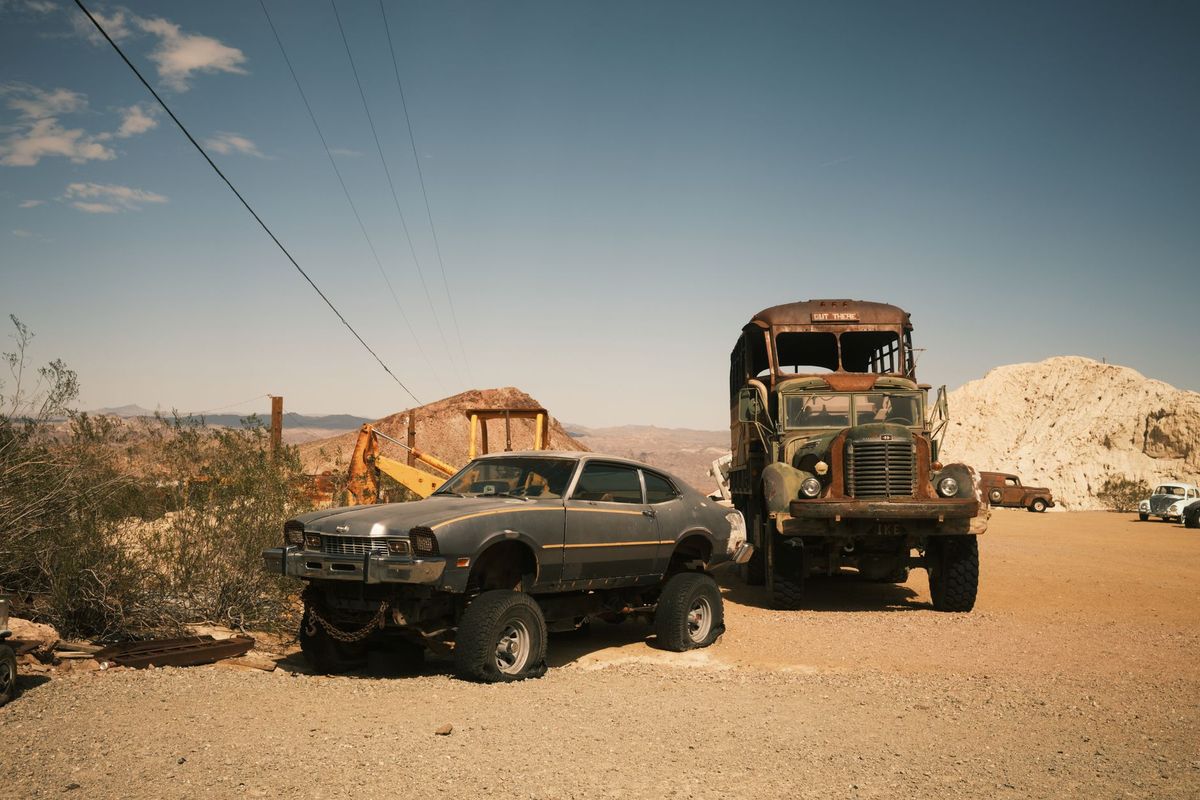
*Photo: Pexels*
e the state can begin the process of declaring it abandoned property and disposing of it. That window varies by state but is typically 15 to 30 days. Miss it and you may lose the vehicle entirely or owe more than it is worth.
If you are stuck and unsure how to handle the tow itself, read through [how to stay safe waiting for a tow truck on the highway](/how-to-stay-safe-waiting-for-tow-truck-on-highway/) before you leave the vehicle. And if the breakdown happened at night, [what to do if your car breaks down on the highway at night alone](/what-to-do-if-car-breaks-down-on-highway-at-night-alone/) covers the safety side in detail.
## How Do You Stop the Clock and Keep Control of Your Own Tow?
Call a tow truck before police do. The moment you arrange your own tow, you are the one choosing where the car goes. If police arrive first and call their contracted tow company, you lose that choice, and those contracts often have higher rates.
Stay with the vehicle if it is safe to do so. On a freeway shoulder, standing outside is dangerous. Get behind the guardrail. On a surface street, staying near the car and having hazard lights on signals that the vehicle is not abandoned.
If you cannot stay, leave a note with your name, phone number, and a clear statement that you have a tow en route. Take a photo of the note on the windshield. That timestamp can matter if there is a dispute about when the vehicle was deemed abandoned. [Understanding what your insurance covers for a breakdown tow](/does-insurance-cover-towing-if-car-breaks-down-not-accident/) can help you move fast on calling the right service.
---

*Photo: Pexels*
## Common Questions
**Q: Can police tow my car immediately without warning?**
A: On a freeway or in a posted no-parking zone, yes. If your car is blocking traffic or poses an immediate hazard, law enforcement can order an immediate tow without prior notice. On a regular street, they typically must mark the vehicle or give a notice period first.
**Q: If my car gets impounded, can I pick it up the same day?**
A: Usually yes, as long as the impound lot is open and you have your title, valid ID, and cash or a card to pay the tow and storage fees. Call ahead to confirm what documents they require before you drive over.
**Q: Does having current registration protect my car from being towed faster?**
A: It helps. A car with valid plates and registration is much less likely to be flagged as abandoned quickly. Expired registration is a flag officers use to justify a faster tow, especially on highways.
**Q: What if I cannot get back to my car for 24 hours, is it definitely gone?**
A: Not necessarily on a city street, but do not assume it is safe. Call the local non-emergency police line and tell them your vehicle is disabled at that location and you are arranging a tow. Get the name of the person you spoke with. This creates a record that the car is not abandoned.
**Q: Who pays for the impound tow if police called the truck?**
A: You do. Police-ordered impound tows are the vehicle owner's financial responsibility. Your roadside assistance or auto insurance may reimburse part of it, but you pay the lot directly to get the car released.
---
*Need roadside help? Visit [Tow With The Flow](https://towwiththeflow.com/how-long-can-you-wait-on-side-of-road-before-police-tow-your-car/) for real answers when your car breaks down.*
How Long Can You Wait on the Side of the Road Before Police Tow Your Car
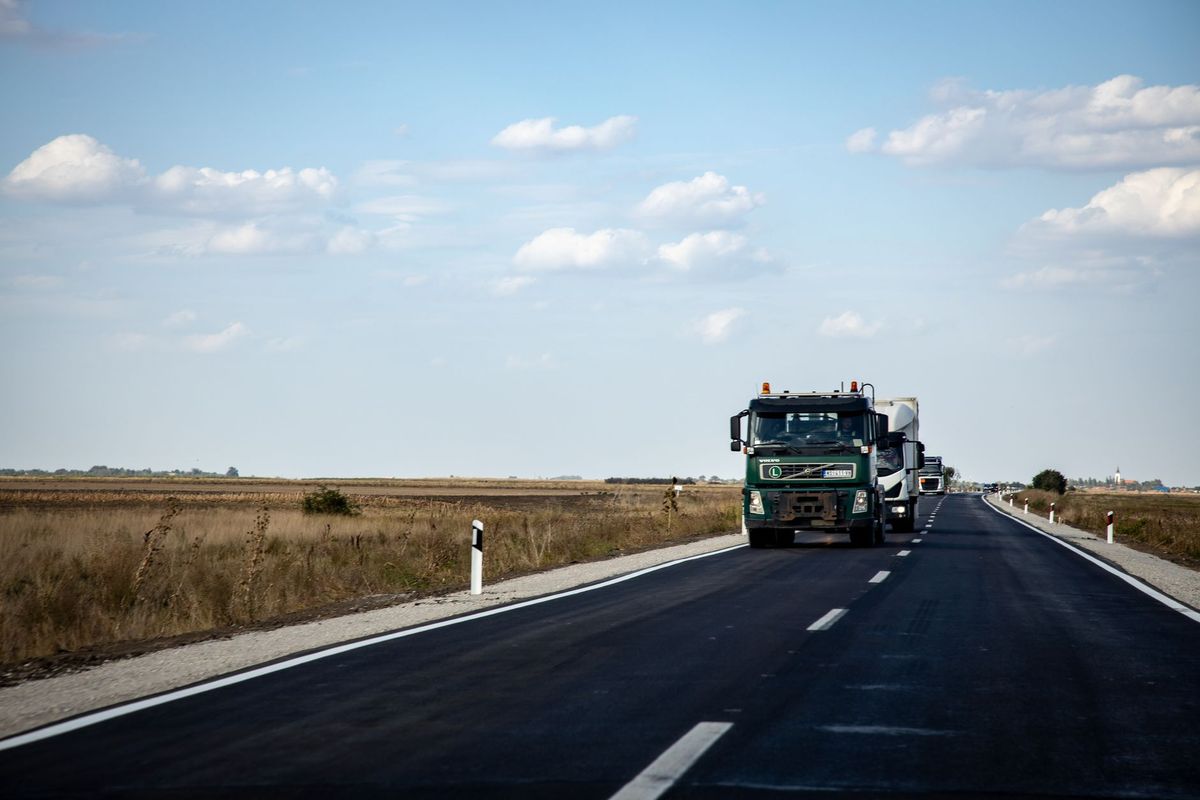
Photo: Pexels