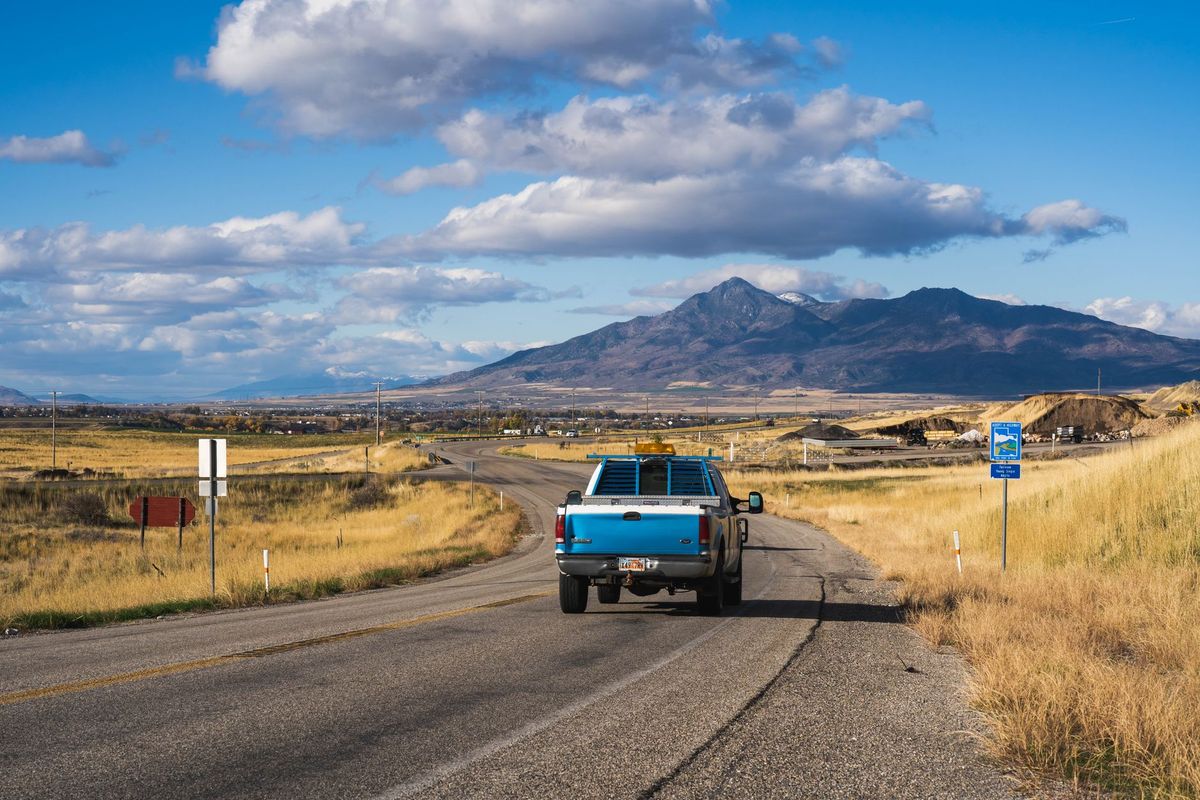
Quick Answer: Most highway tows arrive in 30 to 60 minutes. Once you pass 90 minutes with no confirmed ETA, escalate: call the dispatcher back, request a second provider, or ask for a state patrol check on your location. The real limit is safety, not time. If you can’t safely stay in or near the car, you shouldn’t be waiting there at all.
How Long Is Too Long to Wait for a Tow Truck on the Highway?
Past 90 minutes without a confirmed ETA is too long. A normal highway wait runs 30 to 60 minutes, and rural stretches or bad weather can push that to an hour and a half.
Use this as your clock:
- 0 to 45 minutes: Normal. Stay put and stay safe.
- 45 to 90 minutes: Call dispatch for a live ETA. “On the way” is not an ETA. Ask for the driver’s name and truck number.
- 90 minutes or more: Stop waiting on one provider. Start a second request while the first stays open, then cancel whichever arrives later.
For a deeper look at what drives arrival times, see how long it takes for a tow truck to arrive on the highway.
Is It Safe to Wait on the Highway Shoulder?
It’s only safe if you do it right, because the shoulder is one of the most dangerous places you can stand. Drivers drift onto shoulders, and a parked car is a target, especially at night or in rain.
Do this:
- Get the car as far right as possible. Turn your wheels away from traffic so a hit pushes the car off the road, not into lanes.
- Hazard lights on. At night, add your dome light so police can see inside.
- Get out on the passenger side and move well away from the car, behind the guardrail if one exists. Standing between your car and traffic is how people get killed.
- Keep seatbelts off only if you’re exiting. If you stay inside, keep them buckled.
- Never stand behind the car to wave at traffic or set up flares in the travel lane.
If you’re on a narrow shoulder with no room to exit away from traffic, stay buckled inside with hazards on and call 911. Rule of thumb: a car is replaceable, you are not.
What Do I Do If the Tow Truck Never Shows Up?
Call the dispatcher, not the driver, and demand a live ETA tied to a named driver. If they can’t give one, they’ve lost the call or never dispatched it.
Then escalate in this order:
- Second provider: Call another tow company or your roadside program and open a new request. Don’t cancel the first until a truck is actually in sight.
- Highway patrol or state police: On interstates they can log your location and check on you. Use 911 if you feel unsafe, and the non-emergency line otherwise. Many states also run service patrols that assist on busy corridors. Check your state DOT’s traffic app or dial 511 for road conditions and local help.
- Your insurer or AAA: Ask them to escalate. They often have a priority line to local operators.
Full playbook here: [tow truck taking too long, your options right now](/
 Photo: Pexels
tow-truck-taking-too-long-what-are-my-options-roadside/).
What Should I Tell Dispatch So the Truck Finds Me Faster?
Give them the exact direction of travel, the nearest mile marker, and the next exit. “I-70 eastbound near mile marker 245, past the Idaho Springs exit” gets you found. “On the highway somewhere” does not.
Details that cut your wait:
- Mile marker or the last exit you passed
- Direction of travel (eastbound, northbound)
- Which shoulder: right or left/median
- Vehicle color, make, and plate
- Whether the car is drivable, AWD, or lowered. A low car or AWD vehicle needs a flatbed, and sending the wrong truck costs you another hour.
Drop a pin in your phone’s map app and text it to dispatch. GPS coordinates beat verbal descriptions every time.
Should I Stay in the Car or Wait Outside?
Wait outside and away from the car on a highway with fast traffic. Stay inside only when conditions make outside more dangerous, like a narrow shoulder, a storm, or an unsafe area at night.
Inside is better when:
- The shoulder is too narrow to stand clear
- There’s lightning, heavy rain, or extreme cold
- You feel threatened. Lock the doors, hazards on, call 911
Outside is better when:
- Traffic is heavy and fast
- There’s a guardrail or embankment to stand behind
- The car is smoking or leaking. Get far away from it
Traveling with a child or infant changes the math. See stranded on the highway with a baby.
 Photo: Pexels
Common Questions
Q: How long should a tow truck take to get to me on the highway? A: Expect 30 to 60 minutes in most areas. Rural highways, rush hour, storms, and holidays can stretch that past an hour. Ask dispatch for a specific ETA, not a vague “soon.”
Q: Can I leave my car on the highway shoulder and walk away? A: Walking on a highway is dangerous and often illegal, and an unattended car may be ticketed or towed by police. If you must leave, move to a safe spot well off the roadway and call for help. Don’t walk along the shoulder.
Q: Is there a legal limit on how long a car can sit on the highway shoulder? A: It varies by state, and many highways allow only a few hours before police may have it removed. A disabled vehicle with hazards on gets some leniency, but don’t count on it past a couple of hours.
Q: Should I call the police if the tow truck is late? A: Yes, if you feel unsafe or are on a busy interstate. Call 911 for danger and the non-emergency line otherwise. They can check on you and sometimes dispatch a service patrol.
Q: Can I get a second tow truck if the first one is taking too long? A: Yes. Open a second request while keeping the first active, and cancel whichever arrives later. Cancel only once a truck is physically in sight.
Need roadside help? Visit Tow With The Flow for real answers when your car breaks down.