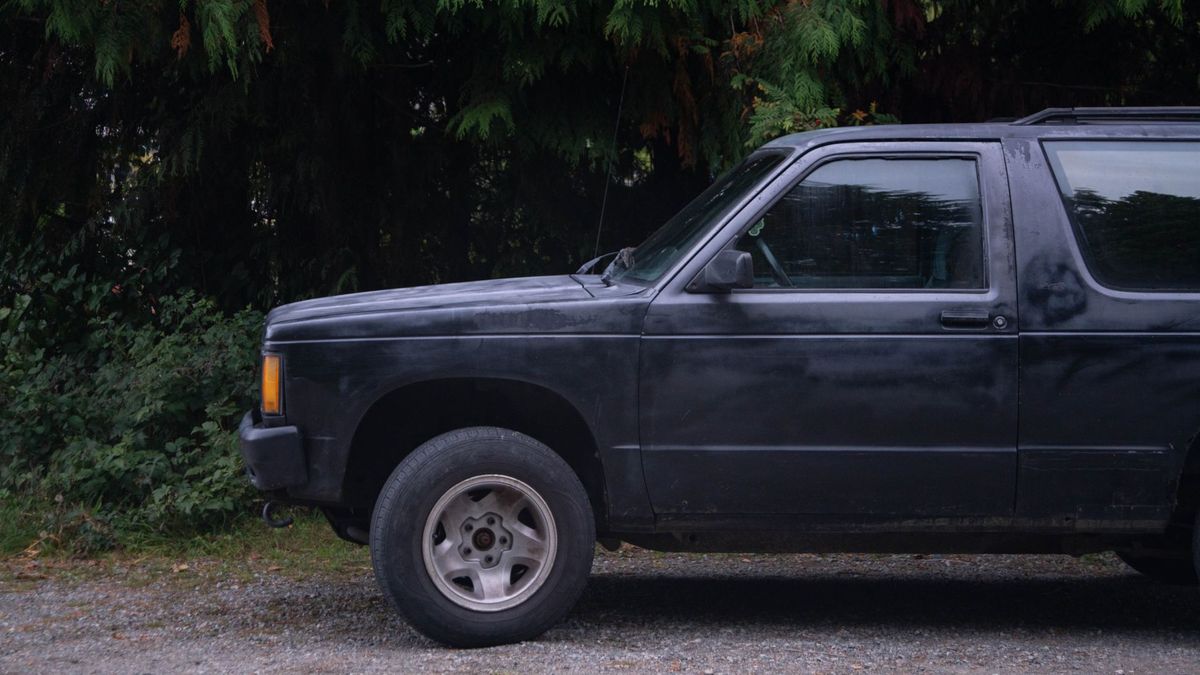
Quick Answer: Most donut spares are rated for about 50 miles at a maximum of 50 mph. Some are rated for up to 70 miles, so check the sidewall and your owner’s manual. The tire has shallow tread and a lightweight build, so heat and wear build up fast. Drive straight to a tire shop, avoid the highway if you can, and replace it with a full tire as soon as possible.
How Many Miles Can You Actually Drive on a Donut Spare?
Plan on 50 miles or less, and keep your speed at 50 mph or below. That’s the common rating printed on the spare’s sidewall or the warning sticker near it. Some vehicles list 70 miles, and a few list less. Check the sidewall for a “TEMPORARY USE ONLY” label and read your owner’s manual for the exact limit.
Those numbers are a ceiling, not a target. A spare that has sat in your trunk for six years may have lost pressure and have dry-rotted rubber. Treat the rated distance as the best case and head for a tire shop immediately.
Why Does a Donut Tire Fail So Fast?
A donut fails because it’s built to be light and cheap, not durable. The tread is shallow, often around 3/32 of an inch less than a standard tire, and the sidewalls are thin. It also runs at a much higher pressure than your regular tires, usually 60 psi, which gives it a small contact patch and very little grip.
Three things wear it out quickly:
- Heat. Speed above 50 mph builds heat the thin casing can’t shed. That’s how blowouts happen.
- Age. Rubber breaks down even when the tire is never used. Cracks in the sidewall mean it should not go on the car.
- Low pressure. Spares are rarely checked. Many are soft or flat when you finally need them.
If you can, check the pressure the moment it’s mounted. A gas station air pump works, but drive slowly to get there.
What Should I Do Right After Putting the Donut On?
Check the lug nuts, check the pressure, and plan a short, slow route to a tire shop. The first thing is torque: retighten the lug nuts after a few miles, since wheels can loosen after a fresh swap. Then look at the spare’s pressure against the number on its sidewall, often 60 psi.
Then drive differently:
- Stay under 50 mph, even if traffic wants more. Hazard lights on if you’re going noticeably slower than the flow.
- Take surface streets when possible. A highway pushes you toward speeds the donut can’t handle.
- Brake and corner gently. The donut has less grip, so sudden moves can cause a skid.
- Skip the long trip. Don’t take the donut to work, home across town, and then somewhere else. Go to the shop.
If the flat happened on a fast road and changing it looks unsafe, read flat tire on highway too dangerous to change before you step out of the car. And if the tire blew out at speed and shredded, blew a tire on the freeway: what to do next covers the sequence.
Does a Donut Spare Affect Braking, Handling, and My Car’s Drivetrain?
Yes. A donut is small
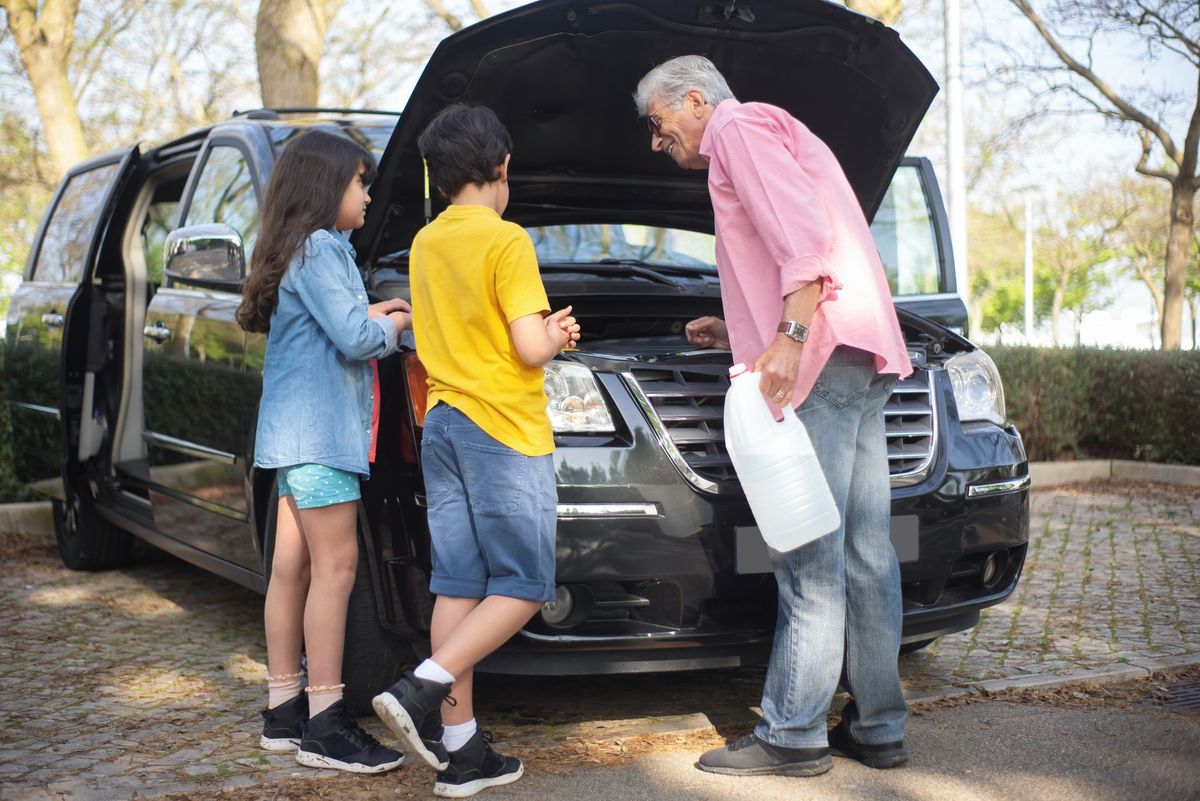 Photo: Pexels
er than your other tires, so it spins faster to cover the same distance. On a front-wheel-drive car with the donut up front, that can confuse the traction control and stability systems and cause steering to pull. On an all-wheel-drive car, the mismatch can strain the center differential or transfer case because the system sees one wheel turning at a different rate than the rest.
If you have AWD, don’t treat the 50-mile rating casually. Use the donut only to get to a shop, and keep the distance as short as you can. If you’d rather not drive on it at all, the safer move is to call for a flatbed. Towing a car with all wheel drive: damage risks explains why drivetrain damage matters here, and how to know if my car needs a flatbed tow helps you decide.
Should I Call for a Tow Instead of Driving on the Donut?
Call for a tow if your trip to the shop is longer than the rated range, your spare is old or soft, or you’re on a fast road with no safe way to slow down. A tow costs money, but a blowout at 65 mph on a donut costs more. If your tire shop is within 10 or 15 miles and the donut looks healthy, driving slowly is usually fine.
Check your coverage first. Many policies and memberships include a tire change or a tow for exactly this. Does roadside assistance cover a dead battery jumpstart shows how these benefits are typically structured, and the same logic applies to flat tire service.
 Photo: Pexels
Common Questions
Q: How fast can I drive on a donut spare? A: Keep it at 50 mph or below unless your spare’s sidewall or manual lists a different limit. Heat builds quickly above that and raises the chance of a blowout.
Q: Can I drive a donut tire on the highway? A: You can legally, but it’s a poor idea. Highway speeds push past what the donut is built for. If you must use a highway, stay in the right lane, run at 50 mph or less, and exit as soon as you reach a safe route to a shop.
Q: Can I drive 100 miles on a donut spare? A: Not safely. The typical rating is 50 miles, with some up to 70. Going 100 miles risks overheating, tread separation, and drivetrain strain. Call for a tow instead.
Q: How do I know if my donut spare is too old to use? A: Look for cracks in the sidewall, dry or brittle rubber, bulges, or a tire that won’t hold air. If the spare is more than about six years old, it’s likely unreliable even with good-looking tread.
Q: Can I put a donut spare on the front or rear? A: Rear is better on a front-wheel-drive car because it protects steering and traction. If the flat is on the front of a front-wheel-drive car, some owners move a good rear tire forward and put the donut in back. Check your manual for guidance.
Need roadside help? Visit Tow With The Flow for real answers when your car breaks down.