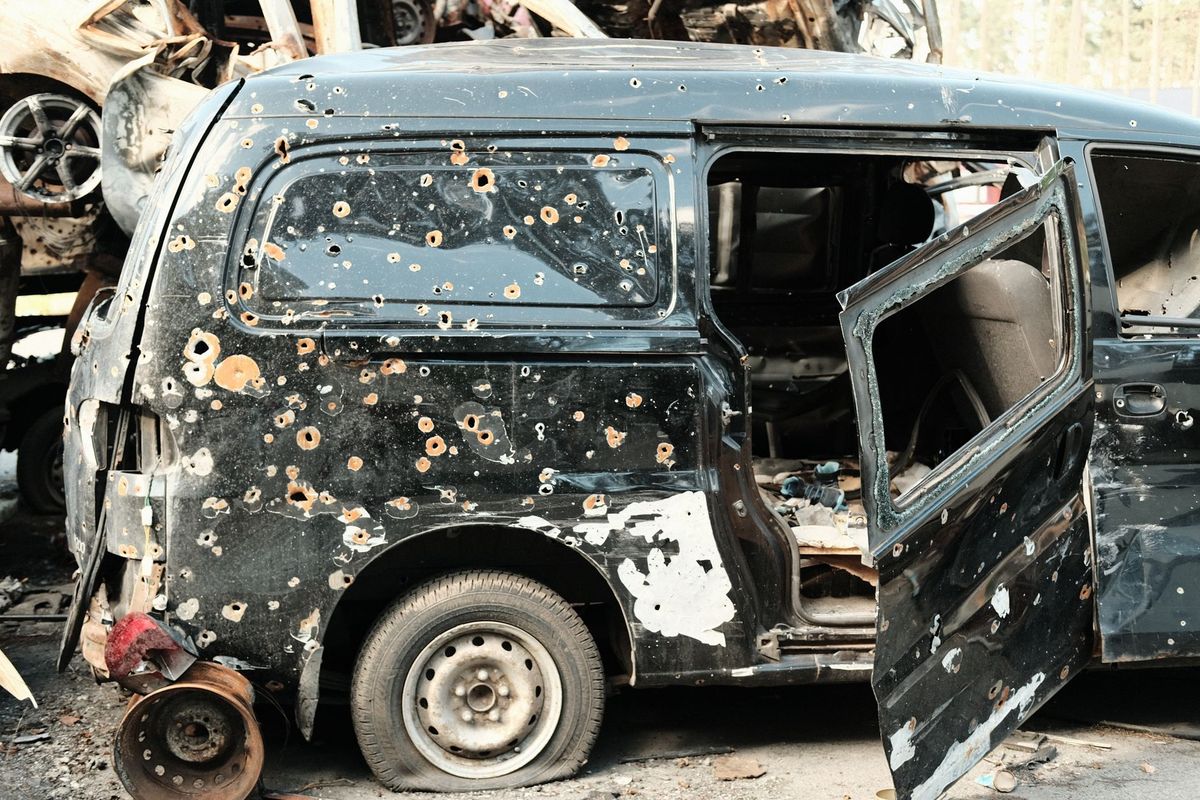
Quick Answer: If the shoulder is narrow, traffic is fast, or you’re on a curve or hill, don’t change the tire. Get your car as far right as you can, turn on your hazards, and stay buckled in or get behind a guardrail if you can’t be seen. Call 911 if you feel unsafe, then call roadside assistance or a tow truck. A tow is cheaper than an injury.
Is It Too Dangerous to Change a Flat Tire on the Highway?
Yes, if cars pass within a few feet of you at highway speed, or if you can’t get fully clear of the travel lane. Changing a tire takes 15 to 30 minutes, and that’s a long time to stand next to 70 mph traffic.
Skip the tire change if any of these apply:
- The shoulder is narrower than your car’s width
- You’re on a bridge, curve, or hill crest where drivers can’t see you early
- It’s dark, raining, snowing, or foggy
- The ground is soft, sloped, or gravel (the jack can slip)
- You’d have to work on the traffic side of the car
- You don’t have a working jack, lug wrench, and a spare that is actually inflated
Many modern cars ship with a tire inflator kit instead of a spare. If that’s your car, you may not have a real option anyway.
What Should I Do Right Now While I’m Stuck on the Shoulder?
Get as far right as you can, hazards on, and stay in the car with your seatbelt on unless you have a safer place to stand. Keep driving slowly on the flat only if it gets you to a wider shoulder or an exit within a short distance. You’ll destroy the tire and probably the wheel, but a ruined wheel costs less than a roadside collision.
Then work through this order:
- Turn your wheels away from traffic. Steer right, so if something hits you, the car rolls toward the shoulder, not the lanes.
- Stay belted in if you’re close to traffic. Rear-end hits on shoulders are the real danger, and your seatbelt and headrest protect you far better than standing outside.
- Call for help from inside the car. 911 if you feel in danger, otherwise roadside assistance or a local tow company.
- Exit on the passenger side only if you need to get out. Climb over the guardrail or get well off the road, upslope and away from traffic.
- Leave the hazards on and the parking lights on at night. Skip flares or triangles if placing them means walking into traffic.
If you’re not sure where you are, check your phone’s map for the nearest mile marker or exit. Dispatchers find you faster with that than with a description. Some states also run 511 for road conditions and incident reporting.
Who Do I Call When I Can’t Change the Tire Myself?
Call your roadside assistance provider first if you have one, then a local tow company if they can’t reach you quickly. Your options, in order of usefulness:
- Your insurance or auto club roadside service. Many plans cover a tire change. Check whether your roadside assistance covers a flat tire or just towing.
- A tire-change service call. Some tow operators will swap on your spare for a flat fee, usually cheaper than a full tow.
- A tow truck. If the spare is also bad, or the wheel is damaged, this is the right call.
- Highway patrol or state highway assis
 Photo: Pexels
tance. Some highways have free safety patrol programs. Ask the 911 dispatcher whether one covers your road.
Be honest with the dispatcher about how unsafe your spot is. Say “narrow shoulder, high-speed traffic, I can’t safely change this.” It changes how fast they prioritize you. If you’re curious how long you’ll sit there, read how long it takes a tow truck to arrive on the highway.
How Much Will It Cost If I Can’t Fix It Myself?
A basic tire change by a roadside service is often covered at no extra cost if you have a plan, and a tow typically costs more than a tire change but far less than a medical bill. Without coverage, expect to pay a service-call fee plus mileage for a tow, and rates run higher at night, on weekends, and in bad weather.
Two things drive the price: whether they can swap the spare on-site, and how far they have to carry the car. A short tow to a tire shop beats a long tow to your home mechanic. If money is tight, ask the dispatcher for a flat quote before you agree to anything, and see your options if you have no money for a tow.
If your wheel got damaged during the tow, here’s what happens if a tow truck driver damages your wheels.
Should I Drive on the Flat to Get Off the Highway?
Only for a short distance, and only to reach a spot that’s meaningfully safer. A flat tire at low speed can carry you a quarter mile to an exit ramp or wide shoulder, but you’ll shred the sidewall and likely bend the rim.
If the tire fully blew out and you’re in a lane, read what to do after blowing a tire on the freeway. Keep the steering wheel steady, brake gently, and don’t swerve across lanes to reach the shoulder.
 Photo: Pexels
Common Questions
Q: Can I change a flat tire on the shoulder of a highway? A: You can if the shoulder is wide, the ground is level and firm, and you can work on the side away from traffic. If cars pass close, skip it and call for help.
Q: Is it safer to stay in the car or get out when I have a flat on the highway? A: If you’re close to traffic, stay buckled in. If you can climb over a guardrail or get well off the road, stand there instead. Never stand between your car and the lanes.
Q: Will the police come help with a flat tire? A: Often they’ll provide a safety presence or send highway assistance if you call 911 and report a hazard. They usually won’t change the tire themselves.
Q: Can I drive on a flat tire to the next exit? A: A short, slow drive to a safer spot is acceptable. Expect to ruin the tire and possibly the wheel. Don’t go more than a short distance or above a crawl.
Q: What if I don’t have a spare tire? A: Many newer cars use an inflator kit or run-flat tires instead. Run-flats can go roughly 50 miles at reduced speed. Otherwise, call a tow, since a plug kit won’t fix a sidewall blowout.
Need roadside help? Visit Tow With The Flow for real answers when your car breaks down.