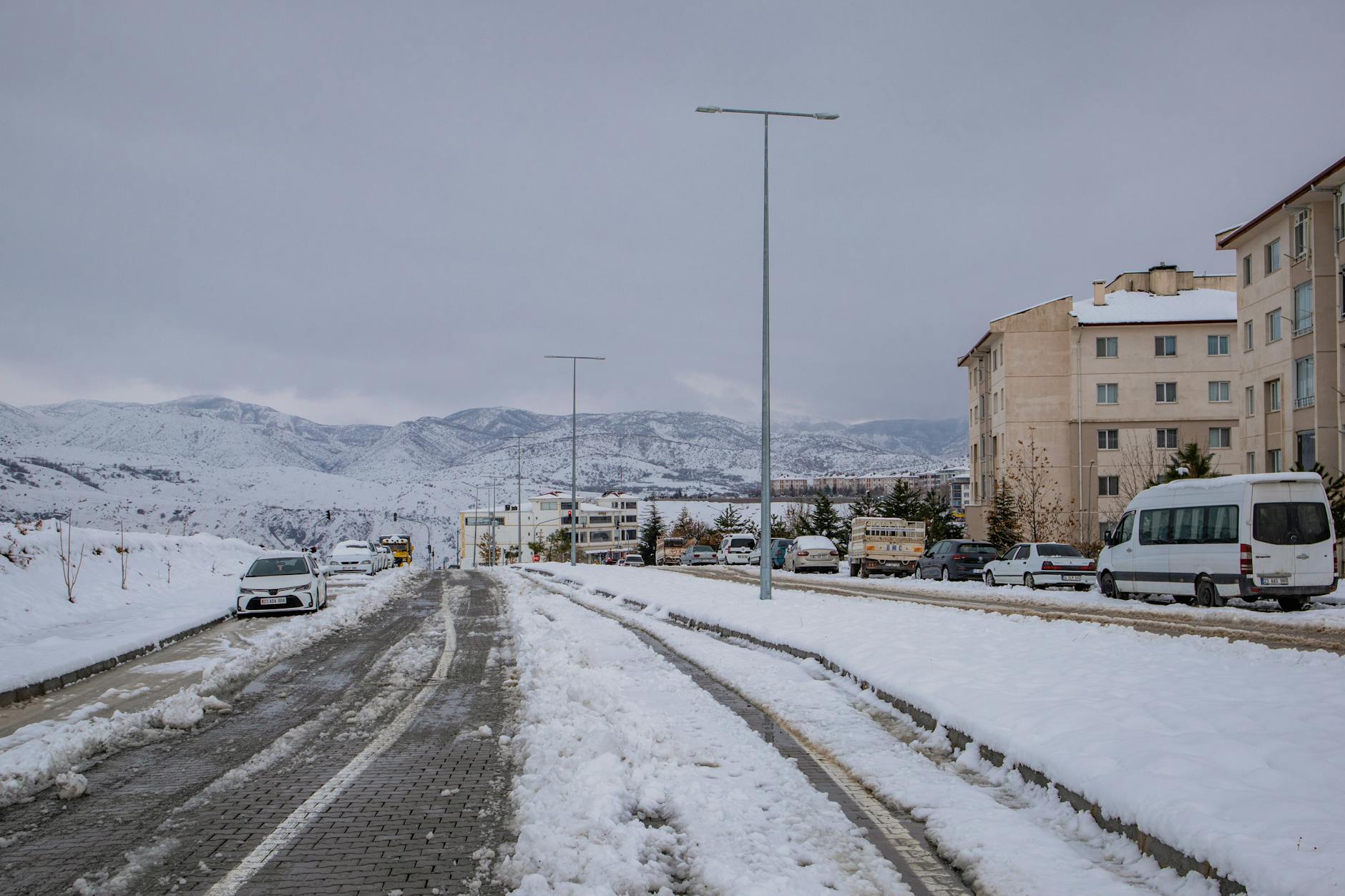
Quick Answer: Every car driving in winter conditions needs at minimum: jumper cables or a jump starter, a snow brush and ice scraper, a blanket, a small shovel, kitty litter or sand for traction, a flashlight, and a phone charger. Most drivers have none of these until they need them. Pack the kit before the storm, not during.
What To Do
Build your kit before winter. The time to do this is a calm afternoon in October, not during a snowstorm when stores are sold out.
Traction and Mobility
- Compact folding shovel, for digging out tires when you’re buried
- Kitty litter, sand, or traction mats, pour under spinning tires for grip
- Tire pressure gauge, cold air drops tire pressure; under-inflated tires lose traction fast
- Snow chains or traction cables, required equipment in some mountain states; check local laws
Electrical and Starting
- Portable jump starter, more reliable than cables if you’re stranded alone; recharge it monthly
- Jumper cables, backup option; at least 20-foot length so you don’t need a perfect parking alignment
- Car phone charger, your phone is your lifeline; keep a 12V charger in the glovebox permanently
Warmth and Survival
- Emergency mylar blanket, compact, cheap, and keeps body heat in; one per person
- Extra gloves and hat, hands and a head are what you’ll need if you’re working outside
- Hand warmers, chemical warmers last 8+ hours; keep several packs in the kit
Visibility and Signaling
- Snow brush and ice scraper, keep it in the cabin, not the trunk (trunks freeze shut)
- LED flares or road triangles, much safer than traditional flares in snow and wind
- High-visibility vest, if you’re outside the car near traffic
Tools and Supplies
- Basic first aid kit
- Small bag of granola bars or energy bars, if you’re stuck for hours waiting for a tow
- Paper map of your area, phones die and GPS loses signal in remote areas
- Duct tape, temporary fix for anything from a broken hose to a cracked weather stripping
What It Might Cost
A complete winter kit from scratch runs $80–$150 total. The most expensive single item is a portable jump starter ($60–$120). Everything else is cheap. Compare that to a single tow truck call ($75–$150) or a night in a motel because you couldn’t move your car.
Stay Safe
If you get stuck in a snowstorm, stay with the car. A car is visible to rescuers; a person walking through a blizzard is not. Run the engine for 10 minutes every hour for heat, not continuously, that manages fuel and prevents carbon monoxide buildup.
Crack a window slightly when running the engine if snow is heavy. Snow can block the exhaust pipe, forcing CO back into the cabin. Before starting in deep snow, always check that your tailpipe is clear.
Tell someone your route and expected arrival time before driving in serious winter weather. If you don’t show up, they can tell rescuers where to look.
Common Questions
Q: How often should I recharge my portable jump starter so it’s ready when I need it? A: Recharge it at least once a month during winter, since lithium battery packs lose charge over time even when sitting unused. A quick check on a Sunday afternoon is enough to confirm it holds a full charge.
Q: Where in my car should I store the winter emergency kit so I can actually reach it if I get stuck? A: Keep the most critical items, like the blanket, hand warmers, phone charger, and ice scraper, in the cabin within reach. Larger gear like the shovel and traction mats can go in the trunk, but remember that trunks can freeze shut in heavy ice, so never put anything you might urgently need back there.
Q: How do I know if my state requires snow chains, and when do I actually have to use them? A: Requirements vary by state and sometimes by specific mountain passes or road conditions. Check your state’s department of transportation website before any winter mountain drive, as signs along the road will also indicate when chains are legally required or when roads are restricted to four-wheel-drive vehicles only.
Need roadside help? Visit Tow With The Flow for real answers when your car breaks down.