
Quick Answer: Yes, most roadside assistance plans cover fuel delivery, but usually only the service call. You typically pay for the gas itself. Delivery is often limited to a few gallons, and plans cap how many calls you get per year. If your plan doesn’t include it, they may tow you to a station instead.
Does Roadside Assistance Actually Cover Fuel Delivery?
Usually yes, but “covered” means the visit is free or included, not the fuel. Most providers send a driver with a few gallons of gas, and you pay for the gas at cost or at a marked-up rate. Some plans skip delivery entirely and offer a short tow to the nearest station instead.
Where this coverage comes from matters:
- Auto club memberships (AAA and similar): Fuel delivery is a standard service. Higher membership tiers generally allow more service calls per year.
- Insurance add-ons: Insurers like Progressive and GEICO sell roadside coverage as an optional rider, and fuel delivery is commonly part of it. If you never added the rider, you’re not covered.
- Credit cards, new-car warranties, and phone apps: Many include roadside help. Check the fine print for fuel, since some only cover towing.
Not sure whether you added coverage? Read how insurance roadside add-ons work before you call.
What Do I Do Right Now If I’ve Run Out of Gas?
Get to safety first, then call for help. Don’t try to restart the engine repeatedly, and don’t walk along the highway for fuel.
- Coast to the shoulder. Power steering and power brakes get heavy when the engine dies, but you still have steering and braking. Press the brake firmly and steer smoothly.
- Turn on your hazards. Pull as far right as you can. If you’re stuck in a travel lane or on a bridge, stay buckled in and call 911.
- Exit on the passenger side if the shoulder is narrow and traffic is close. Stand well away from the car, behind a guardrail if there is one.
- Call your roadside provider. Have your membership or policy number, your exact location, and your vehicle details ready. Use your phone’s map pin or the nearest mile marker.
- Ask for fuel delivery by name. Say “I ran out of gas and need fuel delivery.” Dispatchers route that differently than a tow.
If it’s dark, read what to do when you run out of gas on the highway at night. Visibility changes the safety calculation.
How Much Will Fuel Delivery Cost Me?
Expect to pay for the gas even when the visit is covered. The driver usually brings two to five gallons, enough to reach a station. Because delivered fuel is priced above pump rates, budget for a few extra dollars per gallon.
If your plan doesn’t cover delivery, you’ll pay a service fee on top of the fuel. That fee varies widely by region, time of day, and provider, so ask for the total before you agree. Night and weekend calls cost more, a
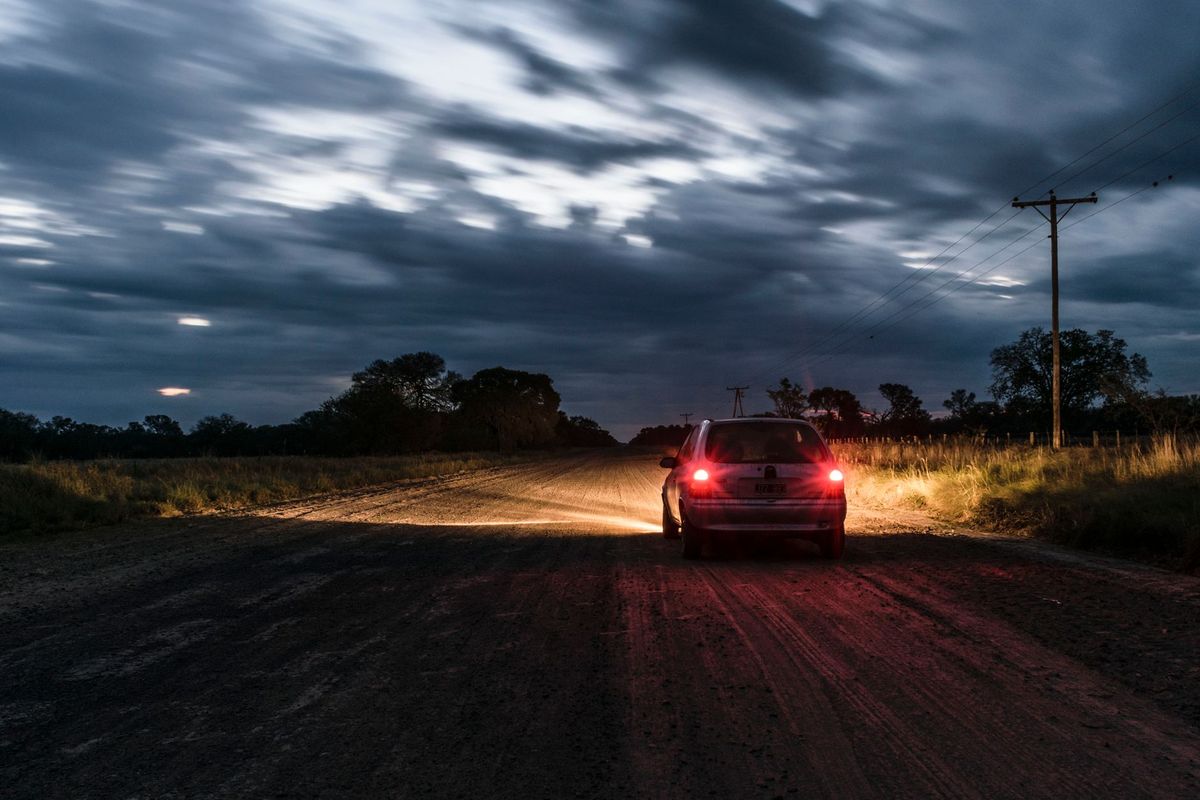 Photo: Pexels
s covered in emergency towing on weekends.
No membership and no money right now? Fuel delivery from an independent tow company is often cheaper than a tow, and the no-money tow options guide lists ways to get moving.
Will They Deliver Diesel, or Do Different Fuel Types Matter?
Fuel type matters a lot, and you must tell dispatch before they arrive. Most delivery trucks carry regular gasoline. Diesel is less common, and some providers won’t deliver it at all.
Putting the wrong fuel in is far worse than running dry:
- Gas in a diesel engine can wreck the injection pump and injectors. Never turn the key if this happens.
- Diesel in a gas engine fouls plugs and stalls the engine.
- Modern diesels may need the fuel system primed or bled after running dry, which a delivery driver usually can’t do. You may need a tow instead.
Tell dispatch your exact fuel type and whether the vehicle is a hybrid or plug-in hybrid. If a diesel won’t restart after refueling, don’t keep cranking. Ask for a tow.
What If My Car Still Won’t Start After Adding Gas?
Gas usually isn’t the problem, but a few things can keep the engine from firing. Running a tank completely dry can pull sediment into the fuel filter and, on some cars, strain the electric fuel pump, which relies on gasoline to stay cool.
Try this before calling again:
- Turn the key to “on” without cranking, wait three seconds, and repeat two or three times. This lets the pump prime the lines.
- Then crank in short bursts of about five seconds.
- If it still won’t fire, you may have a failed fuel pump or a clogged filter. That’s a tow, not another fuel delivery. Check whether you need a flatbed before the truck arrives.
 Photo: Pexels
Common Questions
Q: Does AAA bring gas if I run out? A: Yes, fuel delivery is a standard AAA roadside service. You pay for the fuel, and the number of free service calls depends on your membership level.
Q: Is running out of gas covered by car insurance? A: Only if you added roadside assistance to your policy. Standard auto insurance covers collisions and damage, not an empty tank. The rider is optional and usually inexpensive.
Q: How many gallons will a roadside driver give me? A: Typically two to five gallons. That’s enough to reach the nearest station, not to fill the tank.
Q: Can they deliver gas if I’m on the highway? A: Yes, but they may prioritize it below other emergencies, and wait times run longer on busy roads. Stay buckled in with hazards on until they arrive.
Q: What if I don’t have roadside assistance at all? A: Call a local tow company and ask if they offer fuel delivery. Many do, usually for a service fee plus fuel. A short tow to the nearest station is the fallback.
Need roadside help? Visit Tow With The Flow for real answers when your car breaks down.