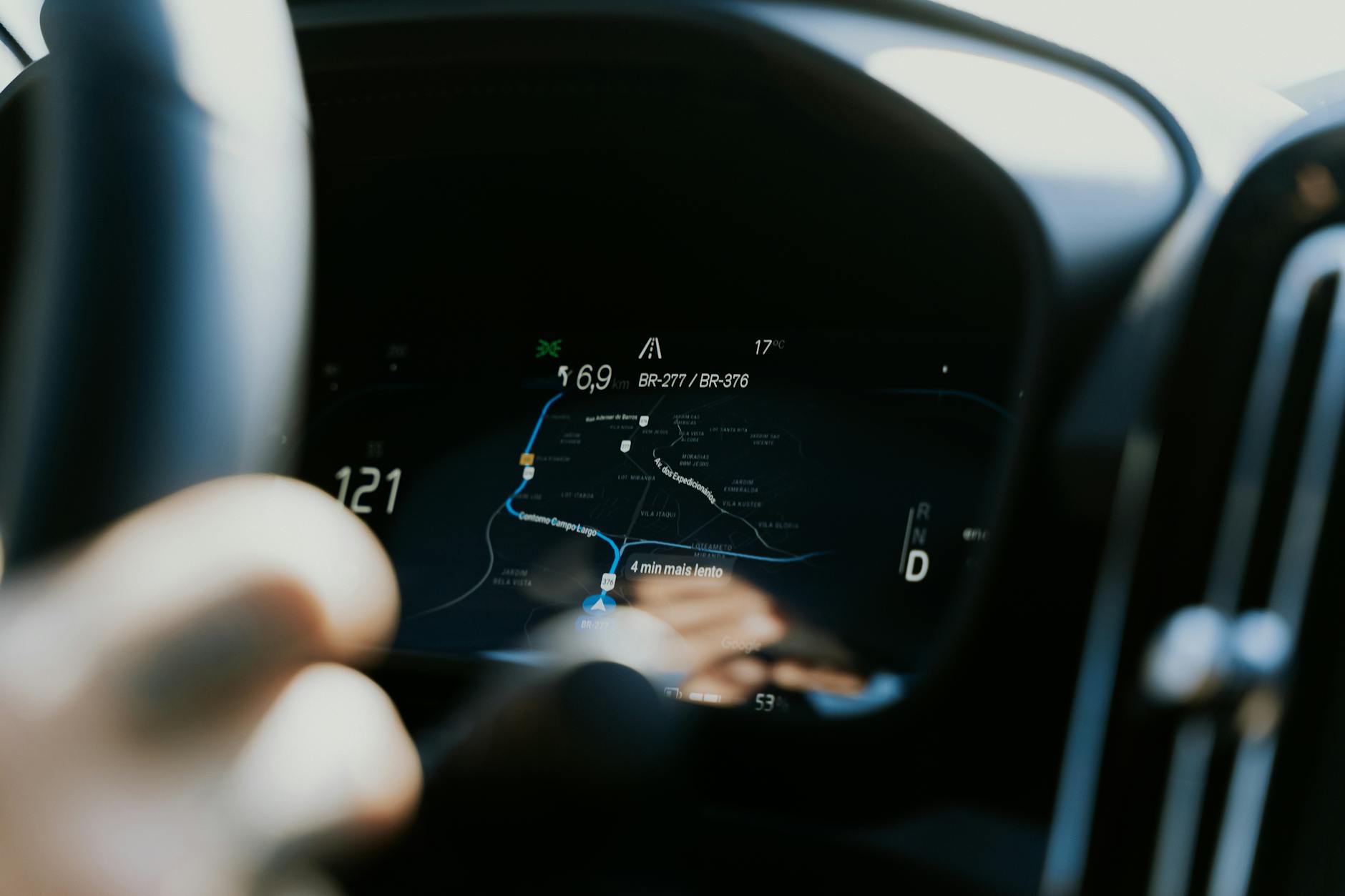
Quick Answer: No, do not drive home with a flashing check engine light. This indicates engine misfiring that can cause catastrophic damage within minutes. Pull over safely immediately and call for roadside assistance or a tow truck. A steady check engine light is different and usually allows limited driving.
What To Do Right Now
Pull over immediately at the next safe location: parking lot, gas station, or wide shoulder away from traffic.
Turn off the engine and wait 5 minutes before restarting to see if the flashing stops.
Check for obvious problems: loose gas cap, disconnected wires, or strange smells like burning oil or coolant.
Restart the engine once. If the light continues flashing, shut it off immediately.
Call for help: Use roadside assistance through your insurance or AAA, or call a local tow truck service.
Do not attempt to drive home even if the car seems to run normally. Engine misfiring can destroy the catalytic converter or cause complete engine failure.
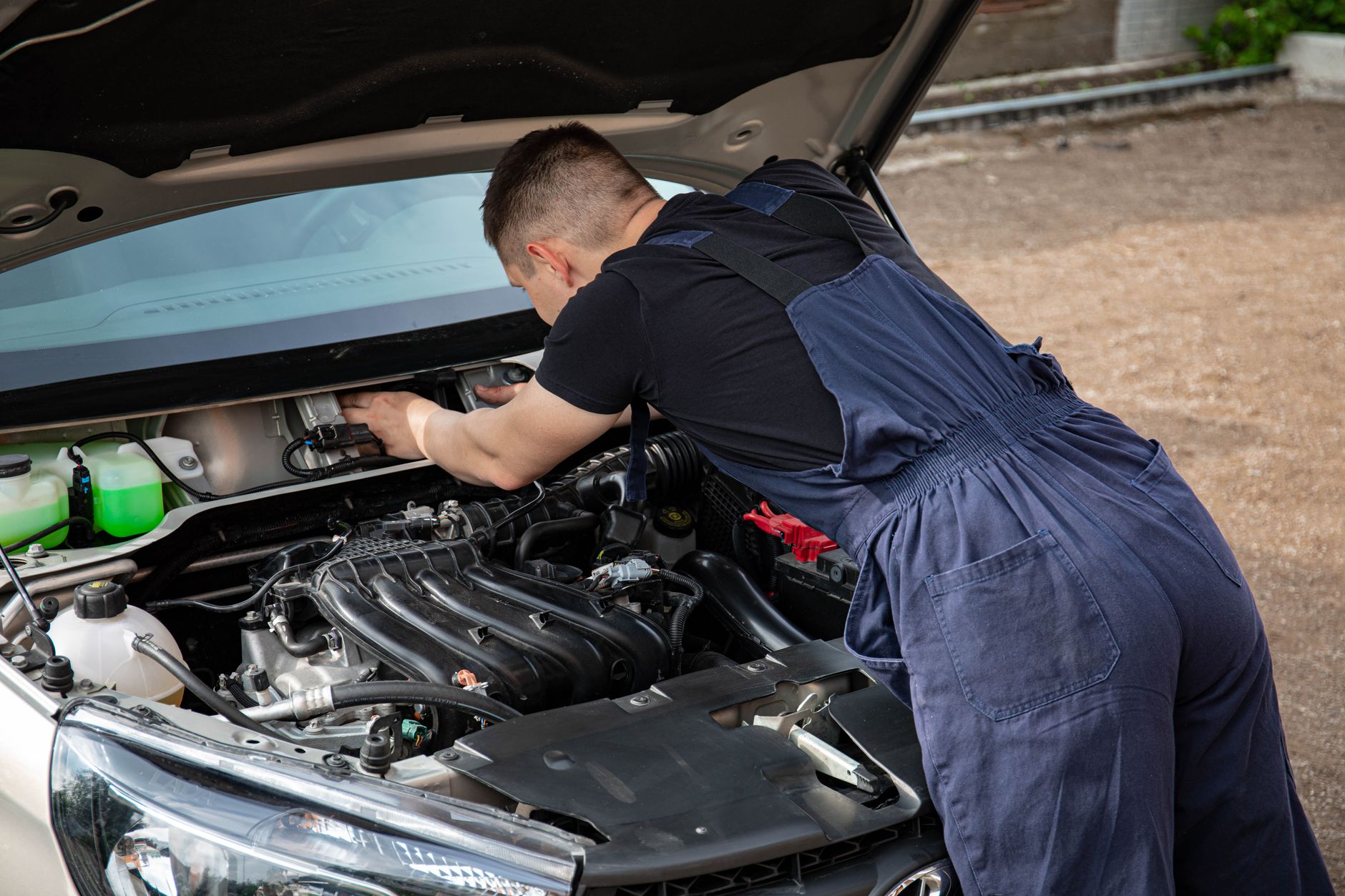 Photo: Pexels
Why A Flashing Light Is Different
A flashing check engine light specifically indicates engine misfiring, where fuel is not burning properly in one or more cylinders. This unburned fuel gets dumped into the exhaust system, where it can ignite and damage the catalytic converter. Replacing a catalytic converter costs $1,000 to $3,000, while continued driving with misfiring can cause complete engine damage costing $5,000 or more.
A steady check engine light indicates a less urgent problem that typically allows careful driving to a mechanic, though you should still address it within a few days.
What Causes The Flashing Light
Common causes include faulty spark plugs, ignition coils, fuel injectors, or a loose gas cap. More serious issues involve internal engine problems, vacuum leaks, or fuel system failures. The flashing serves as an emergency warning because misfiring creates extreme heat that can warp engine components or melt the catalytic converter within minutes of driving.
If your car is making loud knocking sounds while driving along with the flashing light, this indicates severe engine damage requiring immediate shutdown.
What It Might Cost
Diagnostic fees run $100-150 at most shops. Simple fixes like spark plugs cost $100-300, while ignition coils run $200-500 per cylinder. Major repairs like fuel system problems can cost $800-2,000. Towing costs typically range from $75-200 depending on distance and location.
When You Might Drive (Very Limited Cases)
Only drive if you are in immediate danger and cannot safely stop, such as on a busy freeway with no shoulder. In this case, drive slowly to the nearest exit or safe area, keeping the engine below 2,000 RPM and watching for overheating. Turn off air conditioning, radio, and other accessories to reduce engine load.
If your car is overheating with a red dashboard light in addition to the flashing check engine light, shut off the engine immediately regardless of location and call emergency services if needed.
 Photo: Pexels
Stay Safe
• Never ignore a flashing check engine light • Keep emergency roadside assistance numbers in your phone • Pull completely off the roadway before stopping • Turn on hazard lights and raise your hood if safe to do so • Stay inside your vehicle if stopped on a busy road • Do not attempt repairs on the roadside with a flashing light
Common Questions
Q: How long can I drive with a flashing check engine light before serious damage happens? A: Damage can begin within minutes of driving with a flashing check engine light. The unburned fuel entering your exhaust system can melt the catalytic converter very quickly, so the safest answer is zero additional miles of driving.
Q: Will my car fail inspection if the check engine light is flashing? A: Yes, any active check engine light, flashing or steady, will cause an automatic inspection failure in states that require emissions testing. You will need to have the underlying fault diagnosed and repaired, then drive enough miles for the system to confirm the fix before reinspecting.
Q: Can I reset the flashing check engine light myself by disconnecting the battery? A: Disconnecting the battery will clear the stored fault code temporarily, but the underlying problem causing the misfire remains. The light will return quickly, and erasing the code only makes it harder for a mechanic to diagnose the issue accurately.
Need roadside help? Visit Tow With The Flow for real answers when your car breaks down.