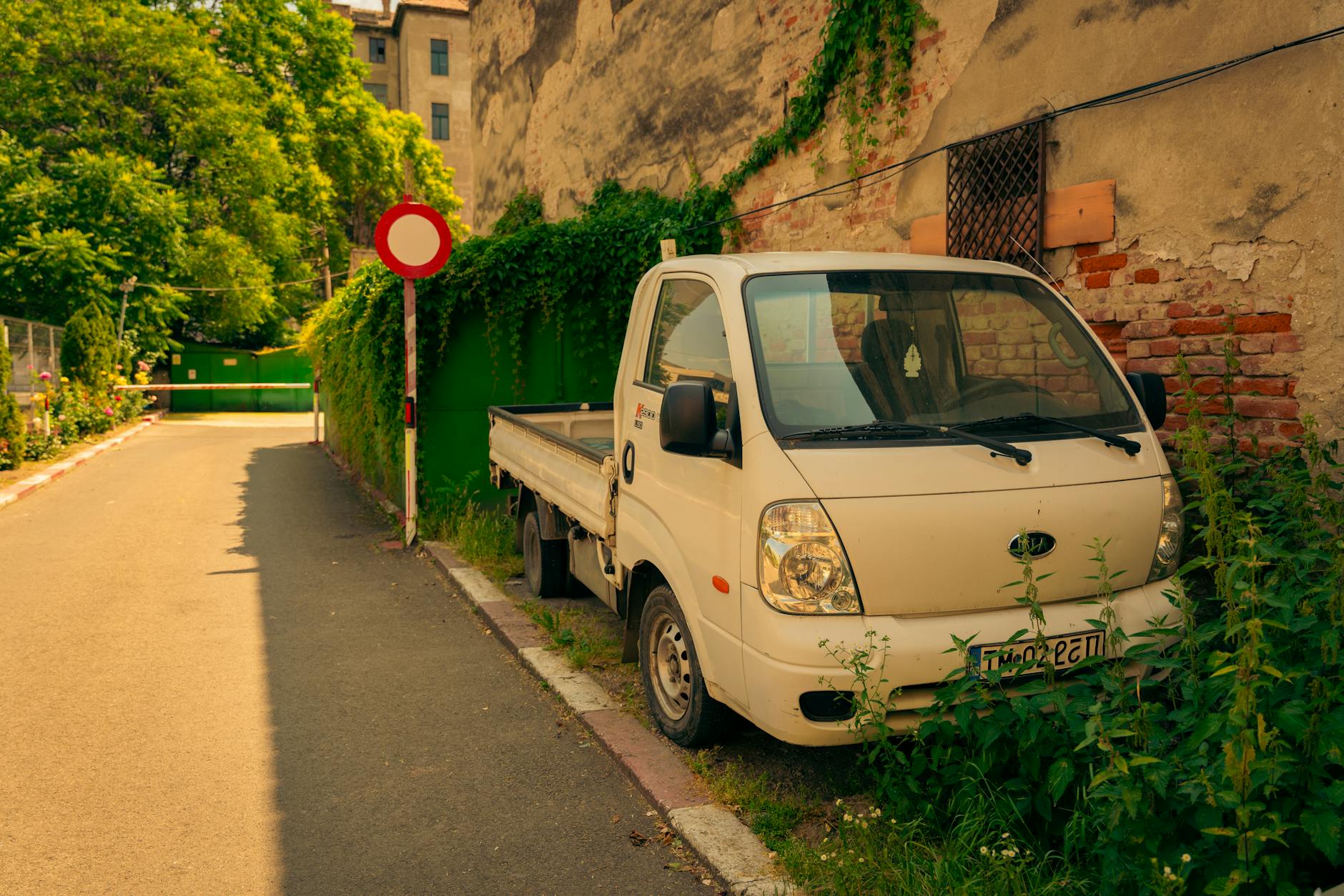
Quick Answer: The cheapest after-hours towing typically comes from independent 24-hour services charging $75-120 base rate plus $3-7 per mile. Check your insurance roadside coverage first, call multiple local operators for quotes, and avoid highway or police-dispatched tows which cost 30-50% more.
Your car just died at 2 AM and you need a tow truck now. After-hours towing costs more than daytime service, but you can still find reasonable rates if you know where to look.
What To Do
Check your insurance first. Many policies include 24-hour roadside assistance that covers towing up to a certain distance. This beats any cash rate you’ll find. Call the number on the back of your insurance card directly, not a general customer service line, since most insurers have a dedicated roadside dispatch line that connects faster.
Call your credit card company. Premium cards often provide emergency roadside service, including after-hours towing. Visa Signature, Mastercard World, and most American Express cards include this. The limit is usually one or two incidents per year, and reimbursement caps range from $50-100, so confirm coverage details before you rely on it.
Search “24 hour tow truck” plus your city name. Skip the first few Google ads and look for local independent operators with physical addresses. Ads at the top are often lead-generation services that resell your call to the nearest available driver at a marked-up rate. Going direct saves $20-50 in most markets.
Get quotes from 3-4 services. Ask for the total estimated cost including base fee, mileage, and any after-hours surcharge. Prices vary wildly between companies. A 10-mile tow can range from $110 to $200 depending on who picks up the phone first. Spending five minutes comparing quotes is almost always worth it.
Ask about payment options. Some accept credit cards, others cash only. Confirm before they arrive. A few independent operators charge an additional 3-4% card processing fee, so having cash on hand as a backup gives you leverage to negotiate that away.
Verify they can reach your location. If you’re on a busy highway or in a restricted area, not all tow trucks can legally access your car. Flatbed trucks are required in many states for all-wheel-drive and low-clearance vehicles. Confirming this upfront prevents a second tow call if the wrong equipment shows up.
Get the driver’s name and truck number when they arrive. Take a photo of their license plate for your records. If there is any dispute about damage to your vehicle after the tow, this documentation is essential.
 Photo: Pexels
What It Might Cost
Independent 24-hour services typically charge $85-120 for the hookup plus $3-7 per mile. After-hours surcharges add $15-35 to your base cost. A 15-mile tow at midnight from an independent operator might run $140-175 all in. That same tow through a dispatch aggregator or national service app could hit $200-230.
Highway towing through police dispatch costs significantly more. Towing from highway to the nearest exit often runs $150-250 total due to safety requirements and limited operator availability. Police-dispatched tows also usually go to whichever company is next on a rotating list, meaning you have no ability to compare prices before the truck rolls.
Your insurance roadside assistance might cover $100-150 of towing costs, making it essentially free for short distances. Check how many times per year you can use services like GEICO to avoid surprise limitations. Using roadside assistance for a simple battery jump or tire change earlier in the year could leave you without covered towing when you actually need it.
Weekend and holiday rates increase costs 20-40% over normal after-hours pricing. Sunday night towing services often charge premium rates when fewer operators work. If your car is safely parked off the road and drivable conditions allow waiting, calling Monday morning instead of Sunday night at midnight could save $40-80 on an average tow.
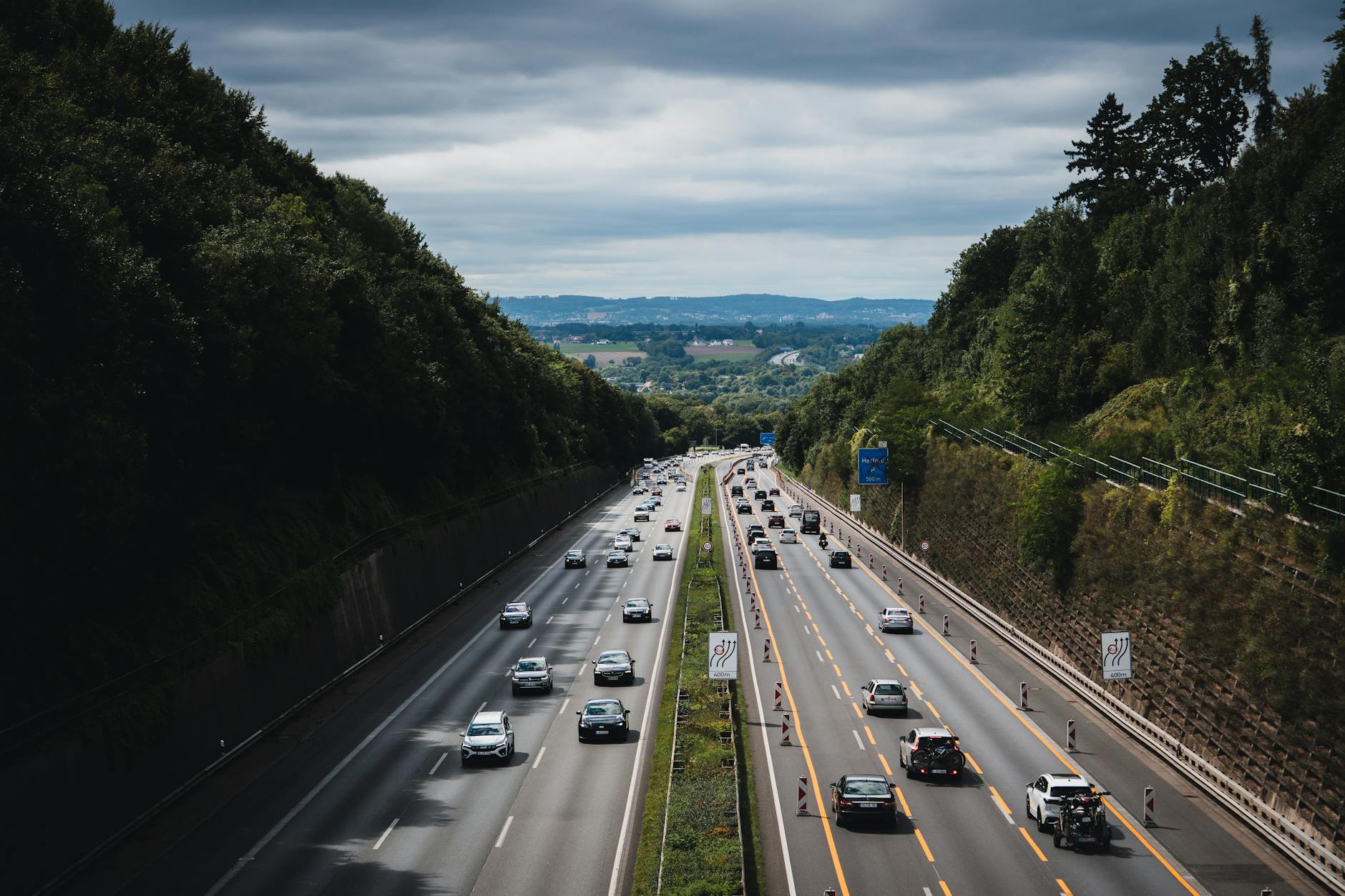 Photo: Pexels
Common Questions
Q: Can I negotiate the price with a tow truck driver after they arrive? A: You can try, but your leverage drops significantly once the truck is on scene. Negotiate before you confirm, get the quoted price in writing via text if possible, and never sign a blank authorization form. Some independent operators will shave $10-20 off if you ask politely and pay cash.
Q: How long does an after-hours tow truck usually take to arrive? A: In most metro areas, expect 45-75 minutes between midnight and 5 AM when fewer trucks are running. Rural areas can stretch to 90 minutes or more. If the dispatcher quotes under 30 minutes at 2 AM, confirm the quote is not from a relay service that still needs to find a driver.
Q: Is it safe to use a towing app like Urgently or Honk after hours? A: These apps work, but they act as middlemen and typically mark up the base rate by 15-25% compared to calling an independent operator directly. The tradeoff is convenience and upfront pricing visibility. If you are in an unfamiliar area and cannot find local operators quickly, the markup is often worth the peace of mind.
Stay Safe
- Stay in your vehicle if you’re on a busy road until the tow truck arrives
- Turn on hazard lights and use flares or reflectors if you have them
- Move to the passenger side when the driver approaches your window
- Never leave your car unattended with valuables visible
- Ask to see the driver’s commercial license and insurance card
- Get a written estimate before authorizing any work beyond basic towing
Independent operators usually offer the best after-hours rates, but verify they’re licensed and insured before letting them hook up your car. A few extra minutes of verification prevents bigger headaches later.
Need roadside help? Visit Tow With The Flow for real answers when your car breaks down.