> **Quick Answer:** In hot weather, a no-start is most often the battery, not the alternator. Heat accelerates battery fluid evaporation and internal corrosion, and a battery that was borderline in spring fails outright in August. If you get a click or nothing when you turn the key, start with the battery. If the car starts but dies shortly after, suspect the alternator.
## How Do I Know If It's the Battery or the Alternator in Hot Weather?
The fastest way to tell: try a jump start. If the car starts and keeps running after you disconnect the jumper cables, your alternator is likely fine and your battery is the problem. If the car dies again within a few minutes of driving, the alternator is not recharging the battery and that is your real issue.
One more quick check: look at your dashboard. A battery warning light that stays on after the engine starts points directly at the charging system, meaning the alternator. No warning light but a dead-quiet cabin when you turn the key points at the battery itself. You can also read the specific behavior of that warning light in detail at [Battery Warning Light Came On While Driving: How Long Do You Have?](/battery-warning-light-came-on-while-driving-how-long-do-i-have/).
## Why Does Heat Kill Batteries So Fast?
Extreme heat damages batteries faster than cold does. The lead-acid battery in most vehicles contains a water and sulfuric acid electrolyte solution. Sustained heat above 100°F causes that fluid to evaporate, lowering the electrolyte level and accelerating sulfation on the lead plates. A battery that reads 12.4 volts on a cool morning may drop below the 12.0-volt threshold needed to crank your engine once the temperature climbs and the car has been sitting in direct sun for hours.
If your battery is more than three years old and you are parked in direct sun in summer heat, it does not need to be fully dead to fail. It just needs to be weak enough that the extra thermal stress pushes it over the edge.
## What Are the Exact Symptoms So I Can Tell Them Apart?
Battery failure symptoms: slow or labored cranking, a single loud click when you turn the key, or complete silence. The interior lights may be dim or dead. The car may start fine in the cool morning but refuse to start after sitting in a hot parking lot for two hours.
Alternator failure symptoms: the car starts but the battery warning light comes on, the headlights flicker or dim at idle, the radio cuts out, or the car stalls a few miles from where you started. A failing alternator often makes a high-pitched whining or grinding noise from the front of the engine because the internal bearings or diode pack are failing.
If your car overheated before it stopped starting, that is a third scenario entirely. Overheating can cause heat-soak that prevents starting temporarily, and in serious cases it causes real engine damage. That situation has its own path: [Car Overheated and Now Won't Start: Tow or Wait?](/car-overheated-and-now-wont-start-tow-or-wait/).
## What Should I Do Right Now If I'm Stuck?
If you have jumper cables or a portable jump starter, try jumping the battery first. A quality portable jump starter like the Noco Boost Plus GB40 can crank a dead battery without another vehicle present and is worth keeping in your trunk for exactly this scenario.
After jumping: if the car runs, drive directly to a shop or an auto parts store. Most AutoZo
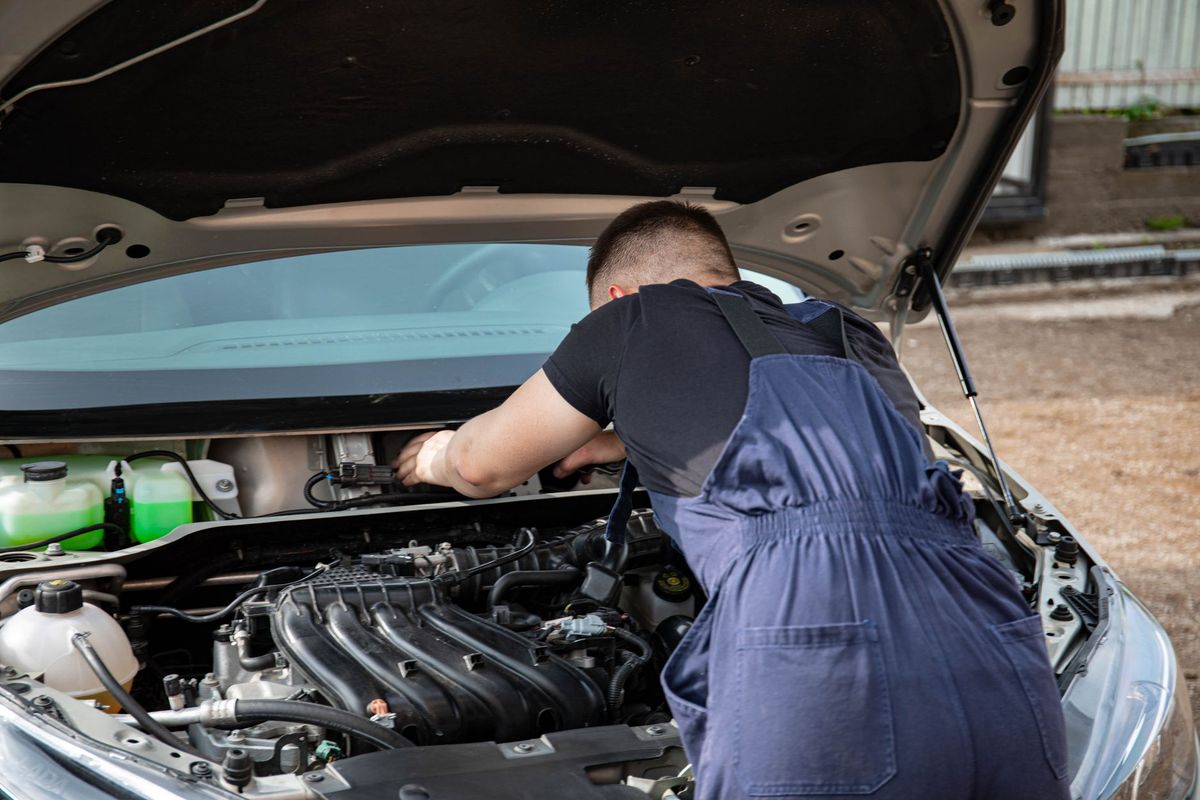
*Photo: Pexels*
ne and O'Reilly locations will test your battery and alternator output for free with a digital load tester. Do not turn the car off until you get there. A shop will check alternator output voltage: a healthy alternator produces 13.8 to 14.7 volts at idle. Below 13 volts means it is not charging adequately.
If the car will not jump or dies immediately after jumping, you need a tow. Do not keep cranking a hot engine repeatedly because repeated failed starts can stress a starter motor that is already dealing with heat-soak. Get off the road and call for help. If you broke down on a busy road or highway, [Car Died on Interstate: Who Do I Call First?](/car-died-on-interstate-who-do-i-call-first/) walks through exactly that situation.
## What Will It Cost to Fix?
A replacement battery for most passenger vehicles runs $120 to $220 for a standard flooded lead-acid unit. An AGM battery, which many newer vehicles require, runs $180 to $350. Labor to swap a battery is usually $25 to $75 unless the battery is buried under trim or in the trunk, which some BMW and Mercedes models do.
An alternator replacement is more expensive. The part alone runs $150 to $400 depending on the vehicle, and labor adds another $100 to $300. Expect a total alternator job to run $300 to $700 at an independent shop, more at a dealership. The belt that drives the alternator, called the serpentine belt, is sometimes replaced at the same time if it shows wear.
---
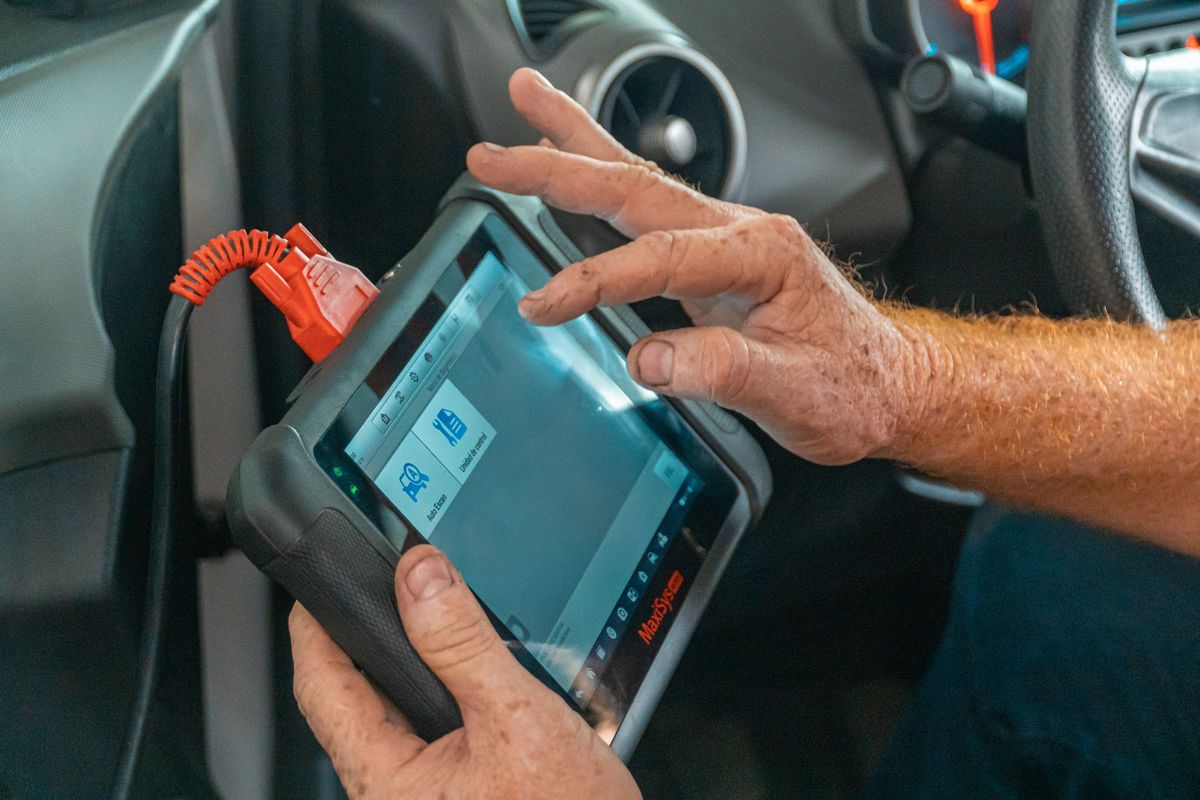
*Photo: Pexels*
## Common Questions
**Q: Can hot weather really kill a battery that seemed fine last week?**
A: Yes. A battery weakened by age or low electrolyte can fail suddenly when temperatures spike. Heat accelerates internal discharge and plate damage in ways that are not visible from the outside.
**Q: My car clicks once when I turn the key in hot weather. Battery or starter?**
A: One loud click usually points to a bad connection at the battery terminal or a failing starter solenoid. Multiple rapid clicks point to a weak battery. Clean the terminals first. If the clicking continues, a jump start will tell you whether the battery is the issue.
**Q: Can I drive to the shop with a bad alternator if my battery has a full charge?**
A: Briefly, yes, but not far. A fully charged 12-volt battery can power a car for roughly 20 to 45 minutes with the alternator offline, less if you have the AC, headlights, or other loads running. Turn off every non-essential electrical load and go directly to the nearest shop.
**Q: Will a portable jump starter work on a completely dead battery in hot weather?**
A: Usually yes, as long as the battery is not physically damaged. A jump starter delivers a short burst of high current to get the engine turning. However, if the battery has a shorted cell from heat damage, it may not hold enough charge to keep the car running even after a jump.
**Q: How do I tell if my battery terminals are causing the no-start rather than the battery itself?**
A: Look for white or blue-green powder or crust around the terminals. That corrosion increases resistance and can prevent enough current from reaching the starter even when the battery is charged. Clean the terminals with a wire brush, reconnect them firmly, and try again before assuming you need a new battery.
---
*Need roadside help? Visit [Tow With The Flow](https://towwiththeflow.com/car-wont-start-in-hot-weather-battery-or-alternator/) for real answers when your car breaks down.*
Car Won't Start in Hot Weather: Battery or Alternator?
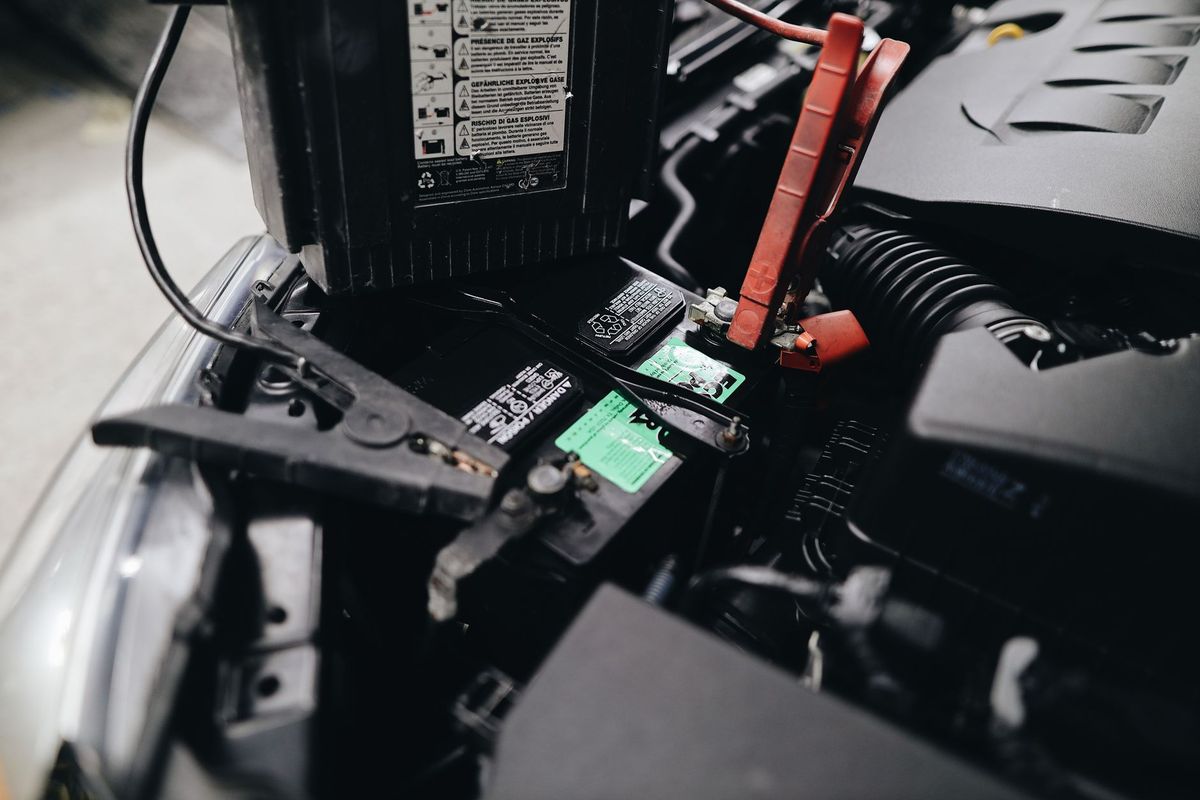
Photo: Pexels