
Quick Answer: If your dashboard lights work but the car won’t start, you likely have a bad starter, ignition switch, or loose battery connections. Check for clicking sounds when turning the key. If you hear nothing or rapid clicking, the starter motor has failed and needs replacement.
What To Do
Listen for sounds when turning the key. A single loud click means the starter solenoid works but the motor is bad. Rapid clicking means low battery power to the starter. No sound at all points to the ignition switch or starter relay. The distinction matters: a single click narrows your diagnosis immediately to the starter motor itself, while rapid clicking tells you the battery has enough juice to trip the solenoid but not enough to spin the motor under load.
Check battery connections first. Pop the hood and look at both battery terminals. Wiggle the cables. Corrosion or loose connections can prevent enough current from reaching the starter while still powering lights. A terminal that looks clean on top can be corroded underneath the clamp where you can’t see it. If you have a wrench, loosen the clamp, slide it off, and check the post directly. Green or white crusty buildup means resistance, and resistance kills starter power.
Try the headlights test. Turn on headlights and try starting. If lights dim significantly or go out completely, your battery is weak despite powering the dashboard. Dashboard lights use minimal power compared to the starter motor. A starter can pull 100-200 amps under load. Your dashboard warning lights might draw less than 5 amps total, so a dying battery can light up the whole cluster without coming close to delivering what the starter needs.
Test the ignition switch. Turn the key to different positions. If radio and other accessories cut out randomly, the ignition switch contacts are worn. This is common in vehicles with 100,000+ miles. A heavy keychain with lots of keys can accelerate this wear by putting constant downward pressure on the ignition cylinder while driving.
Check the starter relay. Located in the fuse box under the hood. Swap it with another identical relay (like the horn relay) and try starting. A bad relay stops all power to the starter motor. Most relay boxes have a printed diagram on the inside of the cover showing which relay is which. Relays are usually $10-20 at any auto parts store, so if the swap fixes it, replacement is cheap.
Look for security light issues. If your dashboard shows a security or theft light, the immobilizer system may be preventing the start. Try using your spare key or wait 10 minutes for the system to reset. A worn or chipped transponder key is a common culprit on vehicles over eight years old. The key sends a coded signal to the immobilizer and if the chip is damaged, the system cuts the start circuit entirely even though everything else powers up normally.
Check the neutral safety switch. Automatic transmissions have a switch that only allows starting in Park or Neutral. If this switch fails or the transmission range sensor is dirty, the car acts like nothing is happening when you turn the key. Try shifting firmly into Park, then Neutral, and attempt starting from both positions. On a manual transmission, the equivalent is the clutch pedal switch, which requires the pedal to be fully depressed before the start circuit completes.
If these steps don’t work, you need professional diagnosis. The starter motor itself has likely failed, requiring removal and replacement.
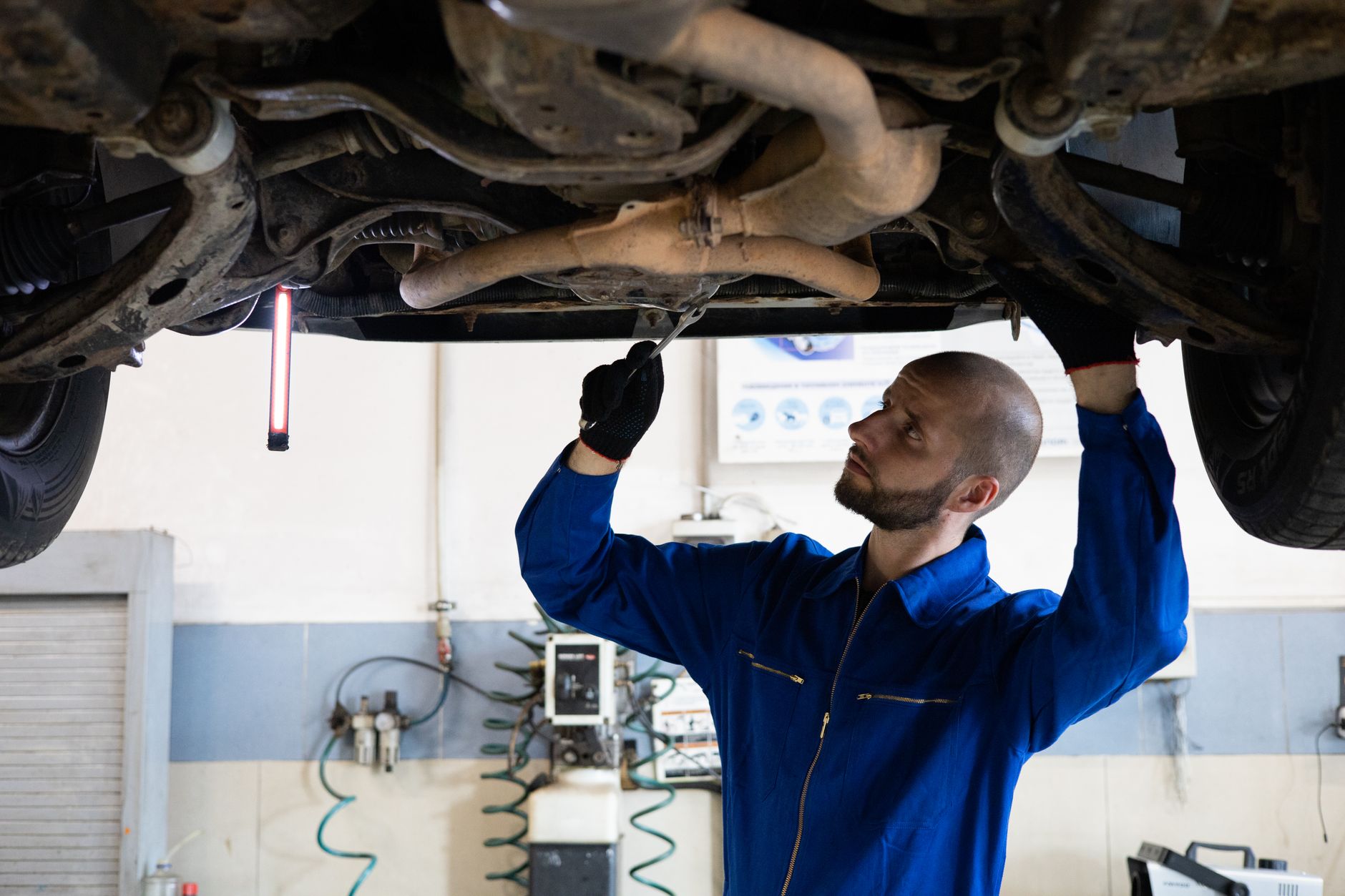 Photo: Pexels
What It Might Cost
Starter replacement runs $300-800 depending on your vehicle. Labor takes 1-3 hours. Ignition switch replacement costs $200-500. A new battery runs $100-250 installed. On some vehicles, particularly front-wheel-drive cars with transverse-mounted engines, starter access is tight and labor time pushes toward the higher end of that range. Trucks and rear-wheel-drive vehicles are usually faster.
If you need towing to a shop, expect towing costs from $75-200 depending on distance and time of day. Many auto parts stores will test your battery and starter for free if you can drive there.
Common Questions
Q: My car clicks once and won’t start, but the battery is brand new. What else could it be? A: A single click with a new battery almost always points to the starter motor itself. The solenoid is engaging but the motor windings have failed. In some cases a bad ground cable between the engine block and the chassis mimics this symptom, so check that ground strap before pulling the starter.
Q: Can I tap the starter with a hammer to get it going? A: Yes, sometimes. If the starter motor brushes are worn, a firm tap with a hammer or wrench handle on the starter body can shift them enough to make contact and get one more start out of it. This is a temporary fix only and works maybe once or twice before the starter needs full replacement.
Q: Why does the car sometimes start fine and other times do nothing? A: Intermittent no-start with good dashboard power usually means a failing starter solenoid, a worn ignition switch, or a loose battery cable that makes contact sometimes and not others. Corrosion at the battery terminals is the most common cause and the easiest to rule out first.
 Photo: Pexels
Stay Safe
- Never try jump-starting if you smell gas or see fluid leaks
- Keep the car in park with parking brake set during testing
- If the car is blocking traffic, call for roadside assistance immediately
- Don’t keep trying to start repeatedly as this can damage the starter motor further
Need roadside help? Visit Tow With The Flow for real answers when your car breaks down.