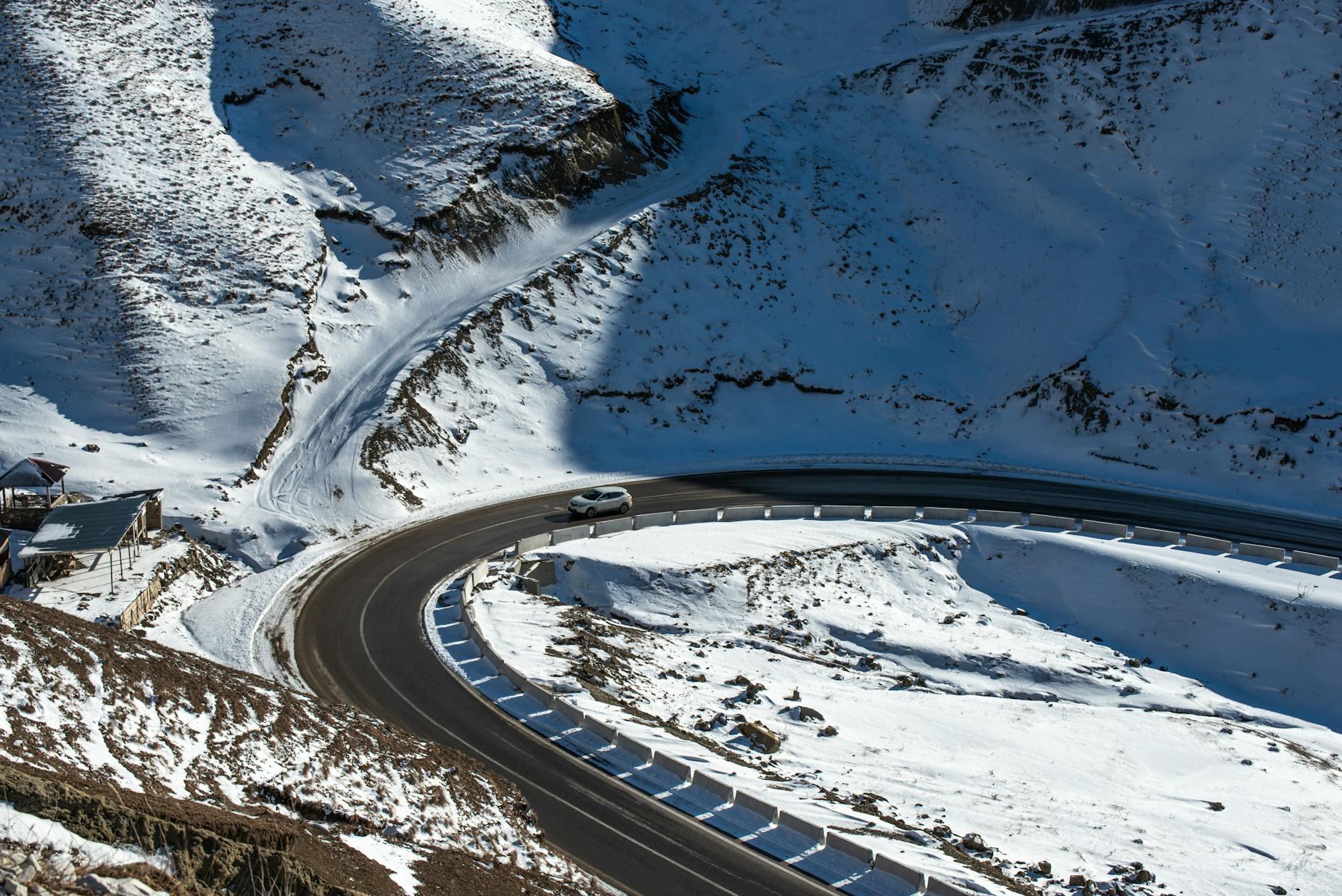
Quick Answer: Tow truck costs for snow extraction range from $75-200 for basic pullouts, $150-400 for winching from ditches, and $200-500+ for severe situations. Distance, truck type, and time of day affect pricing. Try digging out first, check for roadside assistance coverage, then call local tow services for quotes.
What To Do
Stay with your vehicle if you’re on a road. Turn on hazard lights and call for help from inside the warm car. Leaving the vehicle on a busy road in low visibility is how people get hurt.
Try simple extraction first. Clear snow from around all four tires, under the chassis, and especially the exhaust pipe. Use floor mats placed just in front of the drive wheels, or pour sand, cat litter, or even road salt directly under the tires for grip. Dig at least 12-18 inches in front of and behind the tires so the car has somewhere to go.
Rock the car gently. Shift between drive and reverse in short bursts while applying light gas. The goal is to build momentum, not dig deeper. Stop immediately if the tires start spinning freely. Sustained wheel spin melts the snow into ice and makes your situation worse within seconds.
Check your insurance or AAA coverage before calling a tow truck. Many policies include winter roadside assistance at no extra cost. AAA members get up to four free service calls per year, and even basic auto insurance add-ons often cover one or two tows annually. A two-minute phone call to your insurer before dialing a tow company can save you $150 or more.
Call multiple tow services for quotes if paying out of pocket. Prices vary significantly between companies, sometimes by $100 or more for the same job. In rural or remote areas, you may have fewer options and less room to negotiate.
Specify your exact situation when calling. “Stuck in parking lot snow” costs less than “slid into ditch.” Tell the dispatcher your vehicle type, whether it’s front-wheel or all-wheel drive, and how deep or tilted the vehicle is. That information determines what equipment they send and what they charge.
Have payment ready. Most tow operators want cash or card payment on scene. Some smaller independent operators do not accept credit cards, so having cash on hand is worth it, especially at night or in rural areas.
 Photo: Pexels
What It Might Cost
Basic snow extraction: $75-150
- Simple pullout from parking lot or driveway
- Truck hooks to your car, pulls straight out
- Usually resolved in under 15 minutes with a standard flatbed or light-duty wrecker
Winching services: $150-300
- Car stuck in deeper snow or slight ditch
- Requires winch cable and more time
- If your car is at an angle or partially buried, expect to be closer to the $250-300 range
Heavy recovery: $200-500+
- Vehicle in deep ditch or rolled over
- Multiple trucks or specialized equipment needed
- Costs can exceed $500 quickly if a second truck is required or if the recovery takes more than an hour
Distance fees: $3-7 per mile beyond base range After hours: 25-50% surcharge nights, weekends, and holidays Highway incidents: Often cost more due to traffic control needs, and some states require law enforcement to authorize specific contracted tow companies on interstates, limiting your ability to shop around
Common Questions
Q: Can I negotiate the price with a tow truck driver? A: Yes, especially with independent operators. Call two or three local companies before committing, and mention any competing quotes. Tow companies often have more flexibility on snow extraction jobs than on tows to a shop, since no mileage is involved.
Q: Will my car be damaged by being winched or pulled out? A: It can be if done carelessly. A reputable operator attaches to the frame or dedicated tow points, not the bumper. Before they hook up, ask where they plan to attach and make sure they use proper straps or chains, not just a hook on plastic trim.
Q: How long does it usually take for a tow truck to arrive in winter weather? A: During a storm, expect 45 minutes to two hours or more. Demand spikes fast when roads are bad, and tow trucks are often dealing with multiple calls at once. Call early, stay in the car, and keep the engine running in short intervals to stay warm while you wait.
 Photo: Pexels
Stay Safe
- Keep emergency kit with blanket, water, snacks, phone charger
- Never leave engine running unattended in snow (carbon monoxide risk)
- Stay visible: keep hazard lights on, raise hood if safe
- Don’t walk on busy roads to flag down help
- If stranded overnight, run engine 10 minutes per hour for heat, crack window slightly
- Keep exhaust pipe clear of snow to prevent carbon monoxide buildup
Need roadside help? Visit Tow With The Flow for real answers when your car breaks down.