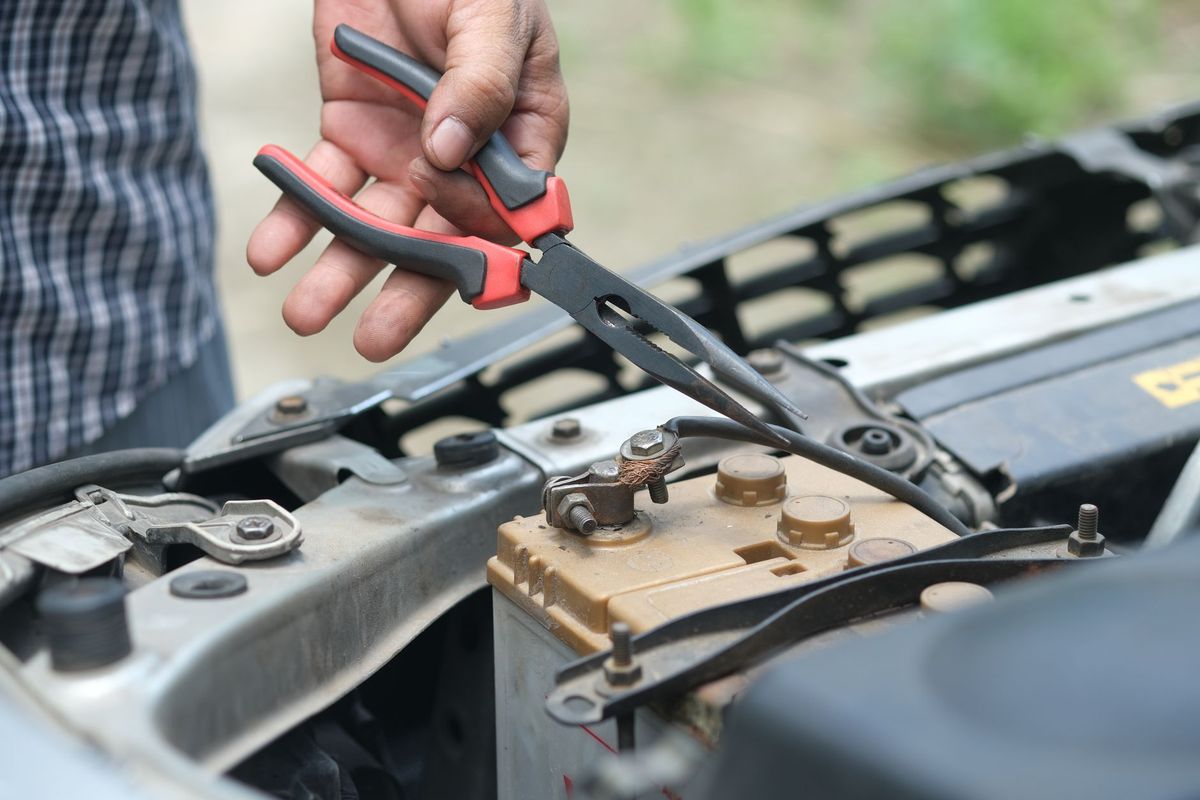
Quick Answer: Stay with your car. It’s easier for rescuers to spot than you are, and walking in desert heat kills people. Call 911 if you have signal, get into shade, drink water steadily, and conserve your phone battery. Only leave the vehicle if help is clearly in sight and close. Heat exhaustion and heat stroke are the real threats, not the breakdown itself.
Should I Stay With My Car or Walk for Help?
Stay with your car unless you can see a building or road with traffic less than a mile away. A vehicle is a visible landmark, gives you shade, and holds your supplies. A walking person in open desert is hard to spot and loses water fast.
Walking in 100°F-plus heat can cause dangerous dehydration within hours. Most desert rescues find people near their vehicle. Most desert fatalities involve people who walked away from one.
If you must move, go at dawn or dusk, leave a note on the dash with your direction and time, and carry all your water.
What Do I Do in the First 10 Minutes?
Get the car as far off the road as safely possible, then call for help before you do anything else. Your first calls matter more than your first repair attempt.
- Call 911 if anyone feels dizzy, nauseated, confused, or has stopped sweating. Otherwise call roadside assistance or your insurer.
- Turn on hazard lights and raise the hood. A raised hood signals distress from a distance.
- Share your location. Text your GPS pin to someone, or note the nearest mile marker or exit. Many desert stretches, like long gaps on I-10 between Phoenix and Tucson or US-95 near Mojave, have little cell coverage, so move to higher ground if you have no bars.
- Save your battery. Lower screen brightness and close apps. If you have a few bars, send a text, which goes through more easily than a call.
Check your coverage limits now: how far AAA will tow matters a lot when the nearest shop is 60 miles away.
How Do I Stay Cool Without Running the Car?
Get out of direct sun, but do not sit inside a closed, parked car. Interior temperatures can climb 20 degrees or more above outside air within minutes, and that is deadly.
- Make shade. Sit on the shaded side of the car, on a floor mat or blanket to insulate you from hot ground. Prop open a door and hang a sunshade, towel, or spare clothing to extend the shade.
- Dress to protect. Keep long, light-colored, loose clothing on. Covering skin slows dehydration. Wear a hat or wrap a shirt around your head.
- Run the AC only if the engine is fine. If the car overheated, don’t. See car overheated and won’t start before touching anything under the hood. Radiator caps on a hot system can spray scalding coolant.
- Stay still. Rest in the shade during the hottest hours, roughly 10 a.m. to 6 p.m. Movement burns water you can’t replace.
How Much Water Do I Need and How Do I Make It Last?
Sip steadily rather than saving it all for later. Rationing water by not drinking does not make you last longer. A
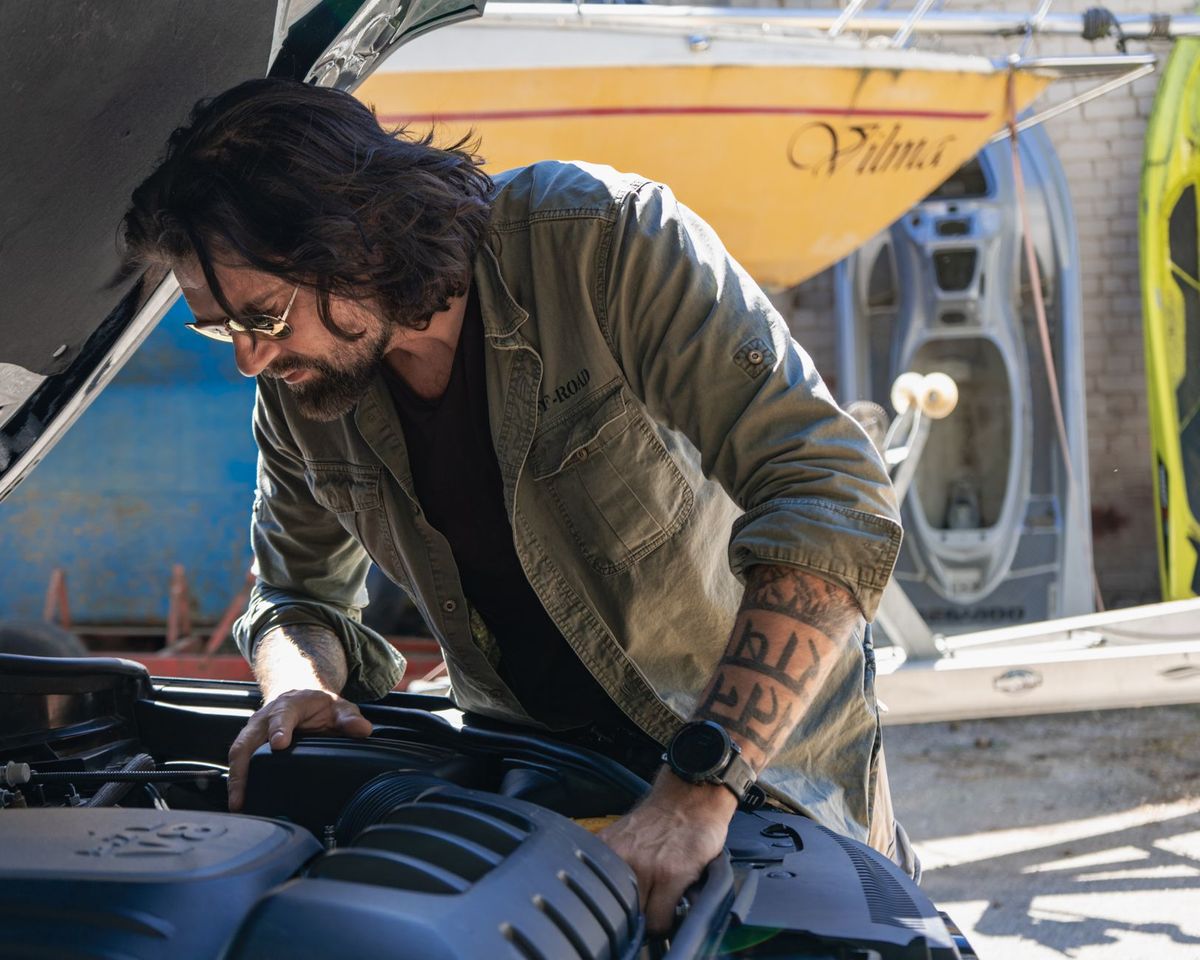 Photo: Pexels
body that is dehydrated sooner fails sooner. Drink small amounts regularly and keep your supply in the shade.
Don’t drink alcohol, soda, or energy drinks. Don’t drink radiator coolant or windshield washer fluid, ever. If you have sports drinks or salty snacks, use them to replace electrolytes lost to sweat.
Know the warning signs:
- Heat exhaustion: heavy sweating, cramps, headache, cool clammy skin, weakness. Move to shade, loosen clothing, sip water, and cool your neck, wrists, and armpits with wet cloth.
- Heat stroke: confusion, slurred speech, hot dry skin, rapid pulse, passing out. This is a life-threatening emergency. Call 911 immediately and cool the person down with water and airflow while waiting.
How Long Will It Take for Help to Arrive?
In remote desert, expect anywhere from 45 minutes to several hours, and it can run longer on rural highways. Response depends on distance, driver availability, and how clearly you can describe your location.
Give dispatch your highway, direction of travel, nearest mile marker or exit, and landmarks. If you’re near Phoenix, towing cost in Phoenix after a breakdown gives a realistic sense of what a call-out costs, and rural mileage adds on top. For wait-time expectations in general, see roadside assistance wait times.
If you have no coverage and no way to call, stay put. Use a mirror, phone flashlight, or bright clothing to signal aircraft or passing vehicles. Three of anything (three flashes, three horn honks) is the recognized distress signal.
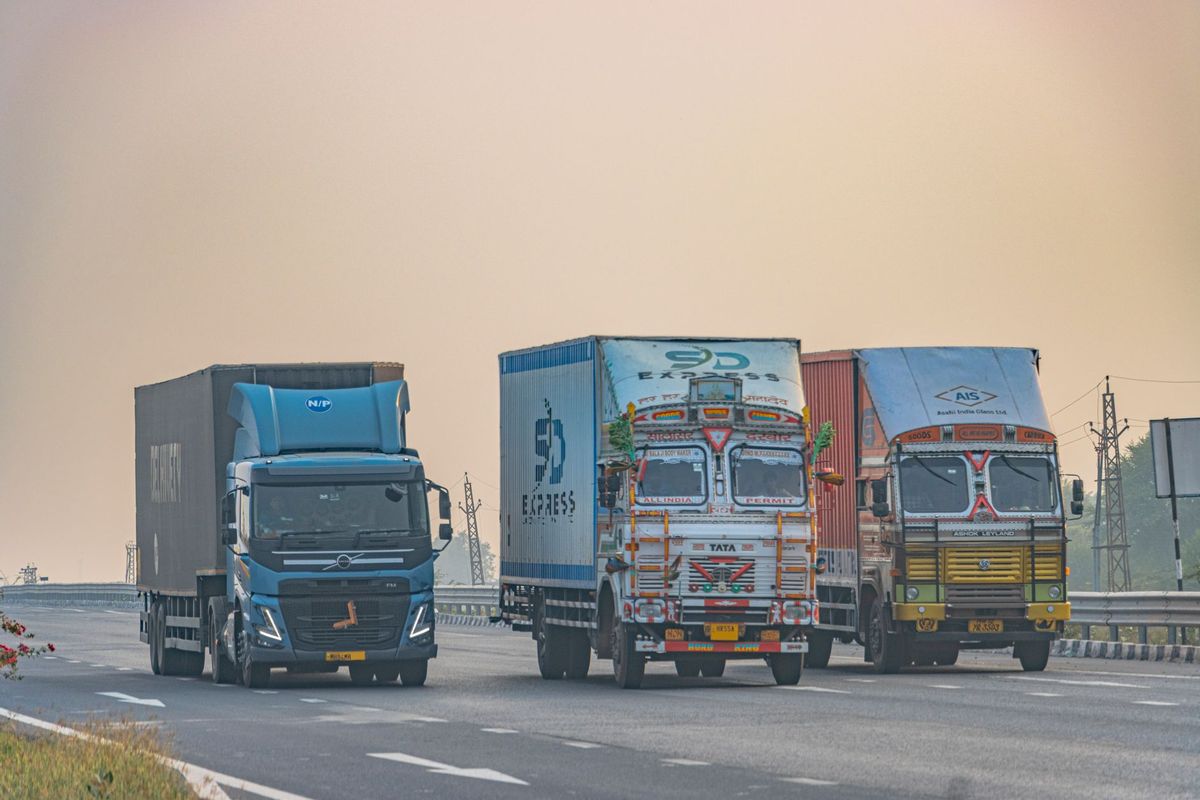 Photo: Pexels
Common Questions
Q: Is it safe to run the AC in a stranded car in the desert? A: Only if the engine is running normally and you have enough fuel. If the car overheated or won’t start, don’t try. Never run the engine in a closed space, and keep a window cracked if you do idle it.
Q: Should I walk to find help if I have no cell signal? A: Usually no. Stay with the car unless you can clearly see help within a mile. If you must walk, go at dawn or dusk, carry all your water, and leave a note on the dash.
Q: Can I sit inside my car to stay out of the sun? A: Not with the windows closed. A parked car heats up fast and can become more dangerous than the outside air. Sit in the shade beside the car, or inside only with doors open and airflow.
Q: How much water should I carry in the desert? A: A common guideline is at least one gallon per person per day. That is a general rule of thumb, so carry more on long, remote drives. Keep extra in the trunk even for short trips.
Q: Does roadside assistance cover remote desert breakdowns? A: Usually yes, but towing distance limits apply and rural miles can exceed your free allowance. Check your plan before you travel. See how far insurance will tow your car for typical limits.
Need roadside help? Visit Tow With The Flow for real answers when your car breaks down.