> **Quick Answer:** Turn on your hazard lights immediately. If the car will roll, shift to neutral and push or steer it out of traffic. If it won't move, stay belted inside unless you're in immediate danger, then exit away from traffic and stand behind the guardrail or on the sidewalk. Call 911 if traffic is heavy. Never stand between your car and moving vehicles.
## What Do I Do the Second My Car Stalls in an Intersection?
Hit your hazard lights first, before anything else. That's the single action that buys you the most time. Other drivers need 2 to 3 seconds of warning to react, and your four-way flashers give them that.
After the flashers are on, try to restart the car once or twice. If it catches, ease through the intersection and pull into the nearest parking lot or side street. If it doesn't start, put the transmission in neutral and assess whether you can roll the car clear. On flat ground, one or two people pushing from the rear corners while you steer is enough to move most vehicles out of the lane. Never push from directly behind the bumper where you can't see oncoming traffic.
If you cannot move the car and traffic is moving around you, stay inside with your seatbelt on. A moving car hitting a stationary one is survivable. A moving car hitting a person standing next to one often isn't.
## Is It Safer to Stay in the Car or Get Out?
Stay inside if traffic is still flowing around you and your car is structurally intact. The car's frame and crumple zones protect you better than the open air. Keep your seatbelt buckled.
Get out only if you smell fuel, see smoke, or someone hits you hard enough that fire or a second impact is a real possibility. If you do exit, open the door on the side away from traffic, step out quickly, and move to the sidewalk, median, or behind a solid barrier. Do not stand between parked or stalled cars in the roadway. Do not walk toward moving traffic to wave cars down.
Once you're clear, [check engine light flashing or car shaking](/check-engine-light-flashing-car-shaking-should-i-pull-over/) can tell you something about what caused the stall, but diagnosing it comes after you're safe.
## How Do I Warn Other Drivers When I'm Stuck in the Middle of an Intersection?
Your hazard lights are doing most of the work. If you have road flares or reflective triangles in your trunk and can safely access them, place them 50 to 100 feet back from your car in the direction of approaching traffic. A single flare on the ground in the lane behind you is visible at night far better than any flashlight or phone screen.
If you don't have flares, a passenger can stand on the sidewalk or curb and wave a jacket or light-colored cloth to alert drivers. That person must stay completely off the road surface. Do not send anyone to stand in the lane.
Call 911 if the intersection is a high-speed or high-volume one, like a signal-controlled crossing on a four-lane arterial. Police or traffic control officers can block the lane while your car is moved. Dispatchers for 911 handle disabled-vehicle calls routinely and can get someone there faster than you'd expect.
## What's Actually Causing the Stall and Does It Matter Right Now?
It doesn't matter in the moment. Your only job right now is getting out of traffic. Common culprits include a failed fuel pump, a dead battery, a faulty crankshaft position sensor (which kills the ignition signal), or
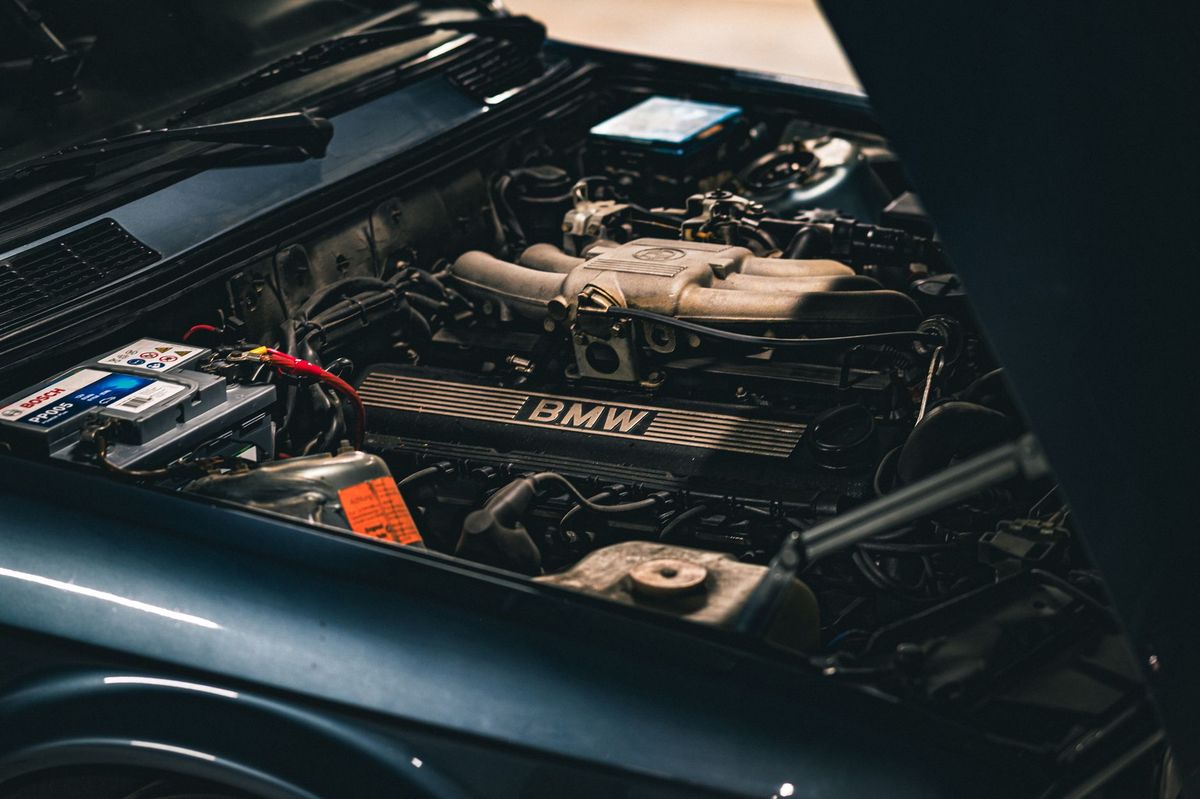
*Photo: Pexels*
a stalled engine from overheating. None of those get diagnosed or fixed at an intersection.
Once you're safe, one restart attempt is worth trying: turn the key off completely, wait 10 seconds, then try again. Some stalls from a brief electrical fault or vapor lock in the fuel line will restart once. If it doesn't catch on the second try, stop cranking. Repeated cranking drains the battery you'll need for hazard lights and can flood the engine.
If the car ran hot before dying, read [car overheated and now won't start](/car-overheated-and-now-wont-start-tow-or-wait/) before you decide whether to push-start it or wait for a tow.
## Who Do I Call to Get My Car Out of the Intersection?
Call 911 first if you're blocking traffic and can't move the car. Police can redirect traffic and call a contracted tow. If the scene is manageable, call a tow service directly or use your roadside assistance coverage.
Tell the dispatcher your exact cross streets, not just the general area. "Northbound lane at 5th and Oak" gets help to the right spot. "Somewhere near downtown" does not.
If you have AAA, your insurer's roadside plan, or coverage through a credit card, use it. If you're paying out of pocket, a local short-distance tow from an intersection to a nearby shop runs $75 to $125 in most U.S. cities. For what happens if you're worried about paying on the spot, see [what happens if I can't pay the tow truck driver](/what-happens-if-i-cant-pay-the-tow-truck-driver/).
---
*Photo: Pexels*
## Common Questions
**Q: Can I push my car out of an intersection by myself?**
A: On flat ground, it's difficult solo but possible for lighter vehicles. You need someone to steer while you push, or you'll push the car in a straight line regardless of what the wheel is doing. Always push from the rear corners, not directly behind the bumper, so you can see approaching traffic.
**Q: Should I call 911 or a tow truck first when stalled in an intersection?**
A: Call 911 first if you're blocking lanes and traffic is moving. They can get police to the scene quickly and dispatch a tow through their contracted services. If you're in a low-traffic area and already clear of the lanes, call your tow service directly.
**Q: Will putting my car in neutral roll it out even if the engine is off?**
A: Yes. Power steering and power brakes won't work without the engine running, so steering will feel very stiff and braking will require much more pedal pressure than normal. Account for this before you start rolling, especially near curbs or other vehicles.
**Q: What if my hazard lights won't work because the battery is dead?**
A: If the battery is completely dead, use road flares, reflective triangles, or have a passenger wave from the curb. At night, a phone flashlight pointed at approaching traffic is better than nothing, but keep the person holding it on the sidewalk, not in the road.
**Q: Do I owe anything if the police call a tow truck for me?**
A: Yes. A police-dispatched tow is still a paid tow, billed to you unless your insurer covers it. Rates vary by city and contracted vendor. You can ask the tow operator for their rate before they hook up if you want to compare, but in a blocked-intersection situation, speed matters more than price shopping.
---
*Need roadside help? Visit [Tow With The Flow](https://towwiththeflow.com/car-stalled-in-intersection-how-to-stay-safe/) for real answers when your car breaks down.*
Car Stalled in Intersection How to Stay Safe: What to Do Right Now
Photo: Pexels