Quick Answer: Your comprehensive auto insurance typically covers towing after an ice-related accident if you have collision coverage. Roadside assistance through insurance or AAA may also apply. Without coverage, you pay out of pocket, usually $75-200 depending on distance and complexity.
What To Do
- Call 911 if injured or blocking traffic
- Contact your insurance company immediately to report the incident
- Check your roadside assistance coverage before calling a tow truck
- Ask the tow operator about payment before they hook up your vehicle
- Take photos of the scene and vehicle damage for insurance claims
- Get a receipt from the towing company regardless of who pays
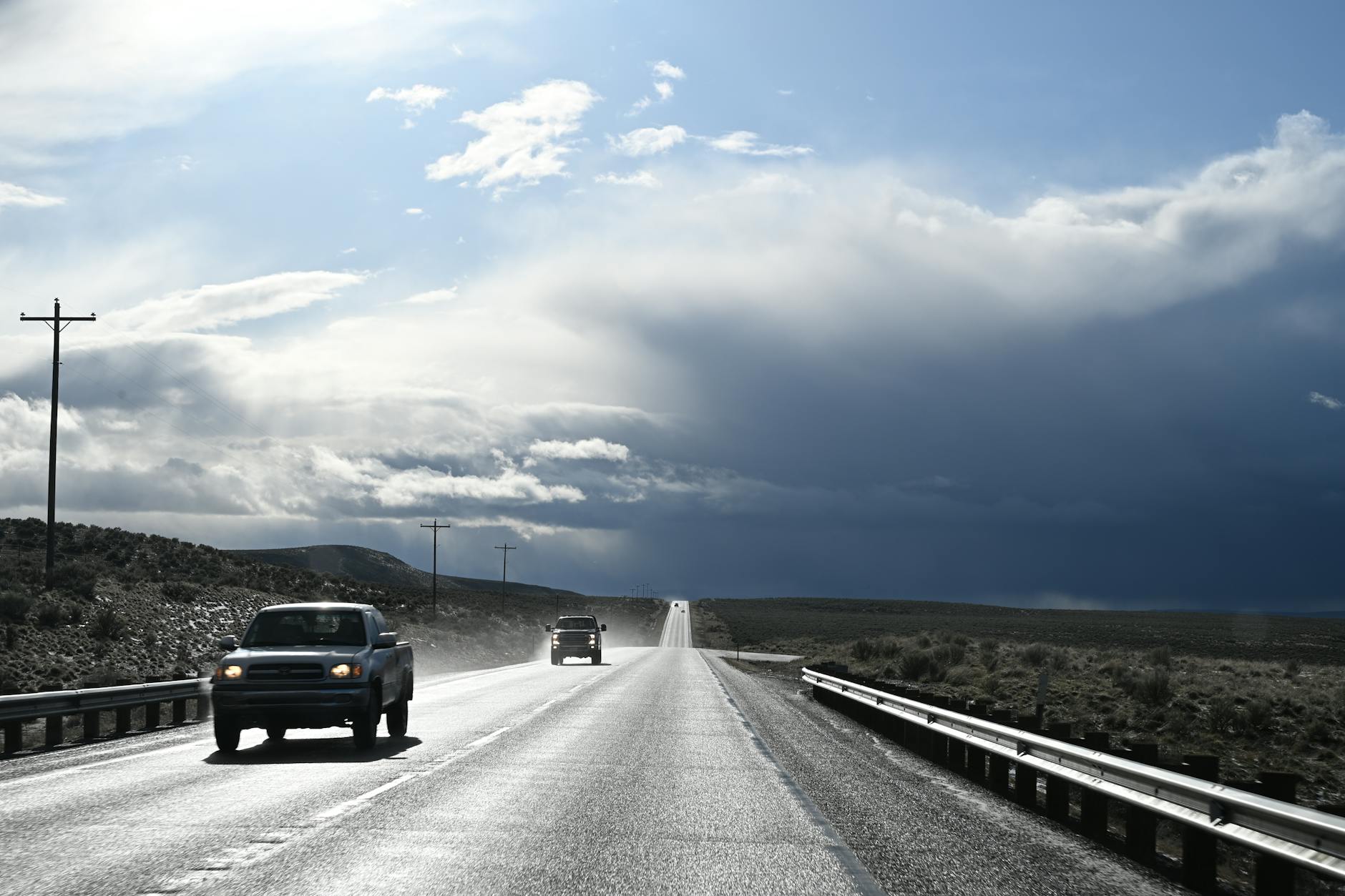
 Photo: Pexels
Insurance Coverage for Ice Accidents
Collision coverage pays for towing when your car slides off the road due to ice. This applies even if no other vehicles are involved. A single-car slide-off on a frozen back road counts as a collision claim the same way a fender bender does. Your deductible still applies, so if your deductible is $500 and the tow costs $150, you are paying that out of pocket anyway. Factor that in before filing a claim, since a small claim can affect your rates.
Roadside assistance through your insurance may cover the tow if you have this add-on. Maximum coverage is usually $100-150 per incident. Crucially, roadside assistance does not require you to file a collision claim, so using it will not trigger a rate increase the way a collision claim might. If the tow falls within that limit, this is almost always the smarter option.
Comprehensive coverage alone typically won’t cover ice slide-offs unless you hit an animal or object. Ice on the road is not a covered peril under comprehensive. Do not assume you are covered just because you pay for comprehensive. Check your declarations page or call your agent and ask specifically about single-vehicle collision events.
One important edge case: if a municipality was negligent in treating a known ice hazard, you may have grounds to pursue the local government for reimbursement. This is rare and slow, but worth noting if the conditions were extreme and documented.
Roadside Assistance Options
- AAA membership: Covers towing up to certain mileage limits
- Credit card benefits: Some cards include roadside assistance
- Vehicle manufacturer programs: Check if your car has built-in coverage
- Cell phone carrier plans: Some include roadside help
AAA Classic covers towing up to 5 miles per incident, while Plus and Premier tiers extend that to 100 miles or more. If you are on a rural road and the nearest lot is 30 miles out, your tier matters a lot. Credit card benefits are frequently overlooked and can cover $50-100 per use, though they often require you to pay first and submit for reimbursement. Manufacturer programs like Ford Roadside Assistance or Toyota’s connected services are worth a quick check in your glove box paperwork before you assume you have nothing.
What It Might Cost
- Short distance tow: $75-125
- Highway or long distance: $125-200+
- Winching from ditch: Additional $50-100
- After-hours service: 25-50% surcharge
Winching is where costs climb fast. If your front wheels are buried in a ditch and the truck has to set up a pulley system or use a second vehicle for a recovery, you can be looking at $200-350 before the actual tow even starts. Winter tows from rural areas at 2 a.m. on a weekend can easily reach $400 total when you stack the after-hours surcharge on top of distance and recovery fees. Get a firm quote before they attach anything to your vehicle.
When You Pay Out of Pocket
You’ll pay directly if you have:
- Liability-only insurance
- No roadside assistance coverage
- Exceeded your annual roadside limits
- Used a non-approved towing service
Some insurers require you to use a preferred tow provider or they will only reimburse a set rate. If you call a random operator and they charge $250 but your insurer caps reimbursement at $100, you absorb the difference. Always ask your insurer for a preferred provider before the truck arrives when possible.
Common Questions
Q: Will filing a tow claim after sliding on ice raise my insurance rates? A: It depends on how you file. Using a standalone roadside assistance benefit typically does not affect your rates. Filing a collision claim might, depending on your insurer and your state’s regulations. Call your agent and ask before deciding which route to take.
Q: What if I slid off the road but the car is still drivable? A: If the car drives safely and you can get it back on the road without a tow, you do not need to file any claim at all. Only call for a tow if the vehicle is stuck, damaged, or unsafe to drive. Unnecessary claims are never worth the potential rate impact.
Q: Does AAA cover winching, or just towing? A: AAA covers winching as part of their standard towing service in most situations, as long as the vehicle is accessible from a public road. Severe off-road recovery or situations requiring special equipment may fall outside standard coverage, so confirm with AAA dispatch before they send a truck.
 Photo: Pexels
Stay Safe
- Turn on hazard lights immediately
- Exit vehicle away from traffic if safe
- Stay visible with reflectors or phone flashlight
- Do not attempt to drive out if wheels are spinning
- Wait inside vehicle if on a busy road
Need roadside help? Visit Tow With The Flow for real answers when your car breaks down.