> **Quick Answer:** Yes, pull over right now. A overheating engine can warp a cylinder head or seize completely within minutes of the temperature gauge hitting red. Get to the right shoulder, turn the engine off, and do not open the hood yet. Do not keep driving to the next exit hoping it cools down. The repair bill for a warped head gasket starts around $1,500 and climbs fast.
## Should I Pull Over Immediately or Can I Make It to the Next Exit?
Pull over now, not at the next exit. An engine running above its normal operating temperature causes damage in minutes, not hours. Once the coolant boils and steam pressure builds in the cooling system, you risk a cracked or warped cylinder head, a blown head gasket, or a seized engine, any of which can turn a $200 coolant leak into a $3,000-plus repair or a totaled car.
If you are on a busy highway and the shoulder is narrow or nonexistent, slow down, turn on your hazard lights, and get to the first safe pullout. Do not pass three exits. Drive one more minute, maximum, if you genuinely have no shoulder, then stop.
## What Do I Do Right After I Pull Over?
Turn the engine off immediately. Do not idle it to "let it cool down." Running the engine keeps the water pump circulating, but if coolant has boiled off or leaked out, you are circulating nothing through a very hot engine block.
Here is the sequence:
1. Turn the engine off.
2. Hazard lights on.
3. Stay in the car if you are on a high-speed highway. Getting out into fast-moving traffic is more dangerous than the engine problem.
4. Wait at least 30 minutes before you do anything under the hood.
5. Never open the radiator cap on a hot engine. Pressurized coolant at 250 degrees will spray out and burn you badly.
After 30 minutes, check under the hood. Look for a visible coolant leak: wet spots on hoses, the radiator, or the water pump area. Check the coolant reservoir level. If the reservoir is empty, you have lost coolant somewhere. If you see white smoke from under the hood, read this first: [Car Overheating White Smoke: When You Need a Tow Truck Right Now](/car-overheating-white-smoke-tow-truck-needed/).
## Can I Add Water or Coolant and Drive Again?
Sometimes, but only if the overheat was mild and you can identify a low coolant level as the clear cause. If the reservoir is simply low and there is no visible leak, adding water in an emergency can get you to the next exit or a shop. Plain water is fine for a one-time emergency top-off.
Do not drive again if:
- You see steam or white smoke coming from the engine
- The temperature gauge goes back up immediately after you start the engine
- You see coolant actively dripping or pooling under the car
- The oil looks milky or frothy on the dipstick (that is a head gasket warning sign)
If any of those are true, the car needs a tow. Driving further will make the repair cost much worse. See also [Car Radiator Leak: Can I Drive to the Mechanic?](/car-
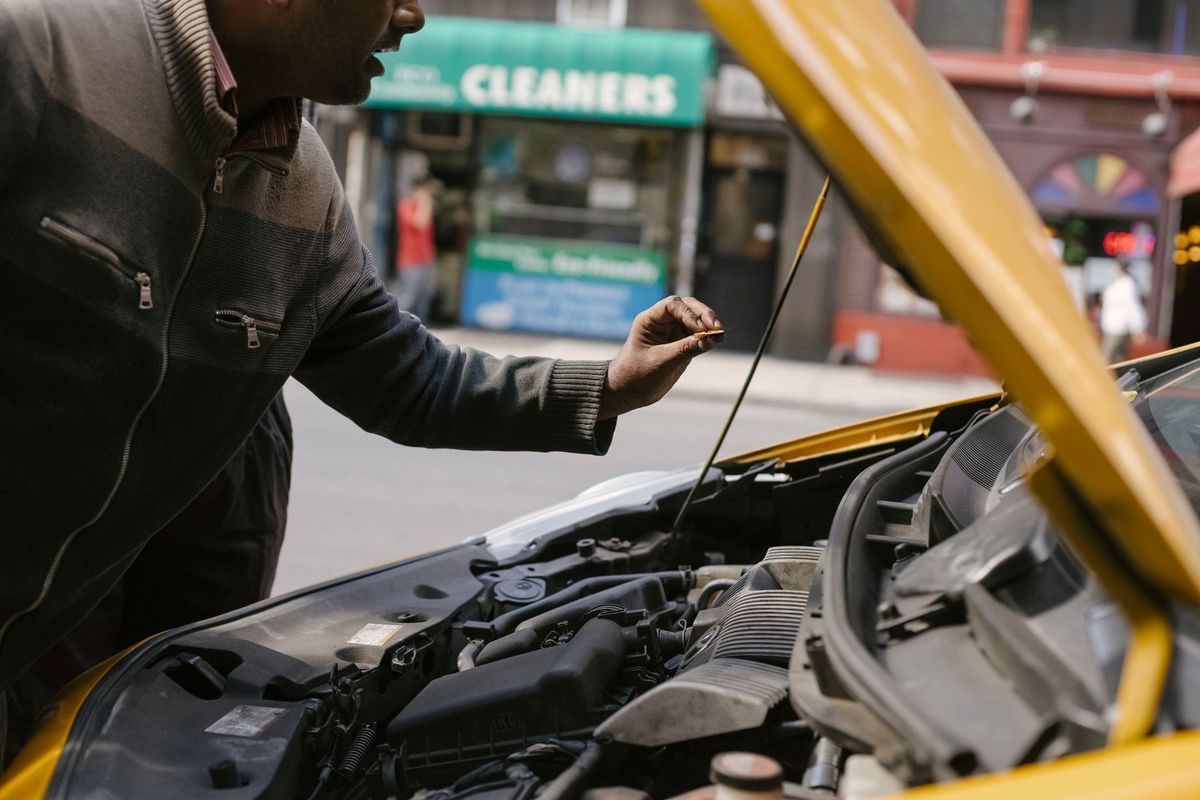
*Photo: Pexels*
radiator-leak-can-i-drive-to-mechanic/) for help making that call.
## How Do I Wait Safely Once I'm on the Shoulder?
Get as far right as possible, ideally past the fog line and onto the paved shoulder. If there is a guardrail, stop before it, not against it. Turn your hazards on before you even come to a full stop.
If you exit the car, exit from the passenger side away from traffic and stand behind the guardrail or on the embankment, not in the travel lanes. On interstates like I-90 or I-10 where traffic runs 70-plus mph, the shoulder is a dangerous place. Stay in your car with your seatbelt on if the shoulder is tight.
Call for a tow. If you have AAA, roadside assistance through your insurer, or a credit card with roadside coverage, now is the time to use it. For tips on staying safe until help arrives, [How to Stay Safe Waiting for a Tow Truck on the Highway](/how-to-stay-safe-waiting-for-tow-truck-on-highway/) covers exactly that situation.
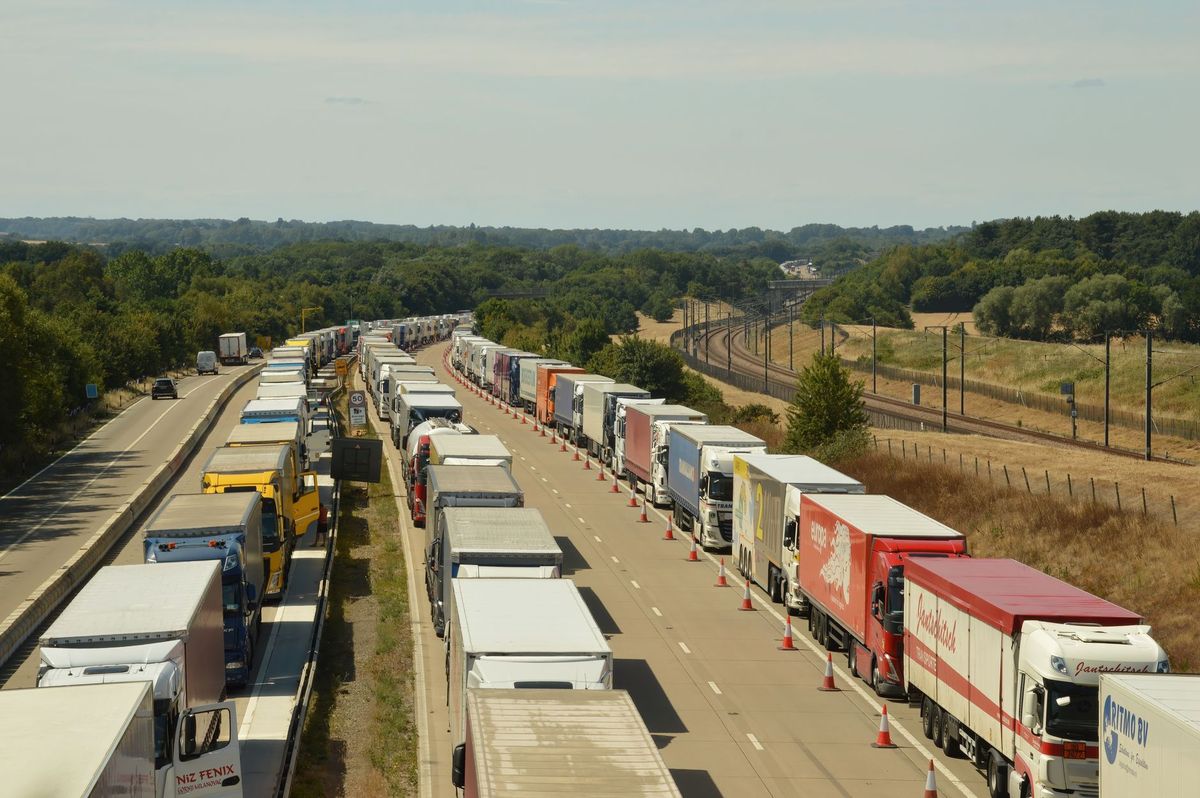
*Photo: Pexels*
## Common Questions
**Q: My temperature gauge just started climbing. How long do I have before I cause damage?**
A: At the red zone, you have roughly two to five minutes before you risk warping a cylinder head. Do not try to time it. Pull over the moment the gauge hits red or you see the warning light.
**Q: What causes a car to overheat on the highway specifically?**
A: Highway driving usually exposes a weak cooling system. Common causes are low coolant from a slow leak, a failing thermostat stuck closed, a water pump that is not circulating properly, or a clogged radiator. High sustained speeds put more heat load on the engine than city driving, so a marginal cooling system that held on in town can fail on the freeway.
**Q: Can I pour cold water on the engine to cool it down faster?**
A: No. Pouring cold water on a hot engine block or exhaust manifold can crack the metal due to thermal shock. Let it cool on its own for at least 30 minutes.
**Q: Will my insurance cover the tow if my engine overheats?**
A: Most standard policies do not cover towing under collision or comprehensive. You need roadside assistance coverage, a separate rider, or a membership like AAA. Check [Does Insurance Cover Towing If Car Breaks Down (Not an Accident)?](/does-insurance-cover-towing-if-car-breaks-down-not-accident/) for a clear breakdown of what covers what.
**Q: My car overheated and now it won't start. What happened?**
A: If the engine seized, the pistons have fused to the cylinder walls from extreme heat. That is a catastrophic failure that typically means engine replacement. If it just cranks and won't fire, it may have hydrolocked from coolant entering the combustion chamber through a blown head gasket. Either way, do not keep cranking. You need a tow and a diagnosis before doing anything else.
---
*Need roadside help? Visit [Tow With The Flow](https://towwiththeflow.com/car-overheating-on-highway-should-i-pull-over-now/) for real answers when your car breaks down.*
Car Overheating on Highway: Should I Pull Over Now?
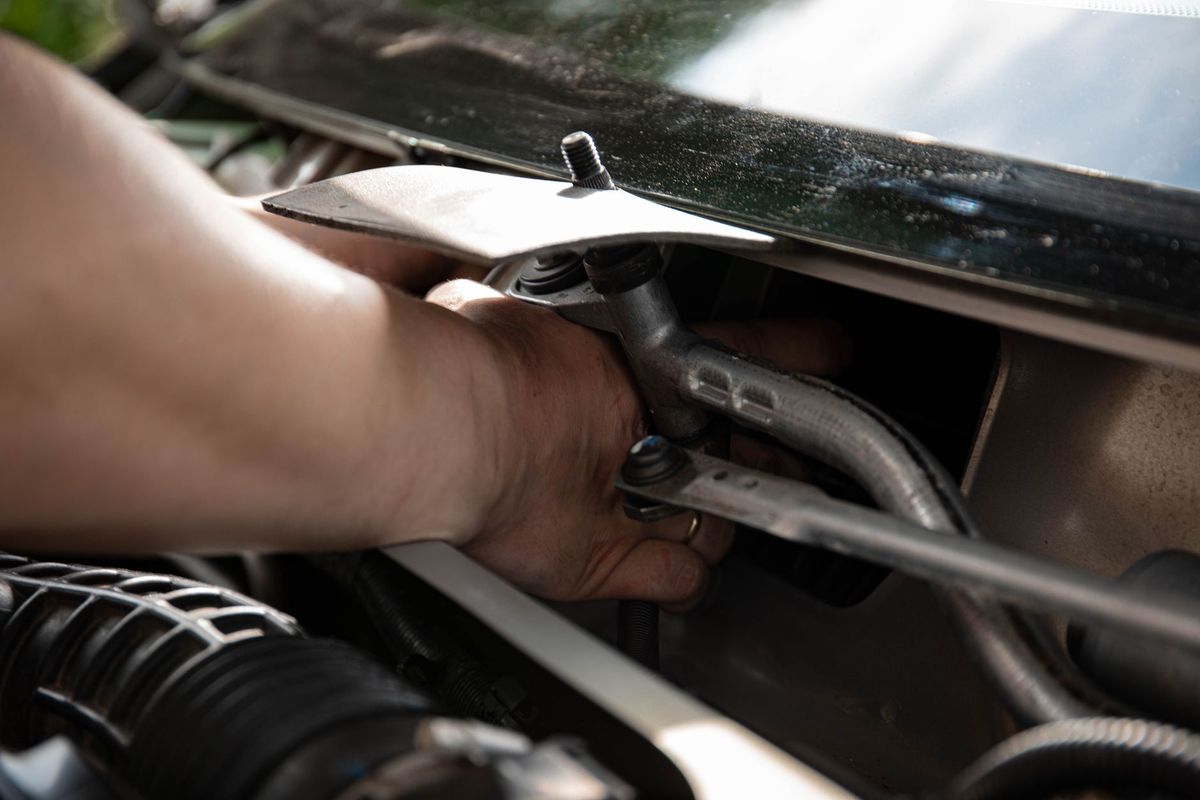
Photo: Pexels