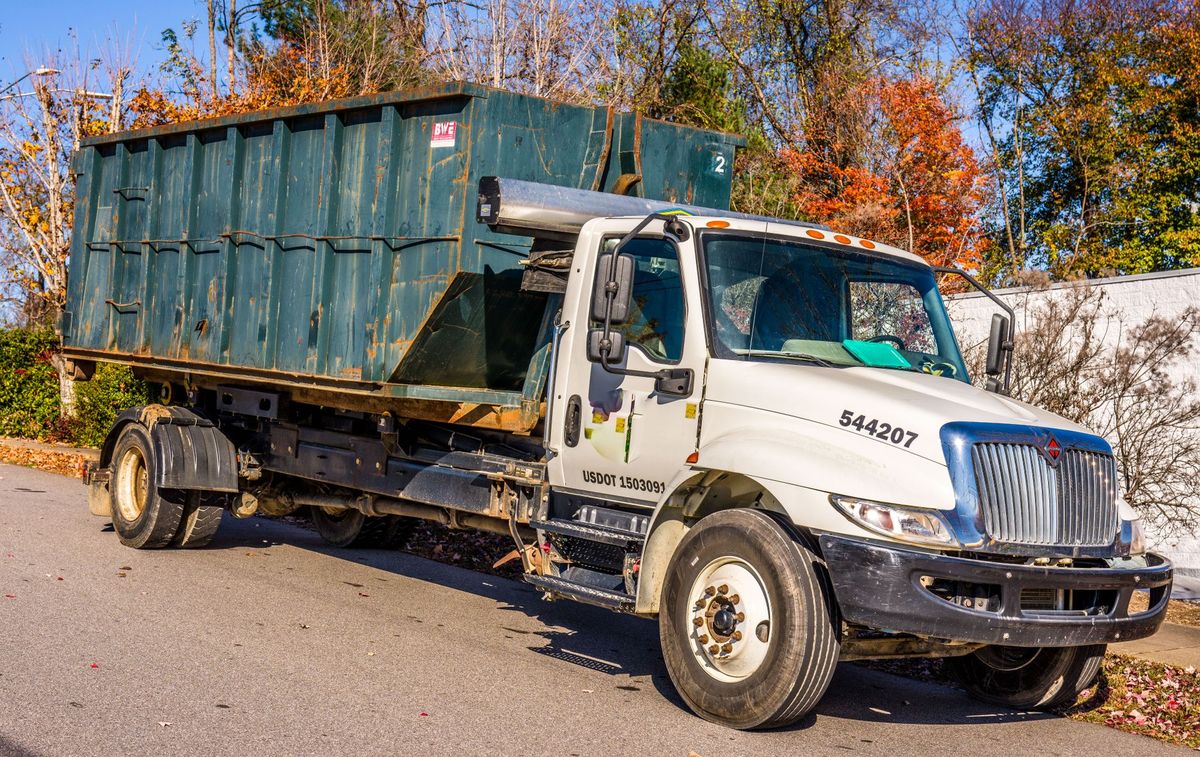
Quick Answer: A grinding noise when braking usually means your pads are worn down to the metal backing plate and are chewing into the rotor. It is not safe to keep driving normally. If the pedal feels firm and the car stops straight, you may creep a short, slow distance to a shop. If the pedal is soft, the car pulls hard, or the noise is violent, tow it.
Is It Safe to Drive With a Grinding Noise When Braking?
Not for long, and not at highway speed. Grinding almost always means the friction material on your brake pads is gone and metal is scraping metal, which cuts your stopping power and destroys the rotor.
Here is how to decide fast:
- Firm pedal, straight stops, noise only when braking: You can drive slowly to a nearby shop. Keep it under 35 mph, avoid highways, and leave a long gap in front of you.
- Noise happens even when you are not braking: Think stuck caliper or failed wheel bearing. Do not drive it.
- Pedal sinks, feels spongy, or the car pulls to one side: Stop and tow. See what to do if the brake pedal went to the floor.
- Burning smell or smoke from a wheel: Pull over and let it cool. A seized caliper can ignite grease and fluid. Read what a burning smell after driving means.
If you are unsure, tow it. A tow costs less than a crash.
What Is Actually Causing the Grinding?
Worn-out brake pads are the cause most of the time, but the exact sound tells you more. A metallic scrape or deep growl on every stop means pads are gone. A grinding that only starts after the car sits overnight and fades after a few stops is usually light surface rust on the rotors, which is harmless.
Other causes worth knowing:
- A rock or debris caught between the rotor and the dust shield. Common on gravel roads. It makes a scraping sound that can come and go.
- A seized caliper slide or piston. The pad stays pressed on the rotor, so you hear grinding, smell heat, and one wheel runs hotter than the others.
- A loose or missing anti-rattle clip or shim. The pad shifts and scrapes.
- A failing wheel bearing. This produces a rumble or hum that changes with speed and turning, not just braking.
Squealing before the grind is the wear indicator tab on the pad doing its job. If you ignored a high-pitched squeal for weeks, grinding is the next stage.
How Do I Check the Brakes Before Deciding?
You can get useful information in two minutes without tools. Park on level ground, then look through the wheel spokes at the brake rotor, the shiny metal disc.
- Deep grooves or a rusty lip on the rotor edge: The pads have been gone a while. The rotor likely needs replacing.
- Very thin pad material: You should see at least a few millimeters of pad against the rotor. If you see almost none, or just metal, that confirms it.
- One wheel noticeably hotter than the rest after a short drive: Carefully hold your hand near, not on, the wheel. A much hotter wheel points to a stuck caliper.
- Brake fluid low or dark in the reservoir: A low level can mean a leak or heavily worn pa
 Photo: Pexels
ds.
Actionable tip: on the next stop, brake gently from low speed in an empty lot. If the car stays straight and the pedal stays high, you have more margin. If it pulls or the pedal drops, you are done driving.
When Should I Tow Instead of Driving to the Shop?
Tow it if the pedal is soft, the car pulls, the noise is loud and constant, or you must use a highway or steep grade to get there. Metal-on-metal braking builds extreme heat, and brakes that fade on a downhill have no backup.
Also tow if the grinding came with a brake warning light, a pulsing pedal, or any fluid at the wheel. Ask for a flatbed if a wheel is locking or dragging, since pulling a dragging wheel on a wheel-lift can damage the car further. This quick guide covers how to know if your car needs a flatbed tow.
If you carry coverage, check it before you pay out of pocket. Many plans include a tow to the nearest shop, though distance limits apply. See how far insurance will tow your car after a breakdown.
How Much Does Fixing Grinding Brakes Cost?
Pads alone on one axle usually run roughly $150 to $300 at a typical independent shop. If you waited and the rotors are scored, add rotor replacement and expect the axle to land roughly $300 to $700 or more depending on the vehicle. Trucks, European cars, and cars with electronic parking brakes cost more.
Caliper replacement adds to that, and brake fluid service may be recommended. Prices vary a lot by region and vehicle, so get a written estimate before approving work. Catching it at the squeal stage is what keeps this a cheap job instead of a rotor-and-caliper job.
 Photo: Pexels
Common Questions
Q: Can I drive with grinding brakes for a few days? A: It is a gamble. Every stop grinds metal into the rotor and lengthens your stopping distance. If you must move the car, keep trips short, slow, and off highways, and book the repair immediately.
Q: Why do my brakes grind only in the morning? A: Overnight moisture forms a thin rust film on the rotors that the pads scrape off in the first few stops. If it clears quickly and the noise is gone afterward, it is normal. If it persists, the pads are likely worn.
Q: Is grinding when braking the same as grinding when turning? A: No. Grinding only when you brake points to pads or rotors. Grinding or humming while turning, or that changes with speed, usually points to a wheel bearing or CV joint.
Q: Will a tow truck driver refuse to tow a car with bad brakes? A: Usually not, but tell the dispatcher up front so they send a flatbed if a wheel is dragging or locked. A dragging wheel can be damaged further on a wheel-lift tow.
Q: Do I need to replace rotors every time I replace pads? A: Not always. If the rotors are above minimum thickness and not deeply scored, they can sometimes be resurfaced or reused. Rotors with deep grooves or lips from grinding usually need replacing.
Need roadside help? Visit Tow With The Flow for real answers when your car breaks down.