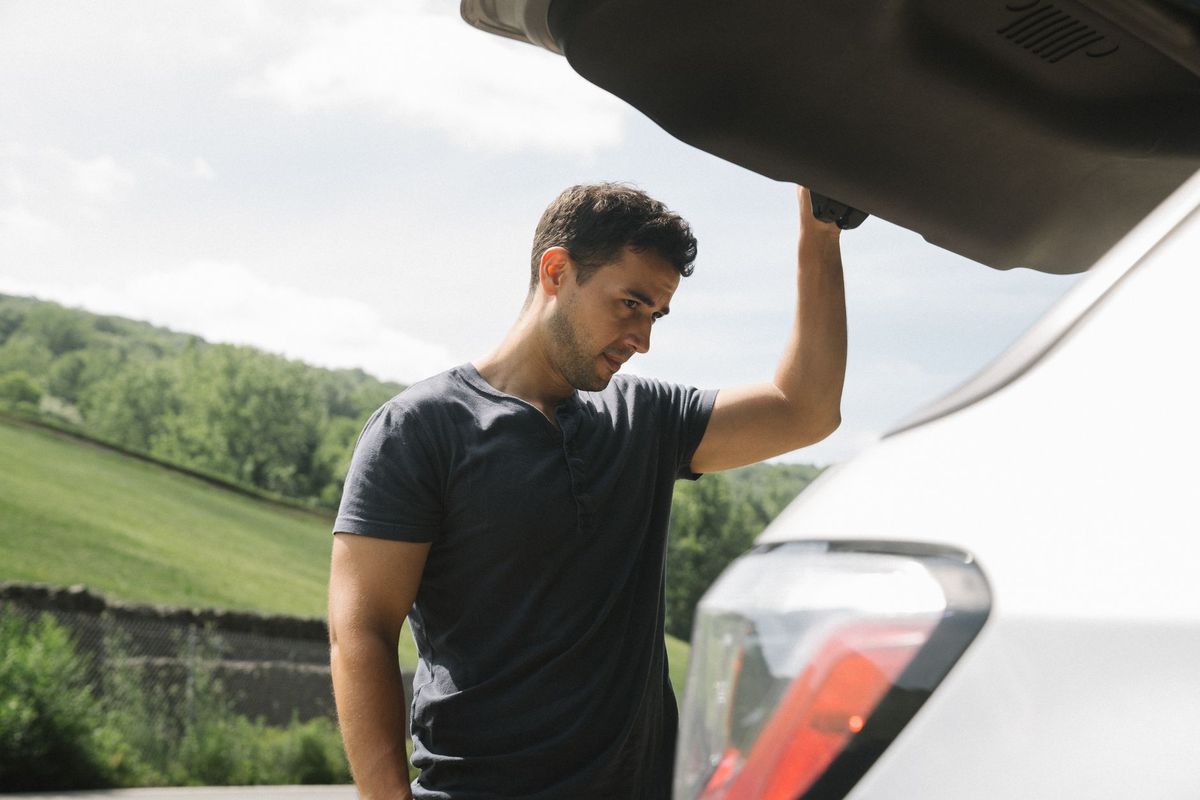
Quick Answer: Yes, pull over at the first safe spot if the smell is strong, comes with smoke, or shows up alongside a warning light or temperature spike. A faint smell that fades after a few minutes may be minor, like oil dripping on a hot exhaust. Don’t keep driving to “see if it goes away.” Shut the engine off, step away from the car, and identify the smell before you restart.
Should I Pull Over Right Now If My Car Smells Like Burning?
Yes. If you can smell it while you’re still moving, pull over as soon as it’s safe, because a burning smell means something is overheating, leaking onto hot metal, or rubbing where it shouldn’t.
Signal, get to the shoulder or a parking lot, and shut the engine off. Don’t pop the hood right away if you see smoke or steam. Wait a few minutes, since opening it feeds oxygen to a fire. Keep your distance from the front of the car.
If you see flames, get everyone out and well away from the vehicle, then call 911. Don’t go back for belongings.
What Does the Smell Tell Me About What’s Burning?
The type of smell narrows down the cause fast, and some causes are far more dangerous than others.
- Burning rubber: A slipping or seized belt, or a hose touching a moving pulley. A seized accessory pulley can shred the serpentine belt. See Serpentine Belt Snapped While Driving: Is It a Tow? if the belt already let go.
- Burning oil (acrid, sharp): Usually a valve cover gasket leaking onto the exhaust manifold. Common and often survivable short-term, but oil on a hot manifold can ignite.
- Sweet, syrupy smell: Coolant leaking onto hot engine parts. Check your temp gauge immediately. If it’s climbing, shut down. See Coolant Leaking Fast: Can You Drive to the Nearest Mechanic?.
- Burning plastic or electrical: Melting wiring insulation or a failing electrical component. This one is a fire risk. Don’t drive it.
- Burning carpet or acrid chemical smell from the wheels: Overheated brake pads or a stuck caliper. After a long downhill drive, hot brakes can smell like this and may be a lesson to downshift next time. If it happens on flat road, a caliper is dragging.
- Burnt toast or sharp, acrid smell inside the cabin: Often an electrical short or an overheating heater blower resistor.
- Rotten eggs or sulfur: A failing catalytic converter or a rich fuel mixture. Not an immediate fire emergency, but get it diagnosed.
What Do I Check Once I’ve Pulled Over?
Look before you touch anything, because most dangerous situations are visible within thirty seconds.
- Engine off. Hazards on.
- Check the dash. Was the temperature gauge in the red or the oil light on before you stopped?
- Walk around the car. Look under it for drips and check each wheel. A wheel too hot to hold your hand near points to a dragging brake.
- Wait 15 to 20
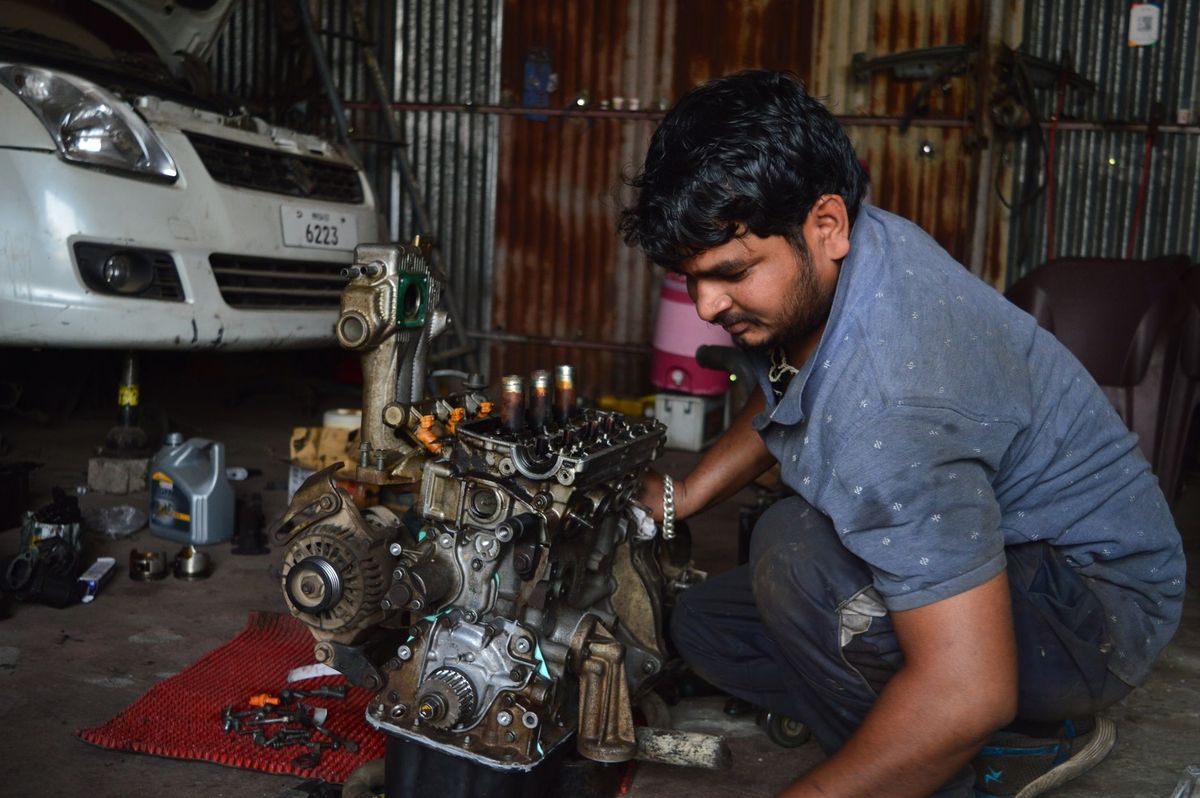 Photo: Pexels
minutes before opening the hood. Then look for visible smoke, wet spots, shredded belt pieces, or melted wire insulation.
- Sniff near each wheel and the engine bay to locate the source.
One practical tip: if you smell it after a hard stop or long descent, touch-test is not safe, but a quick look for smoke off a single wheel tells you it’s a brake, not the engine.
If the temperature gauge was climbing, treat it as overheating. Car Overheating Every Few Miles: Can I Drive or Do I Tow? covers that call in detail.
Is It Safe to Keep Driving After the Smell Stops?
Only if you found a harmless cause, like a small oil drip burning off the exhaust or road debris on the hot underside. If you don’t know the source, assume it’s not safe.
Smells that fade can still mean a slow leak or a failing part that will let go again under load. Drive only a short, low-speed distance to a shop if you found a minor oil drip, the temp gauge is normal, and there’s no smoke. Skip that option entirely for burning plastic, electrical smells, coolant smell with a rising gauge, or burning rubber with a squealing or missing belt.
When in doubt, tow it. A tow costs far less than an engine or a fire. If you’re stuck waiting, How Long Does It Take for a Tow Truck to Arrive on the Highway? sets realistic expectations.
 Photo: Pexels
Common Questions
Q: Is a burning smell after driving always serious? A: No. A small amount of oil or road debris burning off the exhaust can cause a brief smell that fades quickly. But you can’t tell harmless from dangerous by smell alone, so stop and check before continuing.
Q: Why does my car smell like burning rubber after driving? A: Usually a slipping or seized belt, a hose rubbing a pulley, or a dragging brake. Check the belt area under the hood once the engine cools and feel for a hot wheel.
Q: Can I drive with a burning oil smell? A: Possibly for a short, careful trip if the oil level is fine, there’s no smoke, and the gauge is normal. A leak onto a hot manifold can ignite, so get it fixed soon and keep the oil topped off.
Q: My car smells like burning but the temperature gauge is normal. Should I still stop? A: Yes. Electrical shorts, brake problems, and oil leaks all happen without moving the temp gauge. A normal gauge rules out overheating, not a fire risk.
Q: What does a burning smell with white smoke from under the hood mean? A: Often coolant hitting hot metal, or steam from a leak. Pull over, shut it off, and don’t open the radiator cap while hot. See Smoke Coming from Under Hood While Driving: What to Do.
Need roadside help? Visit Tow With The Flow for real answers when your car breaks down.