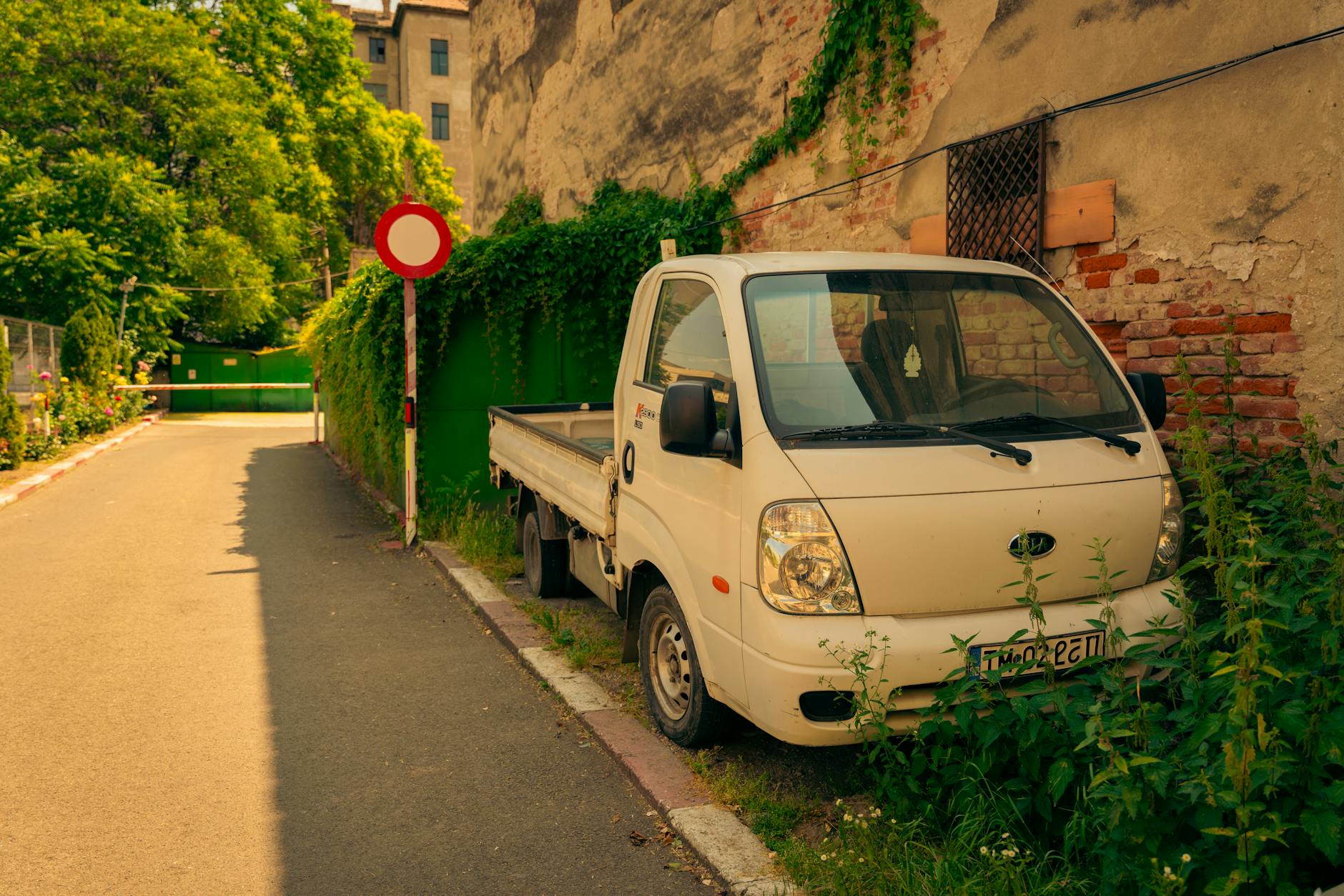
Quick Answer: Stop driving immediately if you see red (transmission), green (coolant), or black oil pooling rapidly. Clear or light-colored fluid might be condensation and usually safe. Dark, thick leaks or large puddles mean call for emergency tow right now.
What To Do
- Pull over safely and turn off the engine immediately
- Check the fluid color and amount by looking under the car from a safe distance
- Red fluid: Transmission fluid. Do not drive. Call tow truck.
- Green/orange fluid: Coolant. Engine will overheat. Call tow truck.
- Dark oil: Major leak means no lubrication. Call tow truck.
- Clear water: Likely AC condensation. Safe to drive short distances.
- Take a photo of the leak and fluid color for the mechanic
- Check fluid levels on dipsticks if you can do so safely
- Never drive if you see steam, smell burning, or hear unusual noises
A few extra things worth knowing here. A slow drip, maybe one drop every 30 seconds, is very different from a steady stream or a spreading puddle. A drip might buy you time to limp carefully to a shop. A puddle forming in under two minutes means the system has already lost significant volume and driving another mile could destroy your engine or transmission. When you check dipstick levels, if the oil reads bone dry or the coolant reservoir is completely empty, the leak has been going on longer than you realized and the damage risk is already elevated.
If the fluid is between your front wheels, it is more likely power steering, coolant, or oil. If it is between your rear wheels on a front-engine car, suspect a fuel leak, differential fluid, or brake fluid. Brake fluid is one people often miss: it is light amber to clear when fresh, darkens with age, and a brake fluid leak is an immediate safety emergency regardless of quantity. Even a small brake fluid leak can cause total brake failure within minutes of driving.
 Photo: Pexels
Immediate Safety Checks
Before calling for tow, verify these danger signs:
- Temperature gauge rising: Engine overheating imminent
- Oil pressure light on: Engine damage happening now
- Large puddle forming: Major system failure
- Sweet smell: Coolant leak, toxic and flammable
- Burning smell: Fluid hitting hot components
The oil pressure light deserves special attention. That light does not come on as a warning that pressure is getting low. It comes on when pressure has already dropped to a critically dangerous level. If that light is on and you keep driving, you are looking at spun rod bearings or a seized engine within minutes. Repair cost at that point typically starts at $3,000 and can run much higher. The temperature gauge tells a similar story: anything in the red zone means the coolant is already boiling or gone, and head gasket failure or a warped cylinder head is already possible.
What It Might Cost
Emergency tow during business hours: $75-150 for first 5 miles After hours or weekends: $100-200 Major repairs if you keep driving: $1,500-5,000+
The tow cost is nothing compared to engine replacement.
To put that in sharper terms: a seized engine on a mid-size sedan runs $4,000 to $8,000 for a remanufactured replacement installed. A blown transmission is $2,500 to $5,000. A tow is a fixed, known cost. Driving on is gambling your entire repair bill on the next few miles.
Fluid Identification Quick Guide
Red/Pink: Transmission or power steering fluid Green/Yellow: Engine coolant (antifreeze) Brown/Black: Engine oil or brake fluid Clear: Usually water from AC system Blue: Windshield washer fluid (safe)
One detail that catches people off guard: new engine oil is amber and fairly transparent. It only turns dark brown or black after it has been in the engine for a while. So if you see a clear amber drip, that could still be a fresh oil leak from a recently serviced vehicle. Check the dipstick to confirm.
 Photo: Pexels
Common Questions
Q: Can I add more oil or coolant and drive to the shop instead of calling a tow? A: Only if the leak is genuinely slow, the shop is under 5 miles away, and your gauges and warning lights are normal. Top up the fluid, watch the temperature gauge and oil pressure light the entire drive, and pull over immediately if either moves. If the shop is farther than that or the leak is anything more than a slow drip, call the tow.
Q: How do I know if the fluid under my car is just AC condensation? A: AC condensation is always clear and odorless, appears directly below the passenger footwell area on most vehicles, and only happens after you have been running the air conditioning. If the puddle is anywhere else, has any color at all, or has a smell, it is not condensation.
Q: Is a small transmission fluid leak okay to ignore for a few days? A: No. Transmission fluid does not burn off like coolant can; once it is on the ground it is gone. Low transmission fluid causes overheating and slipping inside the unit, and automatic transmissions can fail completely with surprisingly little fluid loss. Get it inspected within 24 hours, not a few days.
Stay Safe
- Park away from traffic with hazards on
- Never crawl under a leaking vehicle
- Keep windows cracked if you smell fumes
- Exit vehicle if you see flames or heavy smoke
- Have your location ready when calling for help
- Keep engine off once you stop
Need roadside help? Visit Tow With The Flow for real answers when your car breaks down.