Quick Answer: Don’t try to drive out. A hydroplane into a ditch often damages suspension, tires, or the undercarriage in ways that aren’t visible. Call 911 if anyone is hurt, then call a tow truck or your roadside assistance provider. You need either a wrecker with a winch or a flatbed, depending on how deep the car is sitting. Expect $100 to $300 for a basic ditch recovery.
My Car Just Slid Into a Ditch. What Do I Do in the Next 60 Seconds?
Get off the road and away from traffic immediately. Turn on your hazard lights, stay inside the vehicle if you’re on a highway shoulder, and call 911 if the car is in a lane, on an embankment, or if anyone is injured. If you’re safely off the road and no one is hurt, your next call is to a tow service or roadside assistance.
Do not spin your tires trying to get out. Wet soil or gravel will just dig the car deeper, and if there’s any suspension damage from the impact, driving it can turn a $400 repair into a $2,000 one. Put it in park, set the parking brake, and wait.
If you’re on a busy road at night, get out of the car on the passenger side away from traffic and move up the embankment. A car in a ditch is a target for distracted drivers, especially in the same rain that caused your slide.
What Kind of Tow Truck Do I Need to Pull a Car Out of a Ditch?
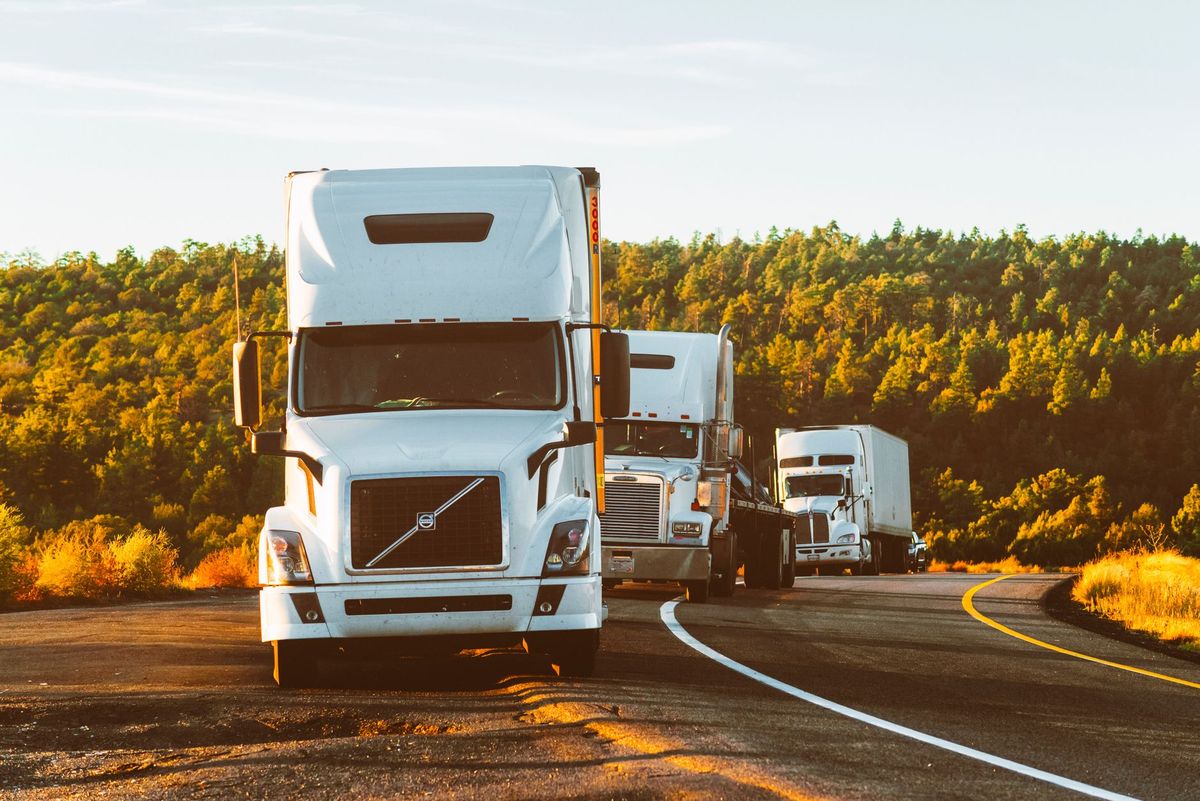
Most ditch recoveries use a wrecker with a winch, not a standard flatbed. The wrecker hooks a cable to your car’s frame and pulls it back onto level ground, then a flatbed takes it from there if the car isn’t driveable.
If the car is buried deep, sitting at a sharp angle, or has water in the cabin, a heavy-duty recovery truck may be needed. Tell the dispatcher exactly what you see: how deep the car sits, whether it’s on its side, and whether there’s water involved. That determines the equipment they send. Sending the wrong truck wastes your time and theirs.
For a standard ditch off a two-lane road, a single wrecker with a winch is usually enough. On a steep highway embankment, like the grades you’d find on I-70 in mountain states, operators sometimes need two trucks or a larger rig.
Will Insurance Cover Towing After a Hydroplane Accident?
Comprehensive coverage or collision coverage typically applies, depending on the circumstances. A hydroplane into a ditch is usually filed as a single-vehicle collision, which means your collision deductible applies. If you have roadside assistance added to your policy, that covers the tow itself, though recovery from a ditch sometimes costs more than a standard tow and the overage comes out of pocket.
Call your insurer from the scene before the tow truck arrives. Get the claim number, confirm what’s covered, and ask whether you can choose your own shop. For the towing cost specifically, see who pays towing costs after a not at fault accident if another driver contributed to the incident.
If you have AAA or a similar membership, call them first. Standard AAA Classic covers towing up to 5 miles, but ditch recovery with a winch is sometimes billed as a separate service. Does AAA pay for towing if a car is not driveable after a crash explains how that works in practice.
Is the Car Safe to Drive After Being Pulled Out?
Probably not, and you should assume it isn’t until a mechanic says otherwise. A ditch impact, even at low speed, can bend a control arm, crack a tie rod, puncture a tire sidewall, or shift the subframe. These don’t always
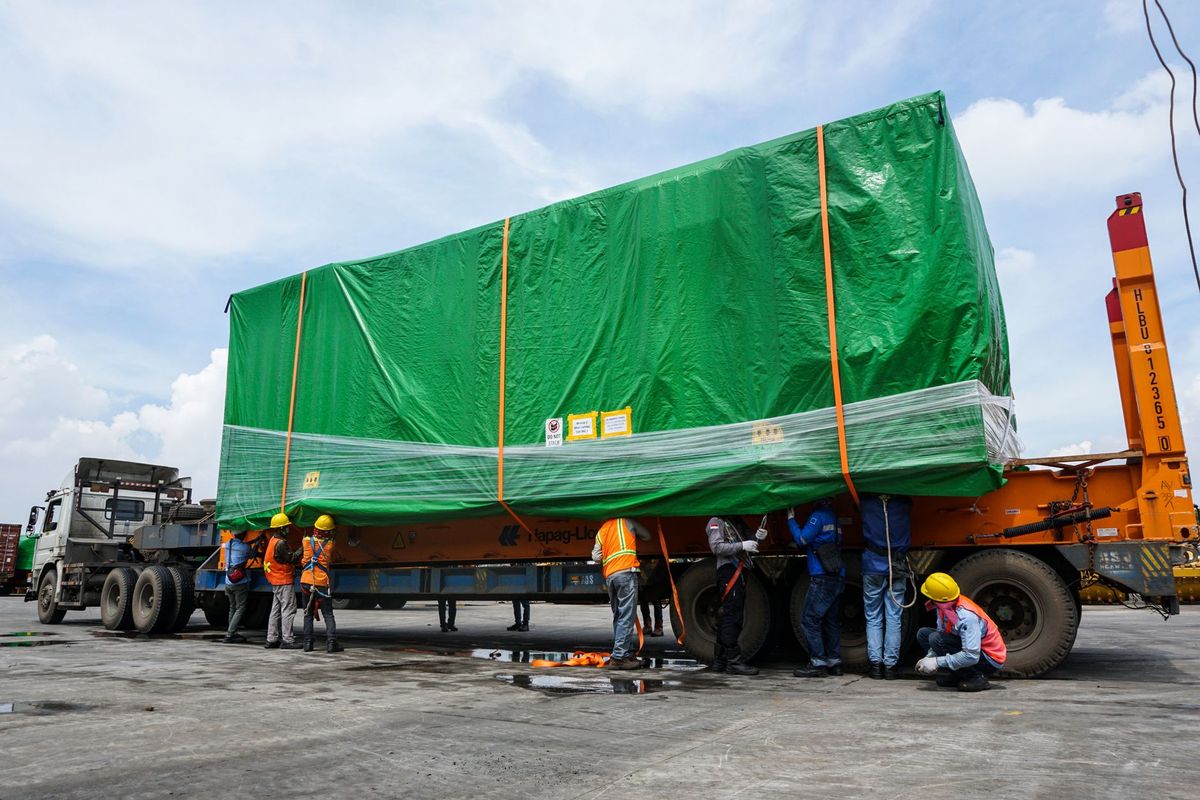 Photo: Pexels
make obvious noise right away.
Photo: Pexels
make obvious noise right away.
Walk around the car after it’s pulled out. Look for:
- Tires that look bent inward or outward (camber shift, usually means a bent spindle or control arm)
- Fluid pooling under the car
- Sheet metal pressing against a tire
- The car sitting noticeably lower on one corner
If anything looks off, do not drive it. Have it loaded onto a flatbed and taken to a shop. If it looks fine visually, drive it slowly and listen for grinding, pulling to one side, or any new vibration before getting back on the highway. A car that hit a pothole and is now making noise has a lot in common with a ditch impact, mechanically speaking.
How Much Does a Ditch Recovery Tow Cost?
A basic winch-out from a shallow ditch runs $100 to $200 in most parts of the country. A deeper recovery with difficult terrain or a larger vehicle can reach $300 to $500. If a second truck is needed, add another $150 to $250 on top.
After the car is back on level ground, you still need it transported if it’s not driveable. A local flatbed tow typically adds $75 to $150 for the first 5 to 10 miles. All in, plan for $200 to $500 total if the car needs both recovery and transport. Rates are higher at night, on weekends, and during active storms when demand spikes.
 Photo: Pexels
Common Questions
Q: Can I use a friend’s truck and a tow strap to pull my car out of the ditch myself? A: You can if the car is barely off the road and the ground is firm, but it’s risky. A tow strap on an uneven pull can snap back and cause serious injury, and if the car is stuck at an angle, an amateur pull can damage the bumper, frame, or drivetrain. A professional winch recovery is not expensive enough to justify the risk.
Q: How long will I wait for a tow truck after a hydroplane accident during heavy rain? A: During active storms, wait times can stretch to 60 to 90 minutes because every truck is busy. Call as soon as you’re safe, not after you’ve decided the car won’t drive out on its own. The earlier you call, the shorter your wait.
Q: Do I need to call police for a single-car hydroplane into a ditch? A: If no one is injured and the car is fully off the road, many states don’t require a police report for single-vehicle incidents on private or low-traffic roads. On a highway or if the car is partially blocking a lane, call 911. A police report also helps with any insurance claim, so it’s usually worth the call regardless.
Q: What if my car hydroplaned into a ditch and there’s water rising around it? A: Get out immediately. Rising water changes everything. A car can be swept or float in surprisingly shallow moving water. Exit through a window if needed, move to high ground, and call 911. The car is replaceable. For situations where the car went fully into water, car submerged in water after flooding covers exactly who to contact.
Q: Will my car hydroplane incident show up on my insurance as an at-fault accident? A: A single-vehicle collision is typically recorded as an at-fault event because no other driver is involved, even if road conditions caused it. Whether your rates go up depends on your insurer and your history. Some companies offer accident forgiveness for a first incident. Ask your agent directly before filing if the damage is minor.
Need roadside help? Visit Tow With The Flow for real answers when your car breaks down.