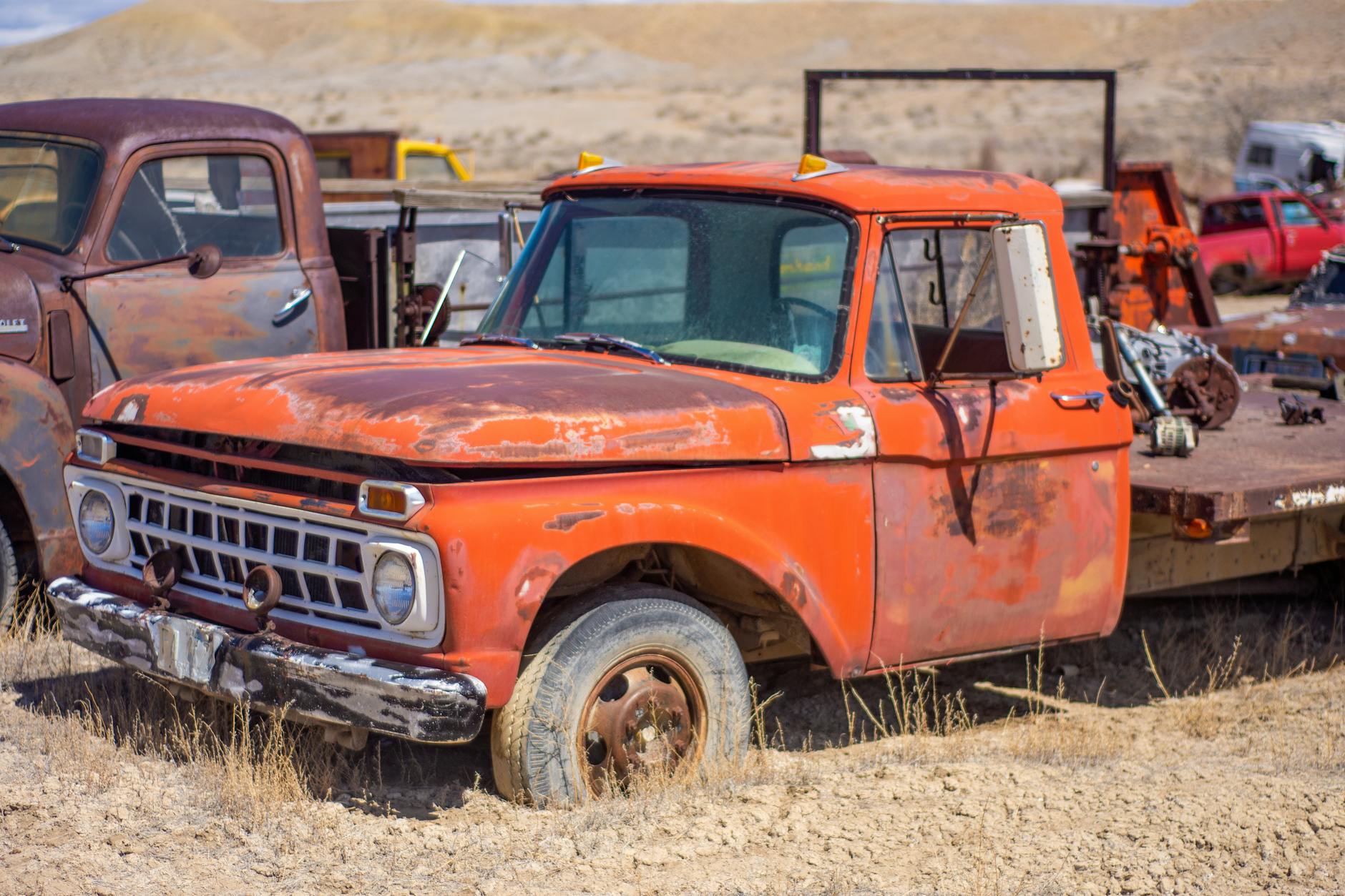
Quick Answer: You’re responsible for towing costs when your car breaks down on toll roads. Highway patrol may arrange removal, but you pay the bill. Costs range $150-400 for basic towing, more for long distances or heavy vehicles. Some toll authorities have emergency programs with set rates.
What To Do
Pull over safely to the right shoulder as far as possible. Turn on hazard lights.
Call 911 or highway patrol immediately. Many toll roads prohibit unauthorized towing services for safety. On major toll corridors like the New Jersey Turnpike, the Pennsylvania Turnpike, or Florida’s Turnpike system, only pre-approved rotation tow companies can operate on the roadway. If a random tow truck pulls up without being dispatched, do not let them hook up your vehicle.
Contact your insurance or roadside assistance while waiting. AAA, insurance roadside coverage, or credit card benefits may cover costs. Call early, because some providers need to authorize service before a tow happens to reimburse you fully.
Stay in your vehicle unless it’s unsafe. Exit from the side away from traffic if you must get out. On high-speed toll roads and bridges, the shoulder is genuinely dangerous. If you smell fuel, smoke, or the car is in an active lane, get out and move behind a guardrail or barrier immediately.
Work with authorized towing only. Highway patrol will direct you to approved operators for that stretch of road.
Get written estimates before agreeing to service. Ask specifically about hookup fees, per-mile charges, and storage fees if your car goes to an impound lot. These are often listed separately and can add up fast.
Document everything for insurance claims: photos, receipts, incident numbers from highway patrol. Take a photo of the tow truck’s placard number, the driver’s name, and the company name before they move your car.
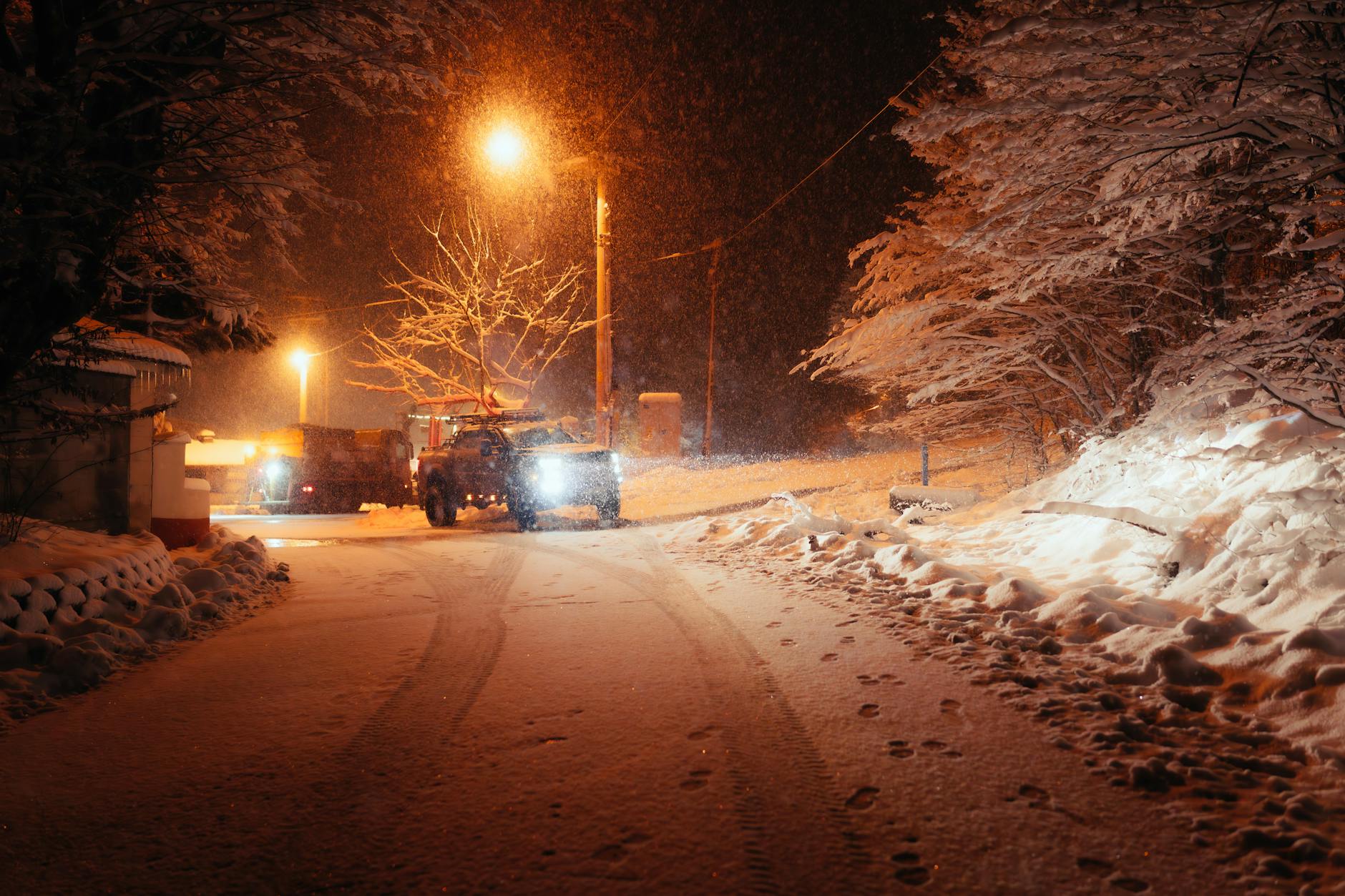 Photo: Pexels
What It Might Cost
Basic towing runs $150-250 for short distances on most toll roads. The base hookup fee alone is typically $75-125 before any mileage is added. Long bridges like the Bay Area spans or Chesapeake Bay Bridge charge $300-400 minimum because tow operators face restricted access, controlled traffic conditions, and longer setup times. Heavy vehicles or specialized equipment pushes costs to $500-800, and anything requiring a flatbed on a bridge or elevated highway can hit $1,000 or more.
Storage fees add $25-50 per day if your car goes to an impound facility. After 48 hours, many impound lots also charge an administrative fee on top of daily storage, so retrieving a car that sat over a long weekend can add $150-200 in fees before you even touch a tow bill.
Some toll authorities have contracts with specific tow companies offering flat rates, which can be cheaper than emergency roadside pricing. The Illinois Tollway, for example, runs a free or reduced-cost emergency patrol program for disabled vehicles. Check if the toll authority in your region has a similar service before assuming you will pay full market rate.
Your auto insurance may cover towing under comprehensive coverage or as a separate roadside assistance rider. Roadside assistance through AAA, insurance, or credit cards typically covers $100-200 of towing costs, though AAA Plus and Premier memberships extend covered towing distance to 100-200 miles, which matters a lot on a remote toll road far from your home mechanic.
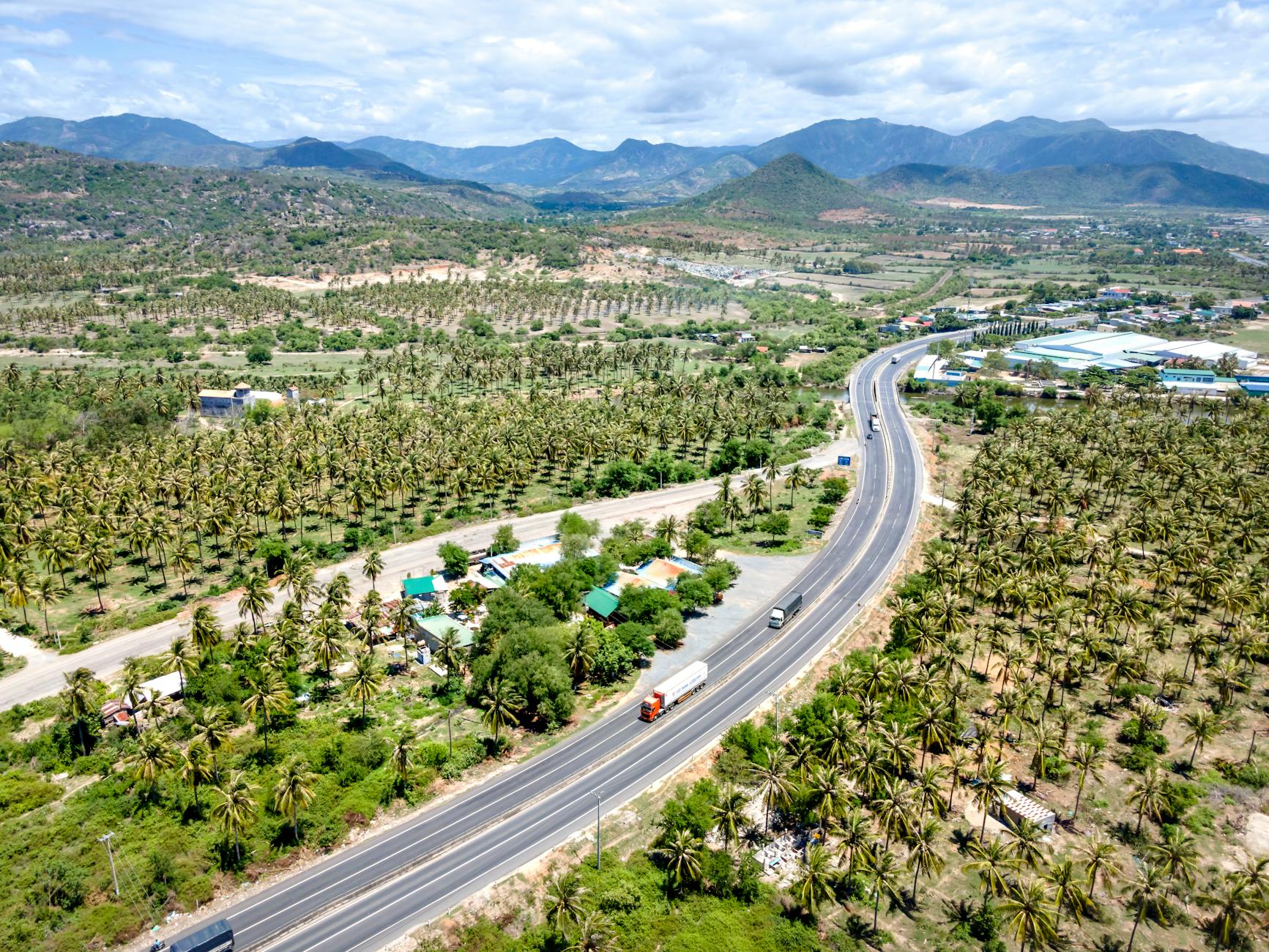 Photo: Pexels
Common Questions
Q: Can I refuse the tow truck the highway patrol calls and wait for my own provider? A: On most toll roads you cannot wait indefinitely for an outside provider. Highway patrol has authority to have your vehicle removed for traffic safety, and many toll road contracts require a disabled vehicle be cleared within 30-60 minutes. You can ask dispatch to call your preferred company if they are on the approved rotation list, but you rarely have the option to simply wait.
Q: Will my credit card roadside assistance actually pay for a toll road tow? A: Most credit card roadside programs reimburse you after the fact rather than paying the tow company directly, so you will need to pay upfront and submit receipts. Reimbursement limits are typically $50-100 per incident, which covers part but not all of what a toll road tow costs. Check your card’s specific benefit terms before counting on it as your primary coverage.
Q: What happens if I can’t afford to pay the tow company on the spot? A: Most tow companies on authorized toll road rotations accept credit cards. If you cannot pay at all, the company can legally hold your vehicle at their lot until the bill is settled, with daily storage fees continuing to accumulate. Contact your insurance company immediately in that situation because they can sometimes negotiate directly with the tow company or issue payment faster than you can arrange it yourself.
Stay Safe
- Never attempt repairs on active toll roads
- Don’t accept help from unauthorized towing services
- Keep emergency supplies in your car: water, phone charger, reflective triangles
- Know your exact location: mile markers, exit numbers, bridge names
- Have your insurance and registration easily accessible
Need roadside help? Visit Tow With The Flow for real answers when your car breaks down.