> **Quick Answer:** Get as far right as possible, turn on your hazards, and exit the vehicle from the passenger side if you can do it safely. Call 911 if you're in a live lane, or *67 + 511 to reach CDOT's traffic line. Denver's major highways, especially I-25 through downtown and I-70 near the Mousetrap, move fast. Distance from traffic is your first priority, not your car.
## What Do I Do in the First 60 Seconds After Breaking Down on a Denver Highway?
Get off the travel lane immediately. If the car still rolls, coast to the right shoulder, past the white fog line if possible, and aim for any gore point, exit ramp, or wide shoulder you can reach.
Once stopped:
- Hazard lights on before you do anything else.
- Stay in the car if you're on a high-speed stretch like I-25 between the Valley Highway and 58th Avenue, where trucks pass at 65+ mph just feet from the shoulder.
- If your car is in a live lane and you cannot move it, get out from the passenger side, move behind the guardrail, and call 911.
- If you're on a shoulder with clearance, stay belted inside until help arrives. A moving car is safer than standing next to one.
Set out road flares or reflective triangles if you have them. Most people don't, which is fine. Hazards alone work. Do not stand behind your vehicle.
## Which Denver Highways Are the Most Dangerous to Break Down On?
I-70 near the Mousetrap interchange at I-25 and the stretch through Glendale toward Aurora are high-risk. The shoulders narrow, traffic is dense, and trucks merge aggressively through that corridor. I-25 through downtown, especially between the 20th Street ramp and the I-70 split, has almost no emergency shoulder in places.
C-470 on the southwest side and US-36 between Boulder and the I-25 junction in Westminster are also fast-moving with infrequent patrol coverage. If you break down on I-70 west of the Exits 260s heading toward the foothills, cell signal can be spotty before you reach Genesee.
On US-6 through the cut between I-25 and Federal Boulevard, the road is narrow and curves. If you stop there, get behind the guardrail immediately.
## Who Do I Call to Get Towed Off a Denver Highway?
Call a tow company directly or call 911 and let dispatch coordinate. CDOT operates Highway Emergency Response Operators (HERO units) on major Denver metro interstates. These are free trucks that can push you to safety, change a tire, or give you a jump. They patrol I-25, I-70, I-225, and C-470 during peak hours. If a HERO unit is nearby, it may reach you faster than a private tow.
For a private tow, [expect a response time of 30 to 60 minutes on Denver highways](/tow-truck-response-time-denver-colorado/) depending on traffic and time of day. A local tow to a shop runs roughly $75 to $150 for the first few miles, with a per-mile rate after that. If your car needs a flatbed, which it likely does if the drivetrain is seized or a wheel is damaged, [flatbed rates in Denver typically run higher](/towing-cost-in-denver-colorado-flatbed-rate/) than a standard wheel-lift.
If you have AAA or your insurance includes roadside assistanc
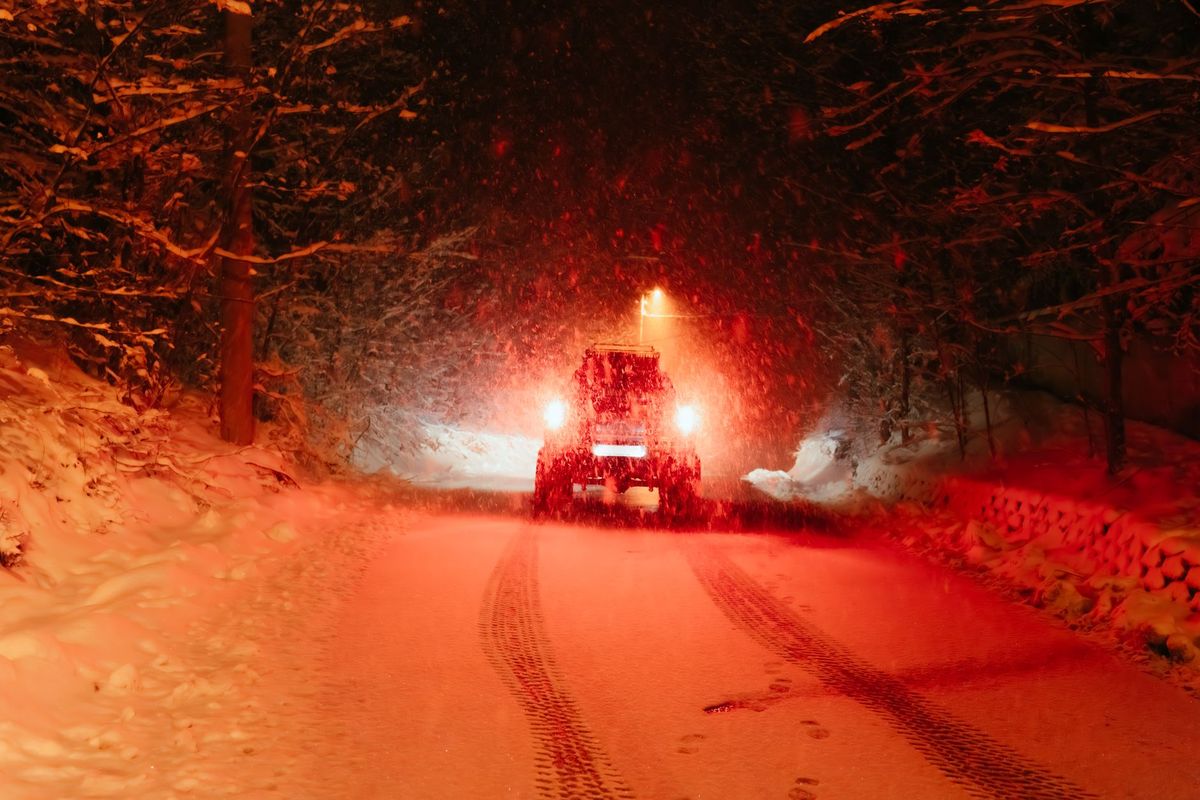
*Photo: Pexels*
e, call them first. They dispatch from their own network and the call is on record, which matters for reimbursement.
## Is It Safe to Wait Inside My Car on a Denver Highway Shoulder?
Yes, with the seatbelt on and hazards running. Staying inside the car is generally safer than standing outside on a busy shoulder. The exception: if your car is smoking, smells like fuel, or is partially in a travel lane. In those cases, get out and get distance.
If you break down at night, keep the interior light off. It kills your visibility of approaching traffic and signals to other drivers that someone is actively in the vehicle, which can cause rubbernecking. If you have a bright safety vest or even a light-colored jacket, put it on before you exit. For more detail on nighttime situations, [this breakdown on staying safe broken down on a highway at night](/how-to-stay-safe-broken-down-on-highway-at-night/) covers it thoroughly.
One real risk on Denver highways in summer: [engine overheating](/car-overheating-in-denver-summer-traffic-what-to-do/) in stop-and-go traffic on I-25 or I-70 is common when temps hit the 90s. If your temperature gauge is maxed and steam is coming from the hood, do not open the hood until the engine cools for at least 20 minutes. Coolant under pressure will burn you.
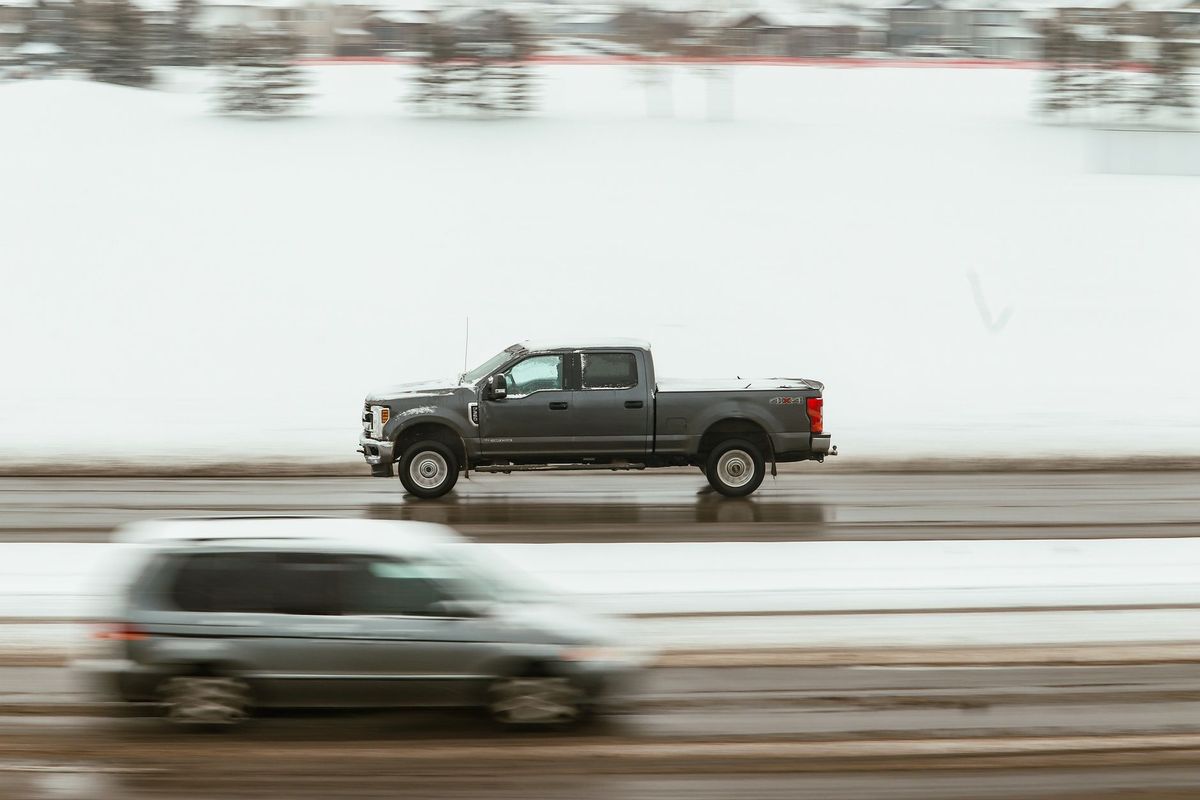
*Photo: Pexels*
## Common Questions
**Q: Will CDOT tow my car for free off the highway in Denver?**
A: HERO units can push you to a safe location or assist with minor issues at no cost, but they don't transport your vehicle to a shop. You'll still need a private tow company for that.
**Q: How long can I leave my car on the shoulder of I-25 or I-70 before police have it towed?**
A: Colorado State Patrol can tag an abandoned vehicle after as little as 24 hours on an interstate shoulder, and sometimes sooner if it's a hazard. Don't leave your car unattended and expect it to still be there the next day.
**Q: What if I broke down on I-70 heading into the mountains west of Denver and I have no signal?**
A: Keep driving slowly on the shoulder if the car will move at all to reach a spot with signal or an emergency call box. Call boxes are spaced on I-70 through the mountain corridor. If you're stopped, stay with the vehicle and wait for a CDOT or state patrol unit to pass.
**Q: Should I put my car in neutral and push it to an exit ramp?**
A: Only if the exit ramp is very close, the road is flat, and you have people to help push safely. Pushing on an active interstate shoulder is dangerous. If the car rolls freely and you can steer it, coasting to the next exit is better than stopping mid-highway, but don't push it on foot in traffic.
**Q: Does my insurance cover a tow from a Denver highway breakdown?**
A: Many policies include roadside assistance as an add-on. Check your declarations page or call your insurer's claims line before you call a private tow. If you're covered, that call also starts the reimbursement process automatically.
---
*Need roadside help? Visit [Tow With The Flow](https://towwiththeflow.com/car-broke-down-on-highway-in-denver-what-to-do/) for real answers when your car breaks down.*
Car Broke Down on Highway in Denver: What to Do Right Now
Photo: Pexels