> **Quick Answer:** Pull completely off the road, turn on your hazards, and get out of the car if it's overheating or smoking. In Las Vegas summer heat, the interior of a parked car can hit 160°F within minutes. Stay in the shade outside the vehicle, call for a tow or roadside assistance, and drink whatever water you have. Do not sit in a car with no A/C running in July or August.
## What Do I Do the Moment My Car Breaks Down in Las Vegas Heat?
Get off the road and get out of direct sun immediately. On I-15, US-95, or I-215, pull onto the right shoulder as far as possible, turn on your hazard lights, and exit the vehicle on the passenger side away from traffic. If you're near an exit ramp, try to coast to it. The Craig Road and Cheyenne Avenue exits off I-15 northbound both have gas stations within a few hundred feet of the off-ramp.
Once you're stopped, don't wait in the car unless it's still running with A/C blowing cold. On a 110°F Vegas afternoon, a car with the engine off becomes a heat trap in under five minutes. Get to shade: the underside of an overpass, a concrete barrier shadow, or even the shady side of your own car. Carry water with you when you exit.
Call for help before you do anything else under the hood. Dial 911 if you feel unwell, dizzy, or if you're on a high-speed freeway with no safe place to stand. For a breakdown without a medical emergency, call your roadside assistance provider or a tow company. Nevada Highway Patrol also patrols the major interstates and will stop to assist if you're standing outside your car with hazards on.
## Why Is the Las Vegas Heat So Dangerous When My Car Breaks Down?
Las Vegas sits in the Mojave Desert, and summer ambient temps regularly exceed 110°F on the asphalt. The black pavement on I-15 near Tropicana Avenue or the elevated stretch of US-95 near downtown can radiate even more heat than the air around it. That matters because your engine, your body, and your tires are all fighting this temperature at once.
If your engine overheated and caused the breakdown, do not open the radiator cap. Coolant under pressure at that temperature will spray and burn you. Pop the hood to help the engine vent heat, but stand back and wait at least 30 minutes before touching anything. If you see coolant pooling under the car or steam coming from the hood, the car is not driveable. You need a tow, not a jug of water poured into the radiator. Check the [signs of a failed fuel pump](/fuel-pump-failed-on-highway-signs-and-next-steps/) if the car simply died without warning, since fuel pump failures are common in extreme heat when the fuel in the tank runs low and the pump loses its cooling.
## How Do I Stay Safe While Waiting for a Tow in the Las Vegas Desert?
Stay out of the car, stay hydrated, and stay visible. If you have a safety triangle or road flares in your trunk, deploy them 50 to 100 feet behind your vehicle. On I-15 between the 215 interchange and the Primm valley stretch, traffic moves fast and drivers are not always looking for stopped vehicles on the shoulder.
If you're broken down on a surface street in the valley, like Sahara Avenue, Boulder Highway, or Flamingo Road near the airport corridor, you have more options. Convenience stores, casino properties, and gas stations are never more than a few blocks away. Walk to one if the tow wait is going to be long and you have no water. Do not attempt to walk along the interstate shoulder.
Tell the tow company your exact location. Use a highway marker post number if you can see one. On I-15, these green mile markers are spaced every mile. Give them the direction of travel (northbound or southbound) and the nearest major interchange. That cuts response time significantly. For what to expect on towing costs once help arrives, see the [Las Vegas towing cost breakdown](/towing-cost-in-las-vegas-nevada-after-breakdown/) for current ra
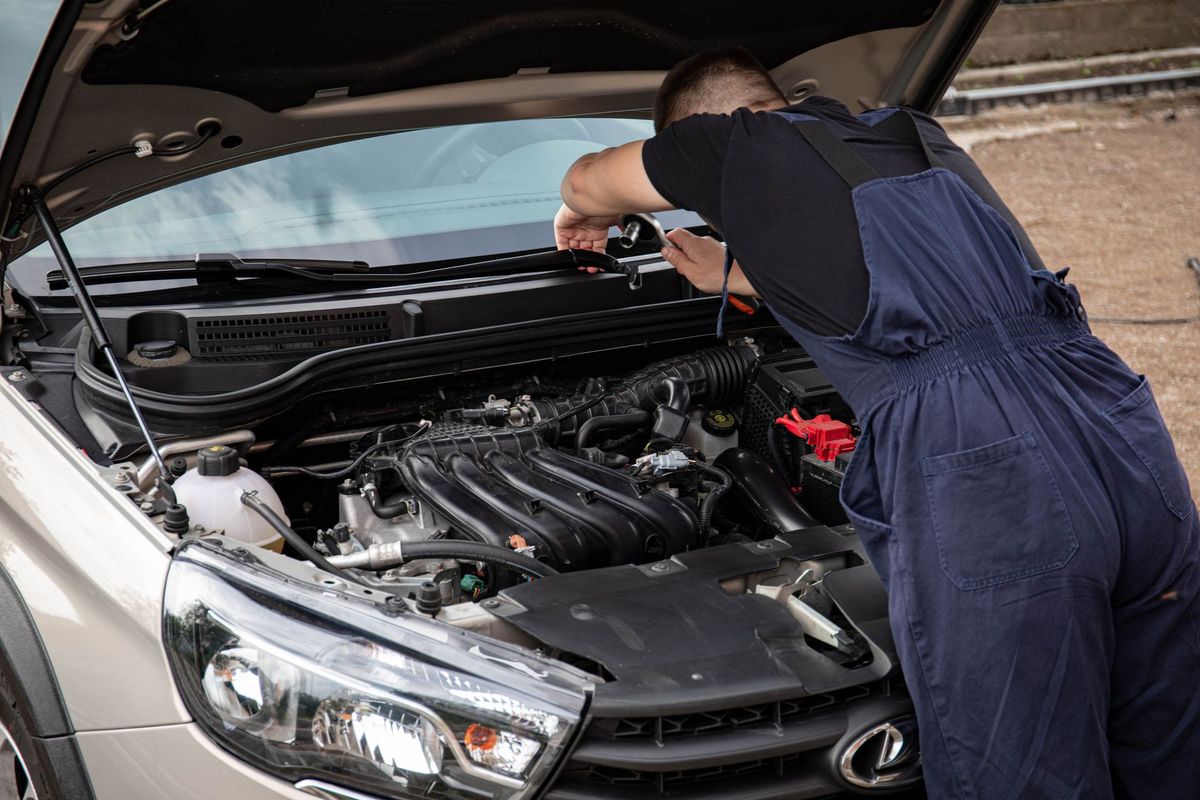
*Photo: Pexels*
tes.
## What If My Car Overheated and I Don't Know If It's Totaled?
Overheating does not automatically mean a ruined engine, but it can if you kept driving after the temperature gauge hit red. If you pulled over as soon as the gauge spiked, there's a real chance you caught it in time. Common damage from a full overheat includes a blown head gasket, warped cylinder head, or a cracked radiator. None of these are roadside fixes.
Once the engine cools completely (30 minutes minimum), check the coolant reservoir. If it's empty and there's no visible leak, you may have just run low on coolant. Refill with water if that's all you have, and drive carefully to the nearest shop. If the reservoir is full but the engine overheated anyway, you likely have a failed thermostat, a broken water pump, or a cracked head gasket. In that case, call a flatbed. [Car overheating on a highway with no exit nearby](/car-overheating-on-freeway-no-exit-nearby-what-to-do/) covers how to handle that specific situation if you're stuck mid-freeway.
If you're on the stretch of I-15 heading south toward Henderson or north past the Spaghetti Bowl interchange (where US-95 and I-15 split), get to the shoulder and call. That interchange is one of the highest-traffic points in Nevada and is not a place to be standing outside a car longer than necessary.
## How Much Will a Tow Cost Me Out Here?
A local tow within the Las Vegas valley typically runs $85 to $150 for the hook-up and first few miles, with additional mileage charged per mile after that. If you're broken down on the I-15 south of the city near Jean or Primm, that's a long-distance tow and the price goes up fast, often $300 or more depending on where you need the car delivered. Flatbed trucks are standard for most breakdowns, especially in heat when tires are already stressed. See the full [Las Vegas flatbed towing cost guide](/towing-cost-in-las-vegas-nevada-flatbed-summer-heat/) for current pricing by situation. If you're uninsured or your roadside coverage lapsed, check [tow truck costs in Las Vegas without insurance](/tow-truck-cost-las-vegas-nevada-no-insurance/) so you know what you're walking into before the truck arrives.
---
*Photo: Pexels*
## Common Questions
**Q: How long will a tow truck take to reach me on I-15 in Las Vegas?**
A: Most tow companies in the Las Vegas metro can reach you on I-15 within 30 to 60 minutes, depending on traffic and where you are. The Spaghetti Bowl area and the Strip corridor slow things down during peak hours. If it's over 108°F outside, tell the dispatcher you're on foot with no shade.
**Q: Can I call Nevada Highway Patrol if I break down on the freeway?**
A: Yes. NHP patrols I-15, US-95, and I-215 regularly and will stop to check on you. You can also reach them through 911. They can call a tow for you if needed, but you'll pay standard private tow rates.
**Q: Is it safe to sit inside my broken-down car in Las Vegas summer heat?**
A: Only if the engine is running and the A/C is blowing cold. A parked car with no A/C in 110°F heat can reach dangerous interior temperatures within minutes. Get outside in the shade until help arrives.
**Q: My car died on Boulder Highway near Henderson. What should I do?**
A: Pull into a parking lot or side street if you can coast to one, then call for a tow. Boulder Highway has plenty of commercial properties with shade and air conditioning nearby. Do not leave your car blocking a lane.
**Q: Will my regular car insurance cover a tow if I break down from overheating?**
A: Standard liability insurance does not. You need roadside assistance or comprehensive coverage with a towing add-on. Check your policy before you assume you're covered, and have a backup plan if you're not.
---
*Need roadside help? Visit [Tow With The Flow](https://towwiththeflow.com/car-broke-down-in-las-vegas-desert-heat-what-to-do/) for real answers when your car breaks down.*
Car Broke Down in Las Vegas Desert Heat: What to Do Right Now
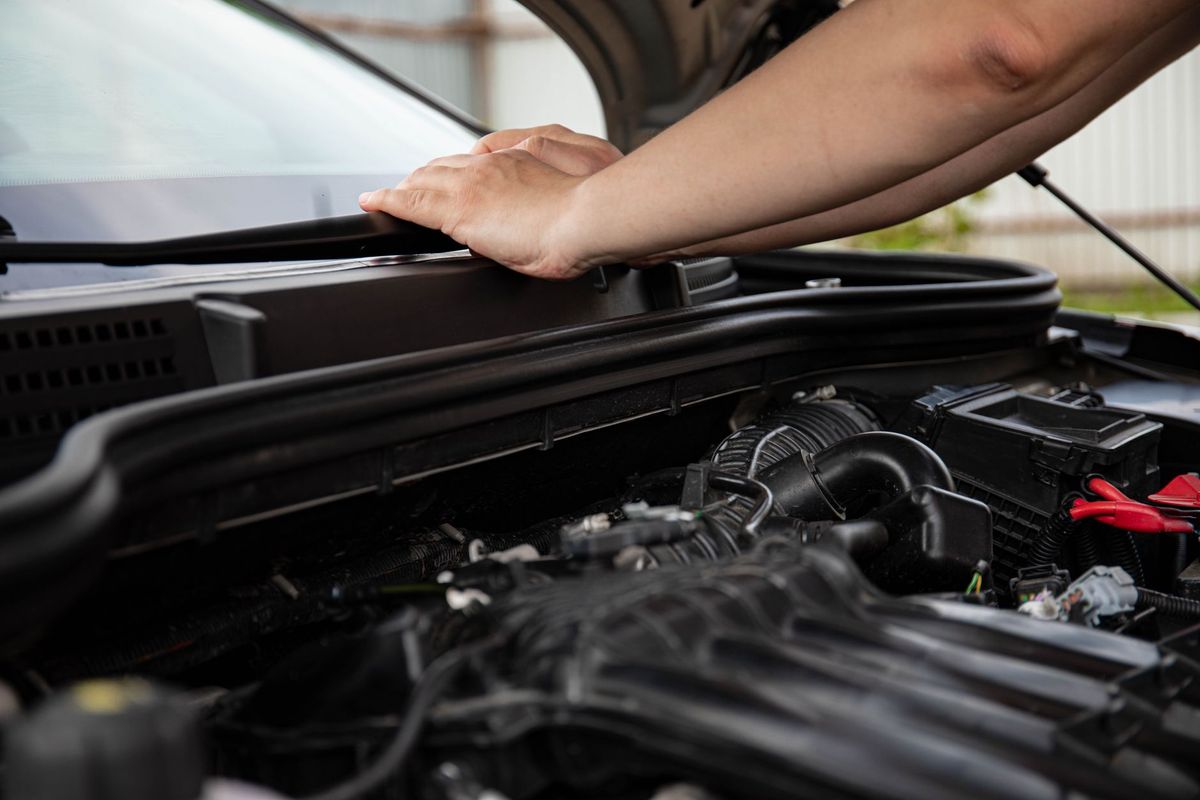
Photo: Pexels