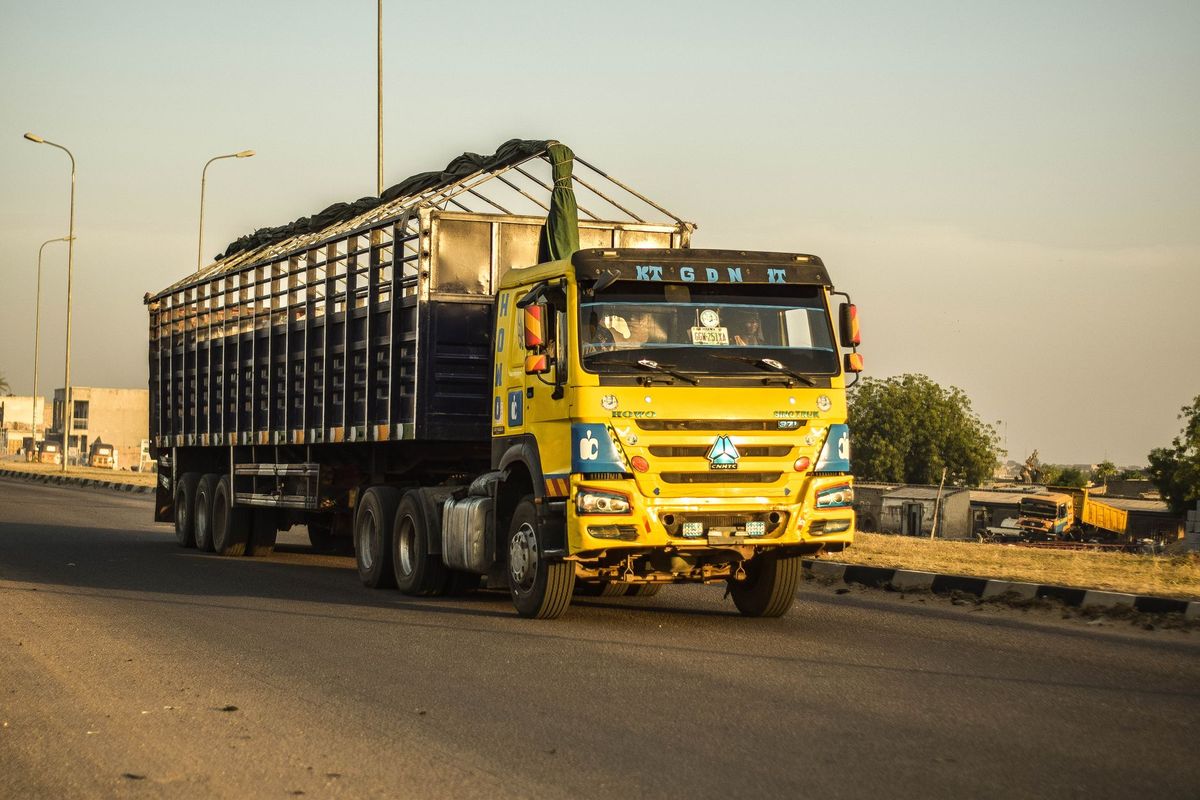
Quick Answer: Yes, a car with a broken axle can be towed, but request a flatbed. A broken axle often means a drive wheel is disconnected or wobbling, which makes a wheel-lift or dolly tow risky. Get the car onto the shoulder, turn on your hazards, exit the vehicle on the side away from traffic, and tell dispatch exactly what broke so they send the right truck.
Can a Car With a Broken Axle Be Towed?
Yes, but a flatbed is the safe way to do it. On a flatbed, the car rides on its own back and the axle never turns. With a wheel-lift tow, one end of the car sits on the road, so a damaged axle, hub, or CV joint can drag, bind, or let the wheel collapse inward mid-tow.
A broken axle on a front-wheel-drive car means the front end is the problem, so a wheel-lift would have to grab the rear. That sounds fine until you realize many drivers can’t tell which axle failed. Don’t gamble. Say “flatbed” when you call. If you’re unsure why that matters, here’s a fast checklist for when your car needs a flatbed.
How Do I Know If My Axle Actually Broke?
A broken axle usually announces itself with a loud clunk or bang, then the car loses power to one or both drive wheels. The engine revs, but the car barely moves or doesn’t move at all.
Other signs:
- A violent vibration or shudder that gets worse with speed
- A wheel that sits at an odd angle or looks tucked in or splayed out
- Grease flung around the inside of the wheel well (a torn CV boot or failed CV axle)
- Grinding or clicking when you turn before the failure
- The car pulling hard to one side
On a rear-wheel-drive truck or SUV, a snapped rear axle shaft can let the wheel slide out of the housing. That is a serious failure at highway speed, so treat any sudden loss of drive plus a wheel that looks wrong as an axle problem until a shop proves otherwise.
What Do I Do Right Now If My Axle Breaks on the Highway?
Get the car out of traffic lanes if it will still roll, and stay off the road. Steer to the right shoulder using whatever momentum you have. Don’t try to accelerate. Hit your hazards immediately.
- Coast to the shoulder. Brake gently. If the car won’t roll, steer toward the edge and let it stop.
- Hazards on, parking brake set, car in park. If it’s a manual, leave it in gear.
- Get out on the passenger side, away from traffic, and move well off the shoulder behind a guardrail if there is one.
- Call for a tow, and say these words: “Broken axle, I need a flatbed.” If you’re in a dangerous spot, like a blind curve or a narrow shoulder with no room, call 911 and tell them.
- Stay out of the car. Highway shoulders are where secondary crashes happen.
If you stopped in the median instead, read what to do when your car breaks down on an interstate median. Medians are a different kind of dangerous.
One actionable tip: take a photo of the wheel and the underside if you can do it safe
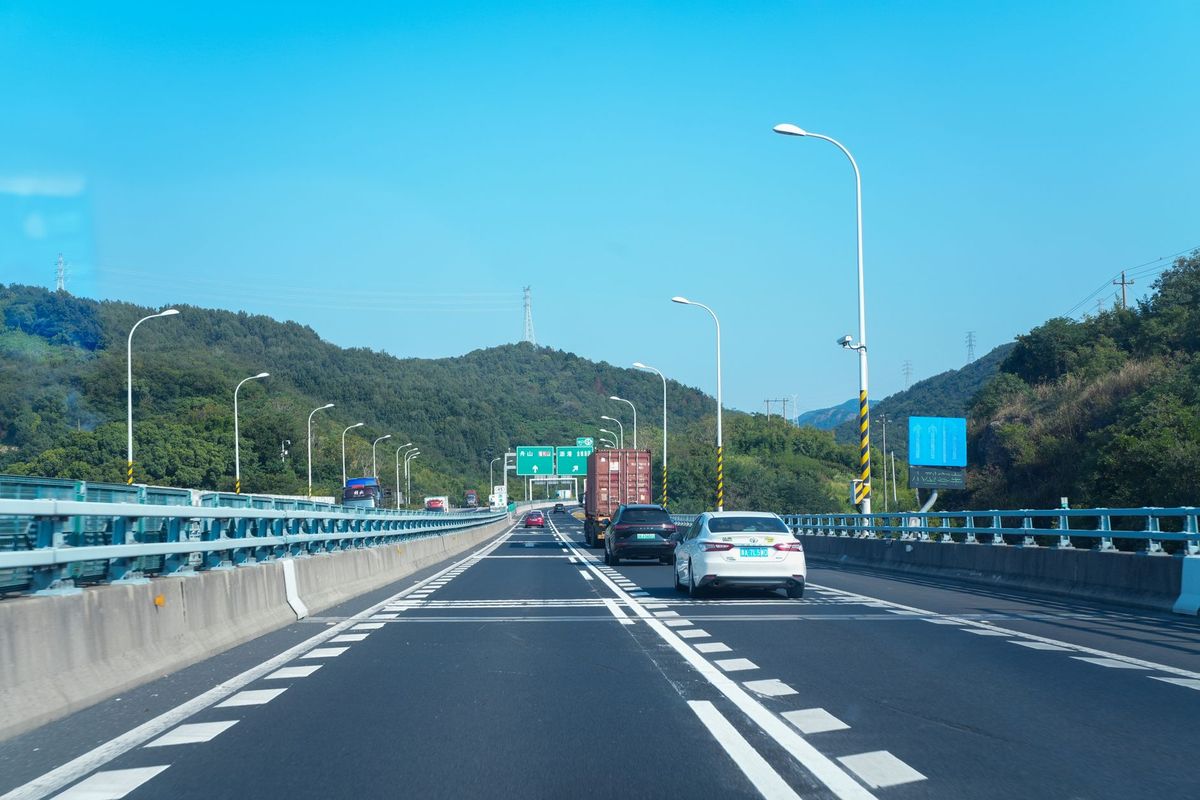 Photo: Pexels
ly. A shop and your insurer will want to see the failure, and tow drivers sometimes move the car before anyone documents it.
Can I Drive It a Short Distance to Get Off the Highway?
No. Even a quarter mile is a bad idea. A broken axle can let the wheel come off the hub or fold under the car, and you lose steering control or braking balance without warning. Rolling slowly onto the shoulder is fine. Driving to the next exit is not.
If the car is stuck in a live lane and you can’t move it, stay buckled in only if getting out is more dangerous than staying. Keep your hazards on, call 911, and let responders handle traffic. If you’re stuck wondering how long help will take, see how long it takes a tow truck to arrive on the highway.
How Much Will the Tow and Repair Cost?
A flatbed tow typically costs more than a standard hook-and-chain tow, and highway pickups can add fees. Rates vary a lot by city, so check your local price before agreeing. For a Denver reference point, see towing cost for a flatbed in Denver. Many roadside plans cover part or all of a tow, so call yours before you pay out of pocket.
On the repair side, a CV axle replacement on a common front-wheel-drive car is usually a modest repair at an independent shop. A snapped solid rear axle shaft, a damaged differential, or a destroyed wheel bearing and hub assembly costs more. The tow is the cheap part. The damage the broken axle caused on the way down is what drives the repair bill.
If the tow driver damages your car loading it, document it before you sign anything. Here’s what happens if a tow truck damages your car.
 Photo: Pexels
Common Questions
Q: Can I tow a car with a broken axle on a dolly? A: Usually no. A dolly lifts the drive wheels, but a broken axle can still bind or let the wheel shift. Flatbed is the safe call.
Q: Will my roadside assistance cover a broken axle tow? A: Most plans cover the tow regardless of the cause, up to a mileage limit. Check your plan’s flatbed policy and distance cap before the truck arrives.
Q: Is it safe to drive with a broken CV axle? A: Not for long. A clicking CV joint can be driven short distances in some cases, but a fully broken axle means no power to that wheel and a real chance of losing the wheel. Tow it.
Q: What does a broken axle sound like? A: A loud clunk or bang, followed by revving with little or no movement, or a grinding and vibrating that gets worse with speed.
Q: How long can a car sit on the highway shoulder with a broken axle? A: Don’t leave it longer than necessary, and never stay inside it. Shoulders are dangerous, and some states tow abandoned vehicles quickly. Call for a tow right away.
Need roadside help? Visit Tow With The Flow for real answers when your car breaks down.