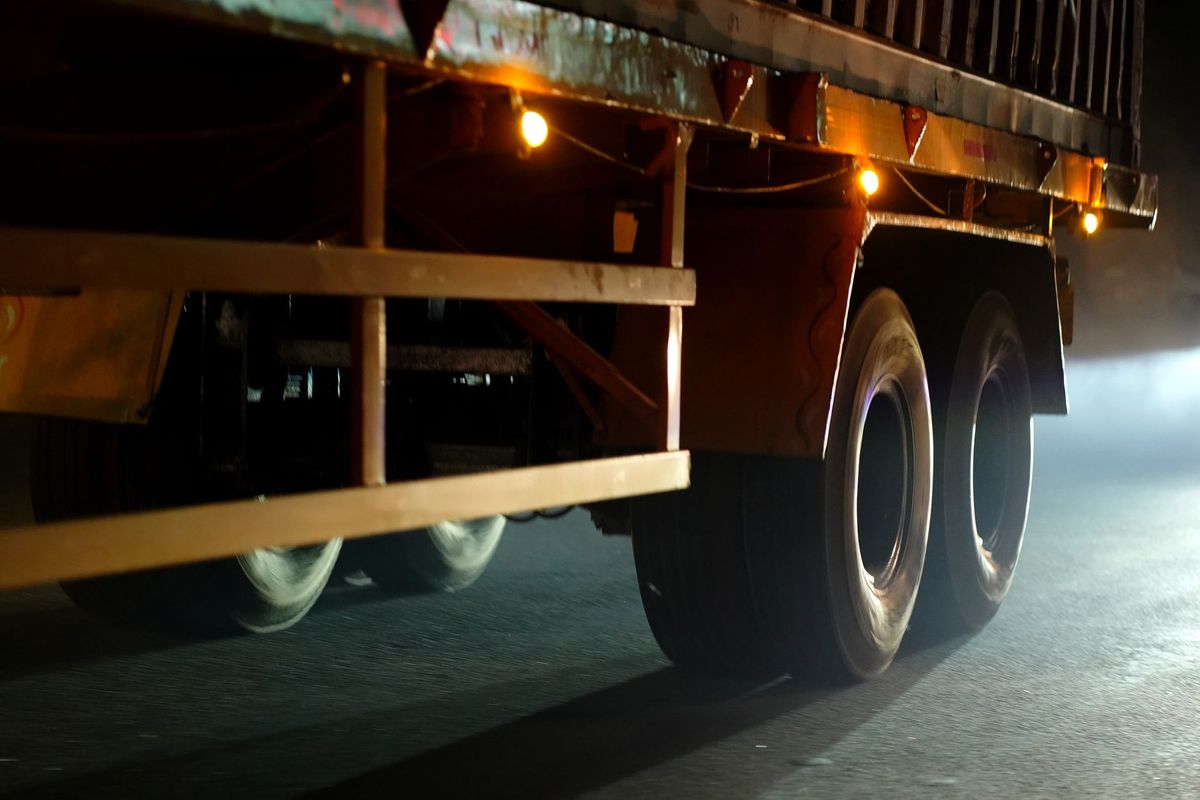
Getting rear-ended on I-10 near the Katy Freeway interchange or sideswiped on I-45 at the 610 South Loop is already a bad day. Add a tow bill to the confusion and it gets worse fast. Here is who pays, what it costs, and what to do right now so you do not get stuck with a charge that should have landed on someone else.
Quick Answer: After a freeway accident in Houston, towing typically runs $125 to $350 for a local haul, more if your car requires a flatbed or gets moved to a police-impound lot. If the other driver was at fault, their liability insurance covers your tow. Your own collision or roadside assistance coverage handles it if you were at fault or the other driver is uninsured. Do not sign anything or move your car until you know who is paying.
What Does Accident Towing Actually Cost on Houston Freeways?
A standard tow from a Houston freeway to a nearby shop runs $125 to $250 for the first few miles, with most local shops landing in the $150 to $200 range. If your car is on its roof, pinned under another vehicle, or sitting on I-69 near downtown where traffic is tight and setup is difficult, a winch-out or recovery can add another $100 to $300 on top of the base tow rate.
Flatbed towing, which is usually required for all-wheel drive vehicles and most modern cars with low ground clearance, costs a bit more. Budget $175 to $350 depending on distance and time of day. If TxDOT’s Traffic Incident Management (TIM) contractors respond first because the accident is blocking lanes, you may have little choice over which company hauls your vehicle. For a full look at flatbed pricing in the city, see how much a flatbed tow truck costs in Houston.
Storage fees start the moment your car sits in a tow yard. Houston lots typically charge $35 to $65 per day. If your car gets tagged as evidence or towed to an HPD-contracted impound facility, retrieve it as fast as you can.
Who Pays the Tow Bill When Someone Else Caused the Crash?
The at-fault driver’s liability insurance pays for your tow. That is the straightforward answer. Their bodily injury and property damage liability policy covers your vehicle costs, including the tow, storage fees, and repair or replacement.
In practice, here is how it plays out:
- Get the other driver’s insurance card and policy number at the scene. If they will not hand it over, the police report will have it.
- File a claim directly with their insurer as a third-party claimant.
- The insurance company will assign a claims adjuster who authorizes the tow and storage reimbursement.
The catch: their insurer may dispute fault, drag their feet, or cap towing reimbursement. If you are waiting more than a day or two for authorization, use your own collision coverage to get your car moved and let your insurer subrogate (recover the cost) from the at-fault driver’s insurance later. Does car insurance cover towing after an accident? breaks down exactly how that process works.
What If the Other Driver Has No Insurance?
Texas has a serious uninsured motorist problem, and Houston freeways see plenty of uninsured drivers. If the other driver cannot prove insurance, your options are:
- Uninsured Motorist Property Damage (UMPD): If you carry this coverage, it pays for your car and typically covers towing. Check your declarations page.
- Collision coverage: Covers your vehicle regardless of fault. Your insurer pays and then pursues the other driver.
- Roadside assistance add-on: If you have it t
 Photo: Pexels
hrough your insurer, AAA, or a credit card, it covers the tow but not the car damage itself.
Photo: Pexels
hrough your insurer, AAA, or a credit card, it covers the tow but not the car damage itself.
If you are carrying only liability coverage (the Texas state minimum), you are responsible for your own tow out of pocket. A local haul from the 59/610 interchange area to a shop in Greenway Plaza or Midtown will run you $150 to $225 cash.
For details on what you would pay if you have no comprehensive coverage, the Houston towing cost without insurance page has current numbers.
What Should I Do at the Scene Before the Tow Truck Arrives?
Get off the travel lanes if your car can move safely. On I-610 or I-10 during rush hour, a disabled car in the left lane creates a secondary accident risk within minutes. If the car cannot move, turn on hazards, get everyone behind the guardrail, and call 911.
Here is what to do before you authorize any tow:
- Photograph every vehicle position, every piece of debris, the other driver’s license, insurance card, and license plate.
- Get the officer’s name and badge number and ask when the crash report will be available online via TxDOT’s CR-3 lookup.
- Do not let the tow company take your car to an unknown yard. Tell them which shop you want it taken to. You have the right to choose.
- If a tow company shows up without being called, you are not required to use them. Predatory “chase” towing happens after Houston freeway accidents.
If you are not sure your car is safe to leave at the scene while you sort this out, read how long you can leave a broken down car on the highway before making that call.
 Photo: Pexels
Common Questions
Q: Does the at-fault driver’s insurance pay my tow truck bill directly or do I get reimbursed? A: Usually reimbursement. You pay the tow company, then submit the receipt to the at-fault driver’s insurer as part of your property damage claim. Some insurers will pay the tow yard directly if you call them while still at the scene.
Q: Can I be charged for a tow I did not authorize after a Houston freeway accident? A: Yes, if TxDOT or HPD called the tow because your car was blocking traffic. These are government-authorized tows and the bill is yours to deal with. You can submit it to the at-fault driver’s insurance for reimbursement, but you cannot refuse the tow after the fact.
Q: How much does storage cost if my car sits in a Houston impound yard after an accident? A: Most Houston impound and private tow yards charge $35 to $65 per day. After a week, you can easily owe more in storage than the tow itself. Get your car out or transferred to your preferred shop as fast as possible.
Q: Will my insurance rates go up if I file a tow claim after an accident that was not my fault? A: Filing a third-party claim against the other driver’s insurance does not affect your own rates. Using your own collision or UMPD coverage might trigger a rate review depending on your insurer, though many Texas insurers will not surcharge a not-at-fault claim.
Q: What if the tow company charges more than my insurance will reimburse? A: You can dispute the charge. Texas towing rates on accident scenes are not fully regulated, but you have the right to an itemized invoice and can challenge excessive or fraudulent fees with TxDMV’s Towing and Storage Division. Document everything and file a complaint if the bill looks inflated.
Need roadside help? Visit Tow With The Flow for real answers when your car breaks down.