Your alternator died while you were moving, and your car is running on borrowed time from the battery. You have minutes, not hours, to act before everything shuts off completely.
> **Quick Answer:** A dying alternator shows up as a battery warning light, dimming headlights, flickering dash, and electronics cutting out one by one. Once those signs appear, get off the road immediately. The battery is your only power source now and it will drain fast. Do not keep driving hoping to make it home. Call for a tow and cut every non-essential electrical load until help arrives.
## What Are the Signs My Alternator Died While I Was Driving?
The clearest sign is the battery warning light glowing red or yellow on your dash, combined with electronics starting to fail in sequence. That sequence is the key tell: your radio cuts out first, then the power windows slow down, then the headlights dim, then the engine stumbles and dies. That stepwise failure happens because the alternator is no longer recharging the battery, so voltage drops from roughly 14 volts down toward 11 or lower, and systems drop offline as power falls below their operating threshold.
Other signs: your heater blower runs at half speed, the instrument cluster flickers, or your power steering (electric-assist models) gets heavy. If you smell burning rubber or hot wiring near the belt area, the alternator may have seized and taken the serpentine belt with it. That's a different emergency on top of this one. Check the [serpentine belt snapped on highway](/serpentine-belt-snapped-on-highway-tow-or-wait/) article if you're also hearing a squeal or the belt warning light is on.
## How Long Do I Have Before the Car Completely Dies?
It depends on battery age, state of charge, and how many electrical loads are running. A healthy, fully charged battery with minimal load might keep the engine running for 20 to 30 minutes after the alternator fails. An older battery or one that was already partially discharged can leave you stranded in under 10 minutes.
Turn off everything you are not legally required to run: AC, radio, rear defroster, heated seats, interior lights. Keep your hazard lights on because you need them for safety, but everything else goes dark. If you are on a highway, signal and merge right now. Do not wait until you feel the engine missing.
## What Do I Do Right Now If My Alternator Dies on the Road?
Pull over safely and stop the engine. Every additional second you run a dead alternator drains the battery further, and a dead battery means a dead engine with no power steering and reduced brake assist. Get as far off the travel lane as possible: fully onto the shoulder, into a parking lot, or past the white line. Turn on your hazard lights. If it is dark, leave your hazard lights running even if they cost battery, because getting hit by another car is the bigger risk.
Once stopped, do not try to jump-start the car and drive it. A jump gets the engine running on battery alone with no alternator to sustain it. You will stall again in minutes, possibly at a worse location. This is a tow situation. The [battery warning light while driving](/battery-warning-light-on-while-driving-what-does-it-mean/) article explains what the warning light is actually telling you and when it becomes critical.
Call your roadside assistance provider. If you have AAA, USAA, State Farm, or GEICO coverage, this is exactly what it covers. If you are paying out of pocket, a local tow to a shop typically runs $75 to $150 for the first few miles, with most companies charging $3 to $
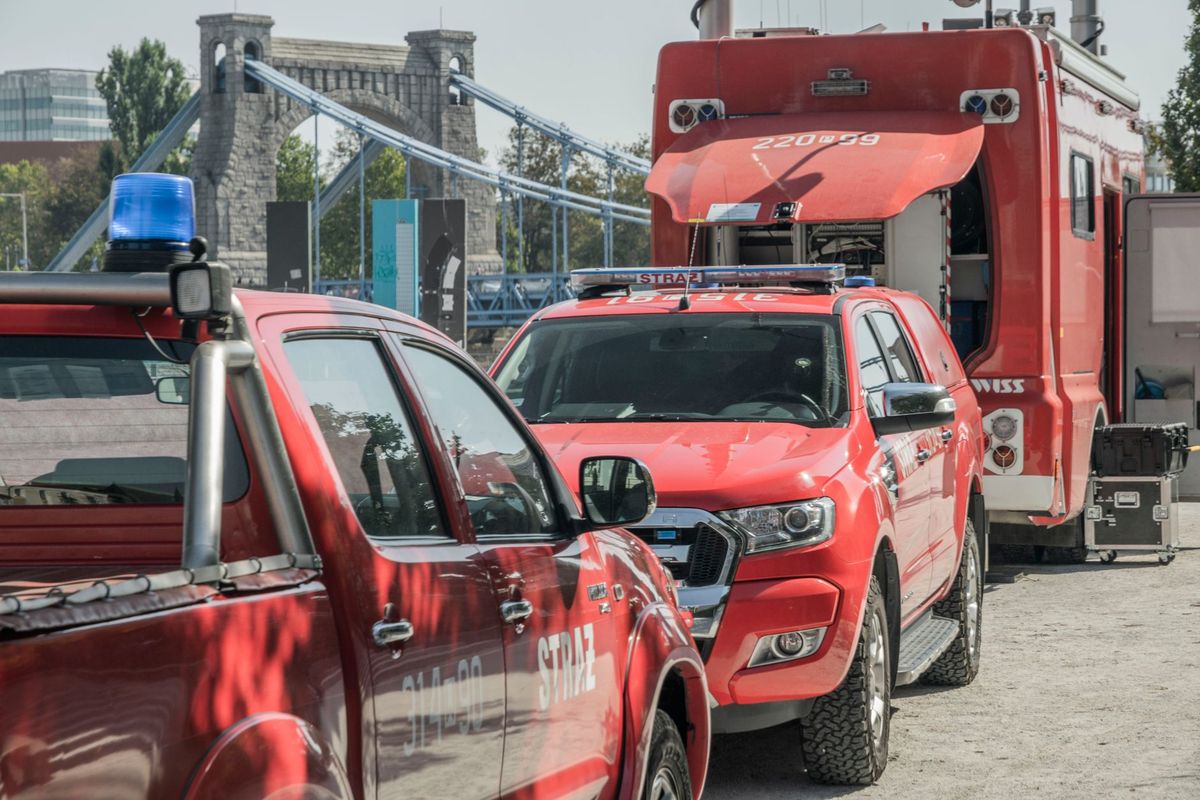
*Photo: Pexels*
5 per mile after that. Flatbed is preferred for all-wheel-drive and low-clearance vehicles.
## Is a Flatbed or Wheel-Lift Tow Better for an Alternator Failure?
Either type can move your car safely in most cases, but a flatbed is the cleaner choice. With a wheel-lift tow, the driven wheels roll on the road. On front-wheel-drive or rear-wheel-drive cars with no other damage, that's fine. On all-wheel-drive vehicles, you must use a flatbed because rolling any set of wheels while others are stationary can damage the drivetrain. If you are unsure what drivetrain your car has, ask for a flatbed. The cost difference is usually $20 to $40, and it protects you from adding a transmission repair on top of an alternator repair.
Tell the dispatcher the car has no electrical power and may not start at all. A good driver will come prepared to winch or push it onto the flatbed without needing the engine to run.
## Will My Insurance or Roadside Assistance Cover This Tow?
Most roadside assistance plans cover a tow for a mechanical breakdown, and a dead alternator qualifies. AAA covers a tow to the nearest qualified repair facility within your plan's mileage limit. USAA and State Farm roadside plans work similarly, though coverage limits and per-mile charges vary by plan tier. Check your card in your wallet or your insurance app right now, before you call a tow company directly, because using your plan is almost always cheaper than paying out of pocket.
If you need to pay out of pocket and want to understand what you're actually owed if another party was involved in the breakdown, the [tow truck cost after accident not my fault](/tow-truck-cost-after-accident-not-my-fault-who-pays/) article covers how reimbursement works in fault scenarios.
---

*Photo: Pexels*
## Common Questions
**Q: Can I jumpstart a car with a dead alternator and drive it to the shop?**
A: You can jumpstart it, but you cannot drive it to the shop safely. Without a working alternator, the battery drains within minutes of driving and the engine stalls, possibly in traffic. Get a tow instead.
**Q: How much does it cost to replace an alternator?**
A: Parts and labor typically run $400 to $800 at an independent shop, depending on the vehicle. Dealer pricing runs higher. Luxury and European vehicles often exceed $1,000 because the alternator is harder to access.
**Q: My battery light came on but the car is still running fine. Is the alternator actually dead?**
A: Not necessarily dead yet, but it is failing or the charging circuit has a problem. A shop can test output voltage in minutes. Do not ignore it. A partially working alternator can fail completely without warning, and you want to get it checked before you are stranded.
**Q: What causes an alternator to die suddenly while driving?**
A: The most common causes are a worn-out brush or diode pack inside the alternator, a failed voltage regulator, or a broken or slipping serpentine belt that stops spinning the alternator pulley. Heat and age are the primary culprits, but a loose belt tensioner can also cause it to fail while driving.
**Q: Will my car start again after the alternator dies?**
A: Only if the battery still has enough charge, and only briefly. After the alternator has stopped charging, every start attempt drains the battery further. If the car sat for more than an hour after failure, the battery may be too low to crank the engine at all.
---
*Need roadside help? Visit [Tow With The Flow](https://towwiththeflow.com/alternator-died-while-driving-signs-and-towing-options/) for real answers when your car breaks down.*
Alternator Died While Driving: Signs and Towing Options
Photo: Pexels