
Quick Answer: When AAA towing coverage runs out, you pay the remaining towing costs directly to the tow truck driver. AAA covers their limit, you pay the rest. No advance notice required. Expect $3-7 per mile beyond your coverage limit, plus any additional service fees.
What To Do When Your AAA Coverage Runs Out
Tell the tow truck driver upfront that you have AAA coverage with specific limits. Most drivers know exactly how this works.
Let AAA dispatch the tow truck even if you know it will exceed your limit. AAA rates are often better than calling a private company directly.
Confirm the overage amount before the tow begins. The driver should tell you exactly what you’ll owe beyond AAA’s coverage.
Pay the driver directly for costs exceeding your limit. Cash, card, or check. No billing through AAA.
Keep all receipts for insurance reimbursement if your auto policy covers additional towing costs.
A few things worth knowing before the truck arrives: AAA dispatchers will not automatically warn you that your destination is beyond your mileage limit. That is on you to calculate. Pull up your membership details in the AAA app or call the dispatch line and ask them to confirm exactly how many miles your plan covers and how many miles the intended destination is from your current location. Do that math before the driver hooks up your car, not after.
Also, if you are already at a shop or parking lot and calling AAA for a second tow to a different destination, your mileage counter for that tow resets from the new pickup point. Each service call is measured independently.
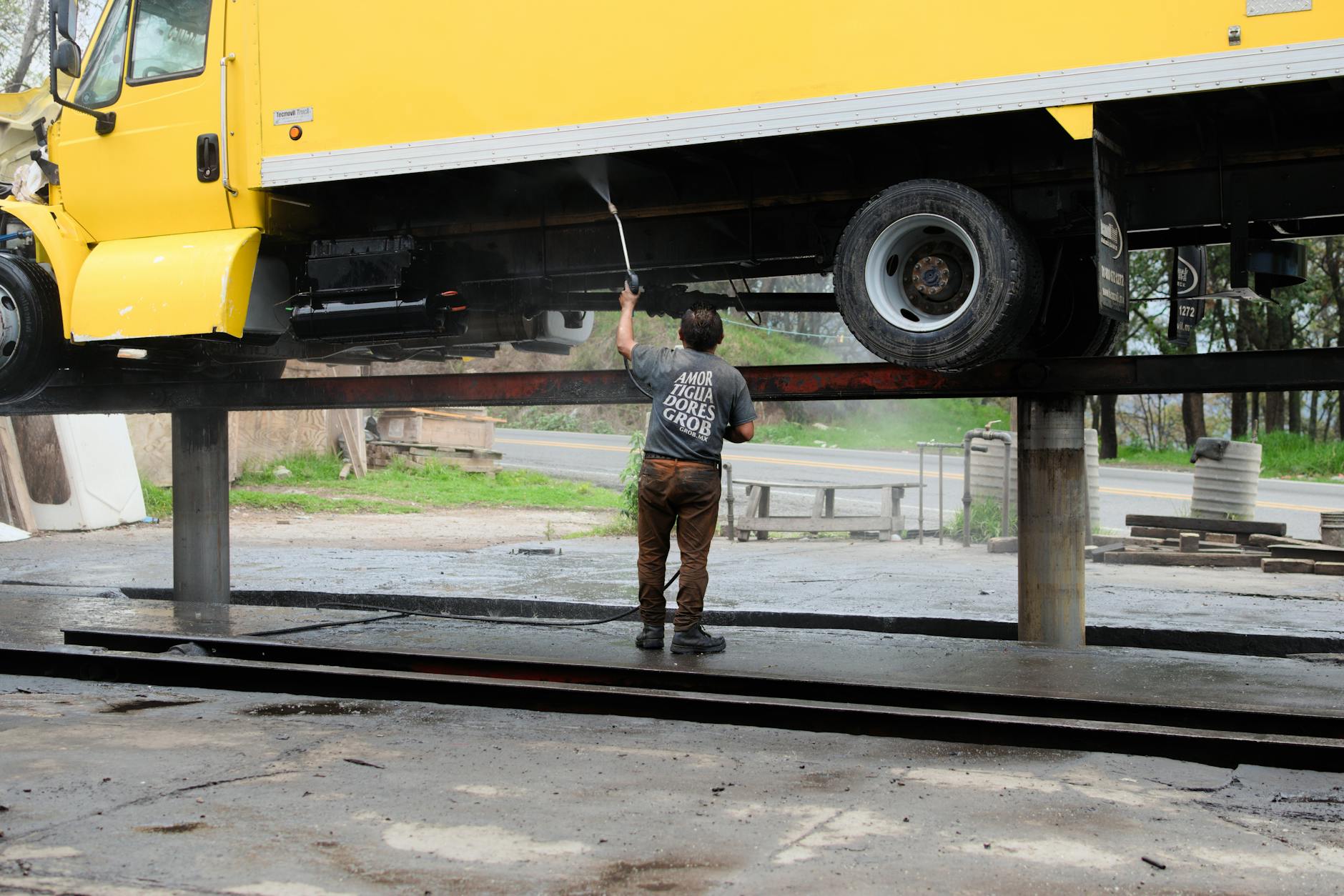 Photo: Pexels
Coverage Limits by AAA Membership Level
AAA Classic: 4 tows per year, $100 per tow (roughly 20 miles) AAA Plus: 4 tows per year, $100 per tow plus 3 additional tows up to 100 miles AAA Premier: 4 tows per year up to 200 miles each
When you exceed these limits, you’re responsible for the difference. If your Plus membership covers 100 miles but you need a 150-mile tow, you pay for the extra 50 miles.
One edge case that catches people off guard: the $100 Classic cap applies to the total service cost, not just mileage. If the hook-up fee alone runs $85 and the shop is only 10 miles away, you may hit your cap before the truck even moves. Hook-up fees in metro areas commonly run $75-125. In rural areas with fewer contractors and longer response distances, they can push $150. Ask the dispatcher or driver for a full cost breakdown before the tow starts.
If you have AAA Plus or Premier, the mileage limits are per incident, not cumulative. You could use a 90-mile tow in January and a full 100-mile tow in February with no problem, as long as you have service calls remaining.
What It Might Cost
Beyond AAA limits, expect these rates:
- Local towing: $3-7 per mile
- Hook-up fee: $75-150 (AAA usually covers this)
- After-hours surcharge: $50-100 additional
- Specialty equipment: Extra $100-300 for flatbed or heavy-duty trucks
A 20-mile overage typically costs $60-140 out of pocket. Compare this to AAA towing vs private tow truck costs to see why using AAA first still saves money even when you exceed limits.
To put real numbers to it: say you have AAA Classic, you break down 30 miles from home, and the private-rate mileage charge is $5 per mile. AAA covers roughly the first 20 miles under your $100 cap. You owe for 10 additional miles at $5 each, so $50 out of pocket. That same tow called through a private company with no AAA discount might run $150-200 total. You still came out ahead using AAA.
Your auto insurance might reimburse towing costs if you carry comprehensive coverage. Check with GEICO, Progressive, or your current insurer about additional towing reimbursement.
Annual Limits Reset
AAA towing limits reset on your membership anniversary date, not January 1st. If you’ve used all your tows in March, you wait until your renewal month for the counter to reset.
Some members upgrade mid-year when they anticipate needing longer tows. The upgrade takes effect immediately, giving you higher limits for future breakdowns.
If you are a frequent road tripper or drive an older vehicle with reliability concerns, upgrading to Plus or Premier before a long trip is worth the cost. The difference between Classic and Plus membership is typically $35-60 per year. One long tow easily justifies that gap.
Common Questions
Q: Can I negotiate the overage charge with the tow truck driver? A: In most cases, no. The driver is working off a contracted rate set between AAA and the towing company. You can ask, but the rate structure is usually fixed. Where you have more room is on destination choice, closer shops cost you less in overage miles.
Q: What if I don’t have cash or a card on me when the tow ends? A: The driver can hold your vehicle until payment is arranged. This happens more than people expect. Call a family member, use a payment app like Venmo or Zelle if the driver accepts it, or ask if the destination shop can front the overage and add it to your repair bill.
Q: Does AAA coverage apply to any car I’m driving or just my registered vehicle? A: AAA membership covers the member, not the specific vehicle. If you are the driver, you are covered in most situations regardless of whose car you are driving. Confirm this with AAA before you travel in a borrowed or rental vehicle, as policies can vary slightly by region.
 Photo: Pexels
Stay Safe
- Never refuse a needed tow because of cost concerns
- Confirm overage charges before the truck moves your car
- Ask the driver for a written estimate if the overage seems excessive
- Remember that roadside assistance vs calling a tow truck direct often favors using AAA first, even with overages
Need roadside help? Visit Tow With The Flow for real answers when your car breaks down.